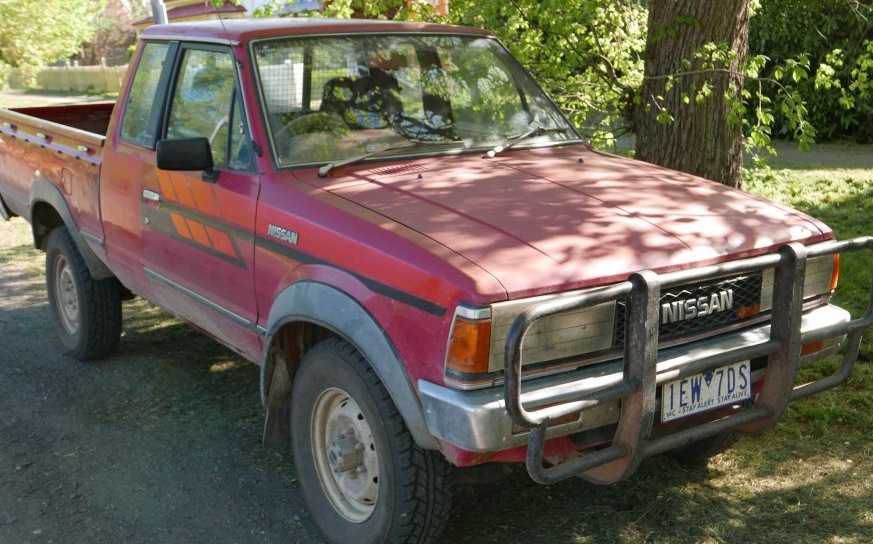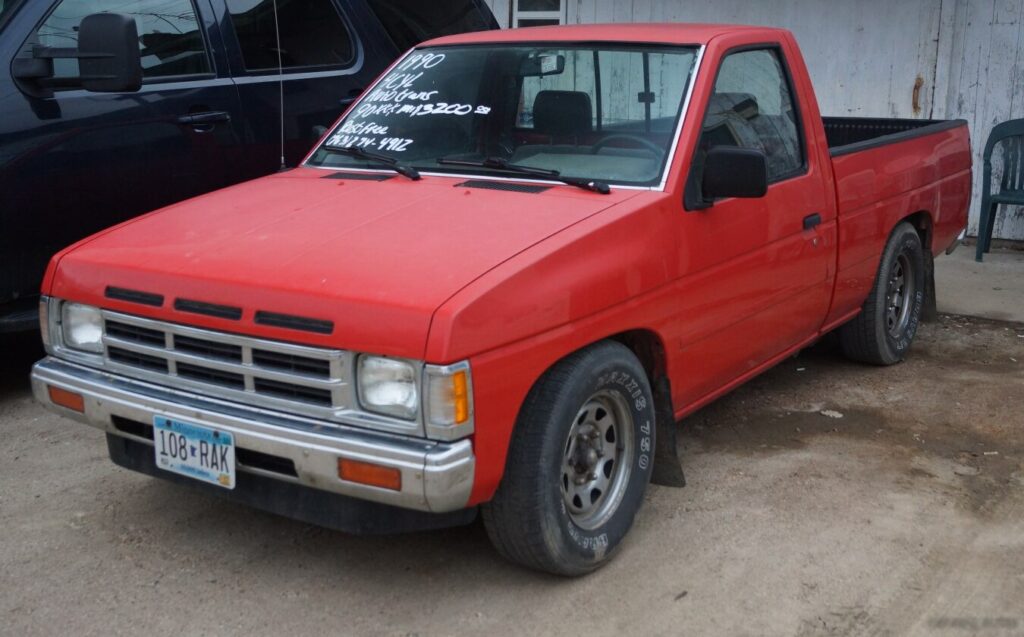
Technical Specifications
| Brand | Nissan |
| Model | Pick UP |
| Generation | Pick UP (D21) |
| Type (Engine) | 2.5 D (80 Hp) |
| Start of production | 1996 |
| End of production | 1998 |
| Powertrain Architecture | Internal Combustion engine |
| Body type | Pick-up |
| Fuel Type | Diesel |
| Power | 80 Hp |
| Engine aspiration | Naturally aspirated engine |
The Nissan Pickup (D21) 2.5 D, producing 80 horsepower, was a work-oriented variant of the popular D21 series, manufactured from 1996 to 1998. Positioned as the base engine option in many markets, particularly in North America and Latin America, it catered to buyers prioritizing affordability and durability over outright performance. The D21, sold as the Nissan Datsun Pickup in some early years, represented Nissan’s second-generation compact pickup truck, succeeding the D100. This generation was known for its robust build quality and relatively simple mechanical design, making it a popular choice for commercial use and as a dependable daily driver. The 2.5 D variant specifically targeted customers needing a no-frills, reliable truck for hauling and light-duty tasks.
Powertrain & Engine Architecture
The heart of the D21 2.5 D was the SD25 diesel engine, a 2.5-liter inline-four cylinder powerplant. This engine, while not known for its high output, was celebrated for its longevity and relatively simple construction. It featured a naturally aspirated configuration, meaning it relied solely on atmospheric pressure to draw air into the cylinders, rather than utilizing a turbocharger or supercharger. The SD25 employed indirect injection, utilizing pre-combustion chambers to improve combustion efficiency and reduce engine noise – a common characteristic of diesel engines of that era. The fuel injection system was mechanical, relying on an inline plunger pump to deliver fuel to the injectors. The engine utilized a single overhead camshaft (SOHC) valvetrain, operating two valves per cylinder. While specific transmission options varied by market, the 80 hp version was typically paired with either a five-speed manual transmission or a four-speed automatic. The automatic transmission, while providing ease of use, was geared towards maximizing fuel economy and providing sufficient torque for work applications, rather than sporty acceleration.
Driving Characteristics
The driving experience in the D21 2.5 D was decidedly utilitarian. With only 80 horsepower and a substantial vehicle weight, acceleration was modest. The focus was on providing adequate torque for hauling and towing, rather than quick starts. The four-speed automatic transmission, while convenient, contributed to a less engaging driving experience compared to the five-speed manual. Gear ratios were optimized for low-end grunt, allowing the truck to comfortably handle moderate loads. On the highway, the engine felt strained at higher speeds, and passing maneuvers required careful planning. Compared to the available gasoline engines in the D21 lineup (such as the 2.4-liter four-cylinder or the 3.0-liter V6), the 2.5 D offered significantly less power but superior fuel economy and a reputation for bulletproof reliability. The manual transmission version offered slightly improved responsiveness and fuel efficiency, but at the cost of driver convenience.
Equipment & Trim Levels
The 2.5 D variant of the D21 Pickup was typically offered in a base trim level, emphasizing functionality over luxury. Standard equipment generally included a basic vinyl or cloth interior, a simple dashboard layout, and manual windows and locks. Air conditioning was often an optional extra, as were power steering and a cassette stereo. The interior was designed for durability and ease of cleaning, reflecting the truck’s intended use as a work vehicle. Exterior features were equally spartan, with steel wheels, black plastic bumpers, and minimal chrome trim being the norm. Higher trim levels of the D21, equipped with the gasoline engines, offered features such as alloy wheels, upgraded interiors, and more comprehensive sound systems. The 2.5 D was intentionally kept basic to maintain its affordability.
Chassis & Braking
The D21 Pickup featured a body-on-frame construction, providing a robust and durable platform for hauling and off-road use. The front suspension consisted of independent double wishbones with coil springs, while the rear suspension utilized leaf springs. This configuration provided a comfortable ride for everyday use while maintaining a sufficient payload capacity. Braking systems varied depending on the market and specific configuration. Many 2.5 D models were equipped with front disc brakes and rear drum brakes. Power steering was often optional, and many base models featured manual steering. Stabilizer bars were typically absent on the base 2.5 D trim, contributing to a slightly more pronounced body roll during cornering. The chassis was designed to withstand the rigors of commercial use and provide a stable platform for carrying heavy loads.
Market Reception & Comparison
The D21 2.5 D received generally positive reviews for its reliability and affordability. Critics acknowledged its lack of power compared to other trims, but praised its fuel efficiency and durability. It was often viewed as a sensible choice for buyers who needed a dependable truck for work purposes and were not concerned with performance. Compared to the gasoline-powered D21 models, the 2.5 D offered significantly better fuel economy, making it an attractive option for those who drove long distances or frequently hauled heavy loads. However, the gasoline engines provided considerably more power and a more refined driving experience. In terms of reliability, the SD25 diesel engine was considered exceptionally robust, with many examples exceeding 200,000 miles with minimal maintenance. The automatic transmission, while reliable, was sometimes criticized for its sluggish performance.
Legacy
The Nissan D21 2.5 D has earned a reputation as a remarkably durable and dependable truck. Today, well-maintained examples are highly sought after by enthusiasts and those seeking a simple, reliable work vehicle. The SD25 diesel engine, while not particularly powerful by modern standards, is known for its longevity and relatively low maintenance costs. Parts availability remains reasonably good, although some components may be becoming increasingly difficult to find. The D21 2.5 D represents a bygone era of truck design, prioritizing simplicity, durability, and affordability over luxury and performance. Its enduring popularity in the used car market is a testament to its robust construction and reliable powertrain. It’s often seen as a viable alternative to more modern trucks for those who value dependability and ease of repair.