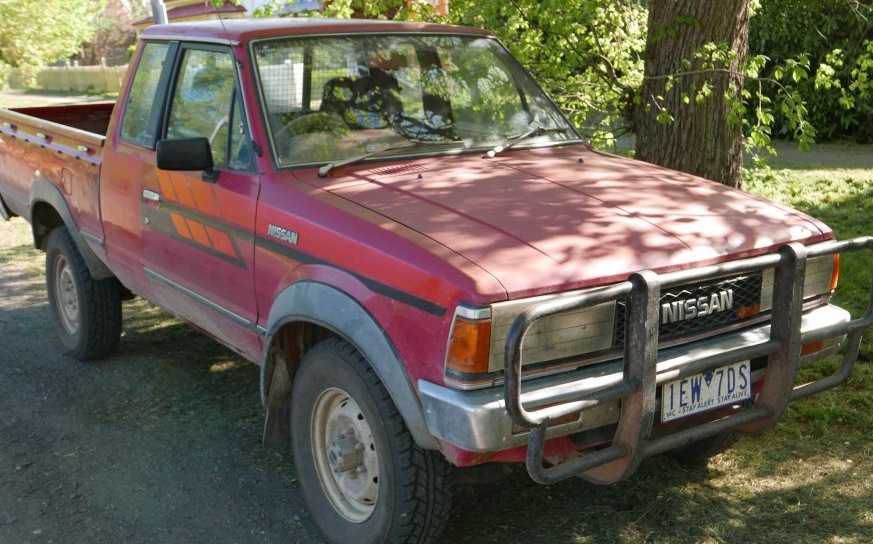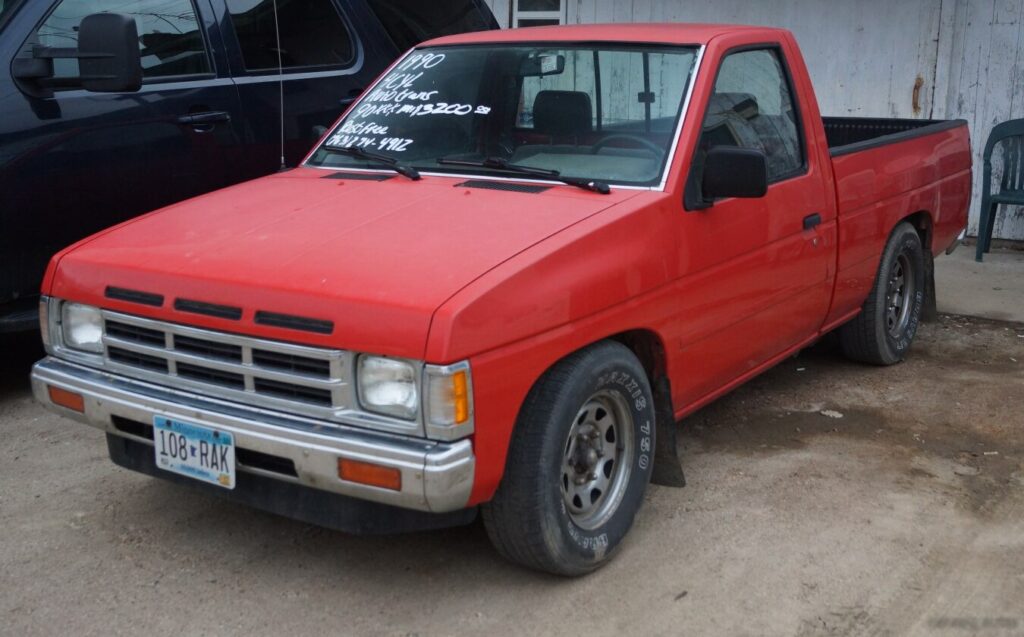
The Nissan D21, marketed as the Nissan Pickup in North America, represented a significant step forward for Nissan’s light-duty truck offerings. Produced from 1986 through 1997 (though some models continued in international markets for a few years longer), the D21 replaced the aging Datsun 720. The 2.5 D 4WD variant, powered by the TD25 engine and producing 80 horsepower, was a mainstay of the lineup from 1987 to 1996, specifically aimed at buyers needing a robust, affordable, and capable work truck. This configuration occupied the lower end of the D21 spectrum, prioritizing utility and durability over outright performance, and served as a popular choice for farmers, ranchers, and those requiring a dependable 4×4 for light to medium-duty tasks.
Technical Specifications
| Brand | Nissan |
| Model | Pick UP |
| Generation | Pick UP (D21) |
| Type (Engine) | 2.5 D (80 Hp) 4WD |
| Start of production | 1987 |
| End of production | 1996 |
| Powertrain Architecture | Internal Combustion engine |
| Body type | Pick-up |
| Fuel Type | Diesel |
| Power | 80 Hp |
| Engine layout | Front, Transverse |
| Engine Model/Code | TD25 |
| Engine configuration | Inline |
| Fuel injection system | Precombustion chamber injection |
| Engine aspiration | Naturally aspirated engine |
| Engine oil capacity | 6 l (6.34 US qt | 5.28 UK qt) |
| Coolant capacity | 9.6 l (10.14 US qt | 8.45 UK qt) |
| Drive wheel | All wheel drive (4×4) |
| Front suspension | Double wishbone |
| Rear suspension | Dependent, multi-link spring with telescopic shock absorbers |
| Front brakes | Disc |
| Rear brakes | Drum |
| Steering type | Worm-reduction unit |
| Power steering | Hydraulic Steering |
Powertrain & Engine Architecture
The heart of the D21 2.5 D was the TD25 inline four-cylinder diesel engine. This 2.5-liter (2488cc) engine utilized a precombustion chamber injection system, a common design for diesel engines of the era. This system involved injecting fuel into a small precombustion chamber connected to the main cylinder, where it ignited and then ignited the main fuel charge. This design aided in cold-weather starting and reduced engine noise compared to direct injection systems. The TD25 featured a cast iron block and head, contributing to its renowned durability. While 80 horsepower might seem modest by modern standards, the engine produced a respectable amount of torque for its displacement, peaking around 138 lb-ft. The engine was typically paired with a four-speed automatic transmission, although a five-speed manual was also available. The automatic transmission was chosen by many for its ease of use, particularly in demanding work applications. The transmission was not known for being particularly refined, but it was robust and reliable.
Driving Characteristics
The D21 2.5 D Automatic was not designed for speed. Acceleration was leisurely, and passing maneuvers required careful planning. The four-speed automatic transmission, while durable, had relatively wide gear ratios, which contributed to the engine feeling strained at higher speeds. However, the engine’s torque characteristics made it well-suited for hauling and towing. The 4WD system, engaged via a lever on the floor, provided excellent traction in off-road conditions and inclement weather. The suspension, while simple, was effective at absorbing bumps and providing a reasonably comfortable ride, even when the truck was loaded. Compared to the more powerful 3.0-liter V6 options available in the D21 lineup, the 2.5 D offered significantly less performance but superior fuel economy and a lower purchase price. The manual transmission versions of the 2.5 D offered slightly better performance and fuel economy, but the automatic was favored by those prioritizing convenience.
Equipment & Trim Levels
The 2.5 D 4WD typically represented the base trim level for the D21. Standard equipment was fairly spartan, reflecting its work-oriented focus. It generally included a basic vinyl interior, a simple dashboard with minimal instrumentation, and manual windows and locks. Air conditioning was often an optional extra, as were features like a cassette player and upgraded upholstery. The exterior trim was also basic, with black plastic bumpers and steel wheels being common. Higher trim levels, such as the SE and King Cab models, offered more luxurious features like cloth upholstery, power windows, and alloy wheels, but these were not typically paired with the 2.5 D engine.
Chassis & Braking
The D21 chassis was a traditional body-on-frame construction, providing a robust and durable platform. The front suspension utilized a double wishbone setup, while the rear suspension employed a dependent, multi-link spring system with telescopic shock absorbers. This configuration provided a good balance of ride comfort and load-carrying capacity. The braking system featured disc brakes on the front wheels and drum brakes on the rear. Power-assisted steering was standard, making the truck relatively easy to maneuver, even in tight spaces. The relatively simple braking system was adequate for the truck’s weight and performance, but it lacked the sophistication of more modern braking systems.
Market Reception & Comparison
The D21 2.5 D 4WD was well-received by buyers seeking a dependable and affordable work truck. Critics praised its durability and off-road capability, but noted its lack of refinement and modest performance. Compared to competing trucks from Ford, Chevrolet, and Toyota, the D21 offered a compelling value proposition, particularly for those on a budget. The 2.5 D engine offered better fuel economy than the larger V6 engines available in the D21 lineup, making it a popular choice for those who drove long distances or frequently used the truck for work. However, the 3.0-liter V6 offered significantly more power and a more refined driving experience, appealing to buyers who prioritized performance over fuel economy.
Legacy
The Nissan D21, and specifically the 2.5 D 4WD variant, has earned a reputation for exceptional reliability and longevity. Many examples are still on the road today, a testament to the quality of its construction and the durability of the TD25 engine. While parts availability can be a challenge, the relatively simple design of the truck makes it relatively easy to repair and maintain. In the used car market, well-maintained D21s command a premium, particularly among enthusiasts and those seeking a classic work truck. The TD25 engine, while not particularly powerful, is known for its ability to withstand years of hard use with minimal maintenance. The D21 2.5 D 4WD remains a popular choice for those seeking a rugged, reliable, and affordable pickup truck.