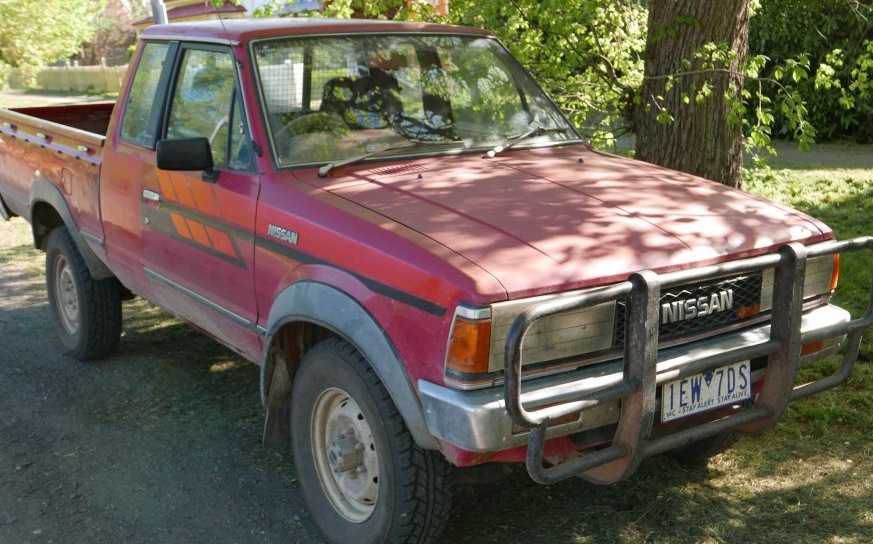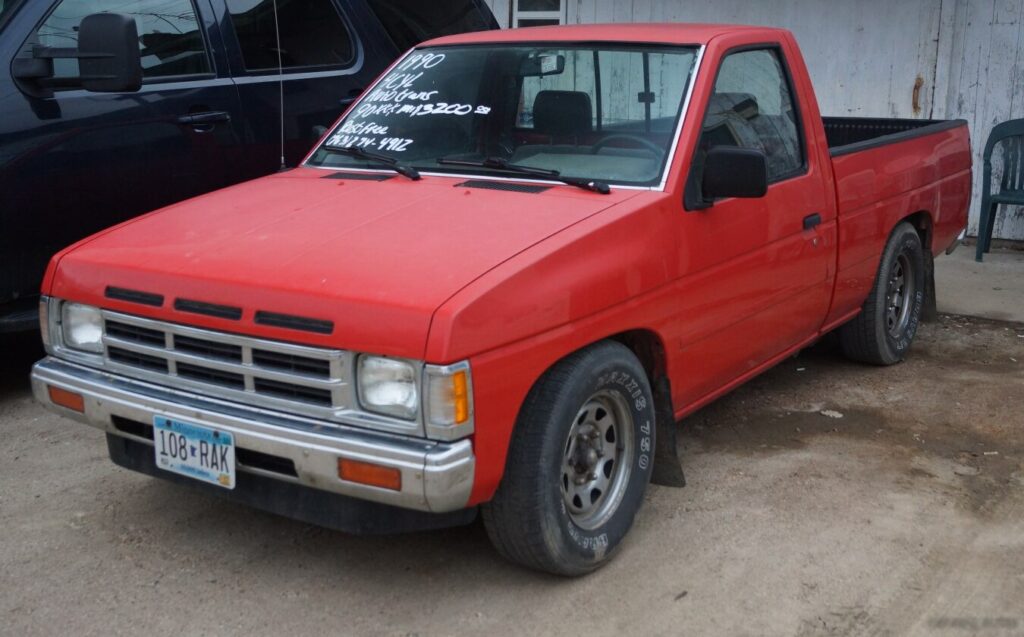
The Nissan D21, marketed as the Nissan Pickup in North America, represented a significant step forward for Nissan’s light-duty truck offerings. Produced from 1986 to 1997 (with some variations continuing into 1998 in certain markets), the D21 aimed to provide a robust and reliable work truck, competing directly with the Ford Ranger, Chevrolet S-10, and Toyota Pickup. The 3.0 i V6 4WD variant, introduced in 1990, occupied a mid-to-upper position within the D21 lineup, offering a substantial power upgrade over the base four-cylinder engines and providing enhanced capability for demanding tasks and off-road conditions. This configuration proved popular with buyers seeking a versatile truck capable of both daily driving and more strenuous work duties.
Technical Specifications
| Brand | Nissan |
| Model | Pick UP (D21) |
| Generation | Pick UP (D21) |
| Type (Engine) | 3.0 i V6 (148 Hp) 4WD |
| Start of production | 1990 |
| End of production | 1998 |
| Powertrain Architecture | Internal Combustion Engine |
| Body type | Pick-up |
| Fuel Type | Petrol (Gasoline) |
| Power | 148 Hp |
| Engine Aspiration | Naturally Aspirated |
Powertrain & Engine Architecture
The heart of the D21 3.0 i V6 4WD is the VG30E engine, a 3.0-liter, naturally aspirated V6. This engine, part of Nissan’s VG series, is known for its relative smoothness and durability. The VG30E features a 60-degree V-angle, three valves per cylinder (two intake, one exhaust), and a cast iron block with an aluminum cylinder head. Fuel delivery is managed by a multi-point fuel injection system, contributing to improved efficiency and reduced emissions compared to earlier carbureted engines. The engine produces 148 horsepower at 4,800 rpm and 188 lb-ft of torque at 3,600 rpm. The transmission paired with this engine is a four-speed automatic, designated as the A51S. This transmission is a conventional hydraulic automatic, known for its simplicity and reliability, though it lacks the sophistication of electronically controlled transmissions found in later vehicles. The 4WD system is a part-time system, engaged via a manual transfer case lever, allowing the driver to switch between 2WD, 4HI, and 4LO modes.
Driving Characteristics
The D21 3.0 i V6 4WD offers a noticeable performance improvement over the base four-cylinder models. The V6 provides ample power for everyday driving, hauling moderate loads, and tackling off-road terrain. While not a performance truck, the 148 horsepower and 188 lb-ft of torque provide a responsive driving experience. The four-speed automatic transmission, while reliable, isn’t particularly quick-shifting, and the gear ratios are geared more towards torque delivery than outright acceleration. This results in a comfortable cruising speed on the highway, but slower acceleration when passing or merging. Compared to the five-speed manual transmission available on other D21 models, the automatic sacrifices some responsiveness and fuel economy. However, it offers greater convenience, particularly in stop-and-go traffic. The 4WD system provides excellent traction in slippery conditions, making it a capable off-road vehicle, especially when utilizing the 4LO range for low-speed crawling.
Equipment & Trim Levels
The 3.0 i V6 4WD trim generally sat in the mid-range of the D21 lineup. Standard equipment typically included features like air conditioning, a tilt steering wheel, and a basic AM/FM radio. Interior upholstery was typically vinyl or a durable cloth material. Optional extras included power windows and locks, a cassette player, and upgraded sound systems. The dashboard layout is functional and straightforward, prioritizing practicality over aesthetics. Higher trim levels, such as the SE, offered additional features like alloy wheels, color-matched exterior trim, and upgraded interior appointments. However, the core focus of the D21 remained on providing a durable and capable work truck, so even the higher trims were relatively spartan compared to some of its competitors.
Chassis & Braking
The D21 utilizes a body-on-frame construction, providing a robust and durable platform. The front suspension consists of independent double wishbones with coil springs and stabilizer bar, while the rear suspension employs leaf springs. The leaf spring rear suspension is designed for load-carrying capacity, but can result in a somewhat firm ride when unladen. Braking duties are handled by disc brakes in the front and drum brakes in the rear. The braking system is adequate for the truck’s weight and performance, but lacks the stopping power of more modern braking systems. The 4WD models typically feature a heavier-duty suspension and braking system compared to the 2WD models to accommodate the added weight and stresses of off-road use. Stabilizer bar thickness varied depending on the specific trim level and year, with higher trims often receiving a thicker bar for improved handling.
Market Reception & Comparison
The D21 3.0 i V6 4WD was generally well-received by critics and buyers alike. It was praised for its reliability, durability, and capable powertrain. The V6 engine was a significant upgrade over the four-cylinder options, providing ample power for a wide range of tasks. Compared to the four-cylinder D21 models, the V6 offered a more refined driving experience and improved towing capacity. However, the automatic transmission was sometimes criticized for its lack of responsiveness. Compared to competitors like the Ford Ranger and Chevrolet S-10, the D21 was often seen as a more rugged and reliable option, though it lacked some of the creature comforts offered by its rivals. Fuel economy was reasonable for a truck of its size and capability, averaging around 16-18 mpg in mixed driving conditions. The 1.9 TDI versions of the VW Golf and Jetta, while smaller vehicles, offered superior fuel economy, but lacked the D21’s towing and hauling capacity.
Legacy
The Nissan D21, particularly the 3.0 i V6 4WD variant, has earned a reputation for long-term reliability and durability. Many examples are still on the road today, a testament to the quality of its construction. The VG30E engine is known for its ability to withstand high mileage with proper maintenance. In the used car market, D21s in good condition command a reasonable price, particularly those with the V6 engine and 4WD. They are often sought after by enthusiasts and those looking for a reliable and affordable work truck. While the D21 has been superseded by newer Nissan pickup models, it remains a popular and respected vehicle, remembered for its ruggedness, reliability, and capable performance. The simplicity of the powertrain makes it relatively easy to maintain and repair, further contributing to its enduring appeal.