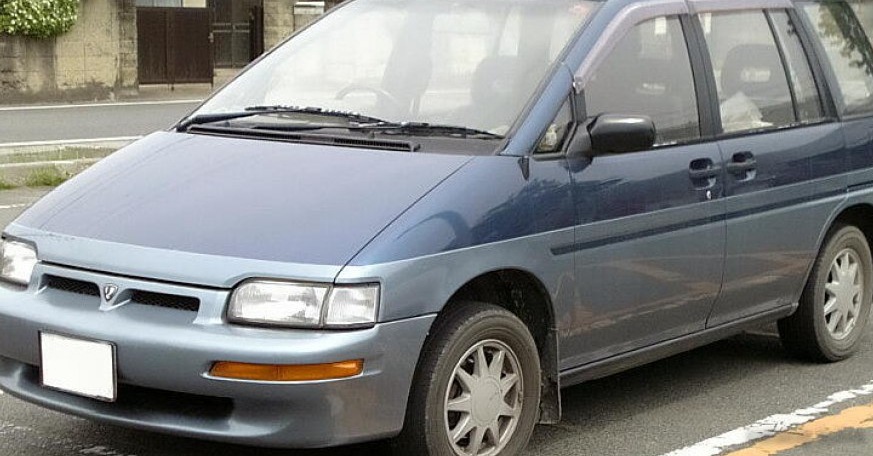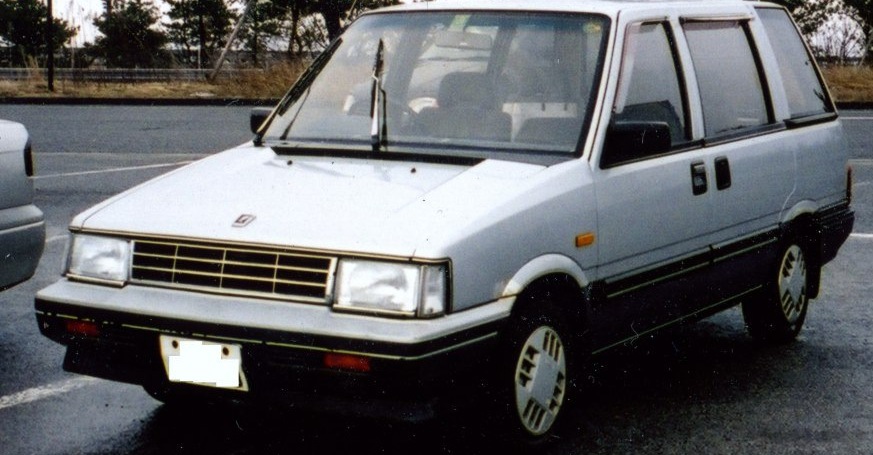
The Nissan Prairie M10, and its subsequent NM10 refresh, represented Nissan’s entry into the burgeoning compact minivan segment in the early to mid-1980s. Produced from 1984 to 1987, the Prairie was primarily aimed at the Japanese domestic market (JDM), offering a practical and relatively affordable family vehicle. The 1.5 S (M10) variant, powered by a 75 horsepower engine, served as the entry-level model, prioritizing fuel efficiency and affordability over outright performance. This model played a crucial role in establishing Nissan’s presence in the minivan market, paving the way for future, more sophisticated offerings. The Prairie distinguished itself with its unique styling, featuring a boxy silhouette and a distinctive rear window design.
Technical Specifications
| Brand | Nissan |
| Model | Prairie |
| Generation | Prairie (M10, NM10) |
| Type (Engine) | 1.5 S (M10) (75 Hp) |
| Start of Production | 1984 |
| End of Production | 1987 |
| Powertrain Architecture | Internal Combustion Engine |
| Body Type | Minivan |
| Fuel Type | Petrol (Gasoline) |
| Power | 75 Hp |
| Engine Aspiration | Naturally Aspirated |
Powertrain & Engine Architecture
The 1.5 S variant of the Nissan Prairie M10 was equipped with the H151E engine, a 1.5-liter inline-four cylinder gasoline engine. This engine, producing 75 horsepower, was a relatively simple design, prioritizing reliability and fuel economy. It featured a single overhead camshaft (SOHC) valvetrain operating two valves per cylinder. Fuel delivery was managed by a carburetor, a common feature for vehicles of this era, rather than fuel injection. The carburetor provided adequate fuel atomization for the engine’s modest power output. The engine block was constructed from cast iron, contributing to its durability, while the cylinder head was made of aluminum alloy to reduce weight. The transmission paired with the H151E engine was typically a three-speed automatic, designed for smooth and comfortable operation. This automatic transmission was not known for its sporty performance, but it suited the Prairie’s intended role as a practical family vehicle. The engine code H151E is crucial for identifying parts and service information for this specific powertrain.
Driving Characteristics
The driving experience in the 1.5 S Prairie was characterized by its relaxed and unhurried nature. With only 75 horsepower on tap, acceleration was modest, particularly when fully loaded with passengers and cargo. The three-speed automatic transmission further contributed to this relaxed feel, prioritizing fuel efficiency over quick shifts. The gear ratios were optimized for low-end torque, making it reasonably capable in urban driving conditions. However, overtaking maneuvers on highways required careful planning. Compared to potential higher-spec versions of the Prairie (which were not widely available outside of Japan), the 1.5 S lacked the punch needed for more spirited driving. The suspension, tuned for comfort, absorbed bumps and irregularities in the road reasonably well, providing a comfortable ride for passengers. Steering was light and easy, making it maneuverable in tight spaces. Overall, the driving characteristics of the 1.5 S Prairie were geared towards practicality and ease of use, rather than performance.
Equipment & Trim Levels
As the entry-level model, the 1.5 S Prairie was equipped with a relatively basic set of features. Standard equipment typically included cloth upholstery, a simple dashboard layout with analog gauges, and manual windows and door locks. Air conditioning was often an optional extra, as were features like a radio and upgraded interior trim. The interior design was functional and durable, prioritizing practicality over luxury. The seats were designed for comfort during long journeys, and the interior offered ample space for passengers and cargo. The dashboard layout was straightforward and easy to use, with clearly labeled controls. While not lavishly equipped, the 1.5 S Prairie provided the essential features needed for comfortable family transportation. Optional extras could enhance the driving experience, but the base model focused on providing a reliable and affordable vehicle.
Chassis & Braking
The Nissan Prairie M10 utilized a body-on-frame construction, a common practice for vans and trucks of the era. This construction method provided a robust and durable chassis. The suspension consisted of independent front suspension with MacPherson struts and a solid rear axle with leaf springs. This setup prioritized ride comfort and load-carrying capacity. The braking system featured drum brakes on all four wheels, which were adequate for the vehicle’s weight and performance. Power steering was not standard on the 1.5 S model, requiring more effort at low speeds. The tires were typically narrow, prioritizing fuel efficiency over grip. The chassis and braking system were designed to provide safe and reliable operation under normal driving conditions. While not particularly sophisticated, the components were durable and relatively easy to maintain.
Market Reception & Comparison
The Nissan Prairie 1.5 S was generally well-received in the Japanese market as an affordable and practical family vehicle. Critics praised its spacious interior, comfortable ride, and fuel efficiency. However, the engine’s modest power output was a common criticism. Compared to other minivans available at the time, such as the Toyota Van or the Mitsubishi Space Wagon, the Prairie offered a more compact size and a more affordable price point. The 1.5 S variant was positioned as the entry-level model, appealing to budget-conscious buyers. Higher-spec Prairie models, equipped with larger engines and more features, offered improved performance and comfort but came at a higher cost. The Prairie’s fuel economy was competitive with other vehicles in its class, making it an attractive option for families looking to minimize their transportation costs. Reliability was generally good, although maintenance was essential to ensure long-term durability.
Legacy
The Nissan Prairie M10, particularly the 1.5 S variant, holds a nostalgic place in the hearts of many Japanese car enthusiasts. While not a high-performance vehicle, it represented a practical and affordable solution for families in the 1980s. The H151E engine, while simple in design, proved to be relatively reliable when properly maintained. Today, finding a well-preserved Prairie 1.5 S can be challenging, as many have been retired or modified. However, those that remain are often sought after by collectors and enthusiasts. The Prairie’s legacy lies in its contribution to the development of the compact minivan segment and its role in establishing Nissan as a major player in the family vehicle market. Its simple design and durable construction have ensured that some examples continue to provide reliable transportation even today, a testament to the engineering principles of the era.