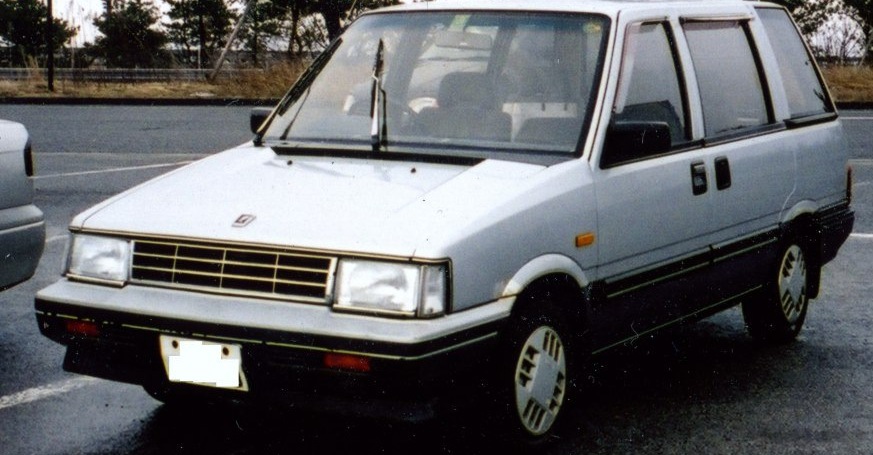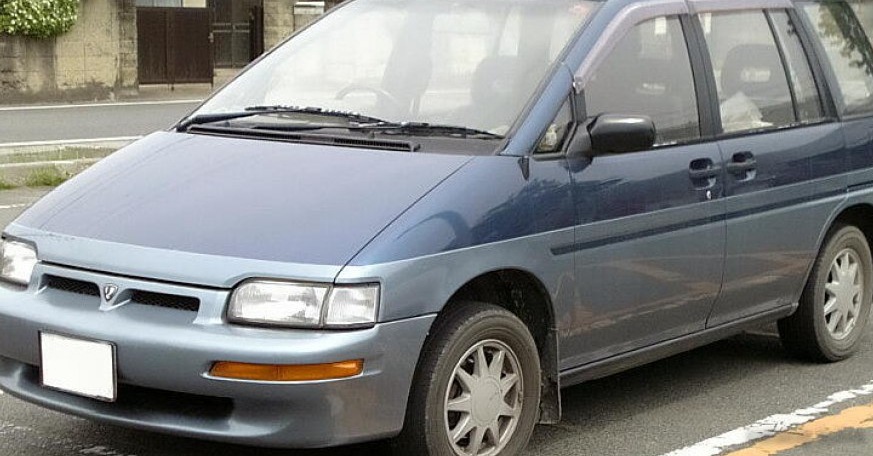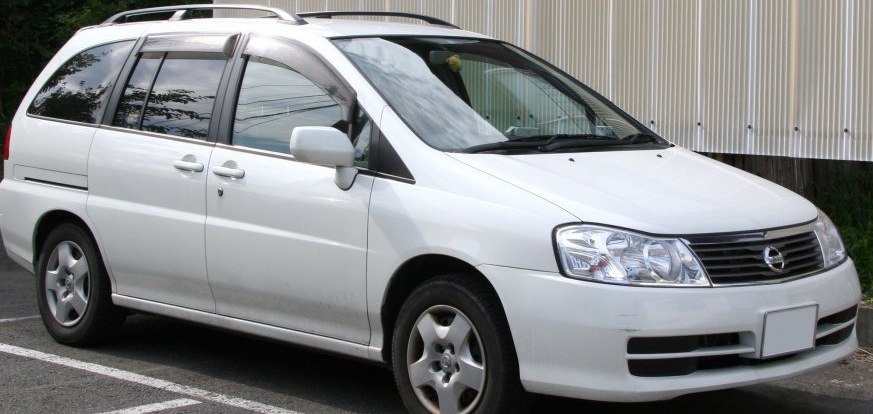
The Nissan Prairie (M12), produced between 1998 and 2004, represented Nissan’s second-generation entry into the compact minivan segment, primarily aimed at the Japanese domestic market (JDM) and select export markets. This generation, designated M12, offered a more rounded and modern design compared to its predecessor. The 2.0 i 16V variant, producing 140 horsepower, occupied a mid-range position within the M12 lineup, offering a balance between performance and fuel efficiency. It was positioned above the base 1.6L models and below the more powerful 2.4L options, catering to families seeking a practical and reasonably equipped vehicle.
Technical Specifications
| Brand | Nissan |
| Model | Prairie |
| Generation | Prairie (M12) |
| Type (Engine) | 2.0 i 16V (140 Hp) |
| Start of production | 1998 |
| End of production | 2004 |
| Powertrain Architecture | Internal Combustion engine |
| Body type | Minivan |
| Seats | 5 |
| Doors | 4 |
| Fuel consumption (urban) | 14 l/100 km (16.8 US mpg, 20.2 UK mpg, 7.1 km/l) |
| Fuel consumption (extra urban) | 8 l/100 km (29.4 US mpg, 35.3 UK mpg, 12.5 km/l) |
| Fuel Type | Petrol (Gasoline) |
| Maximum speed | 160 km/h (99.42 mph) |
| Weight-to-power ratio | 10.6 kg/Hp, 94 Hp/tonne |
| Weight-to-torque ratio | 8.2 kg/Nm, 121.5 Nm/tonne |
| Power | 140 Hp @ 5800 rpm |
| Power per litre | 70.1 Hp/l |
| Torque | 181 Nm @ 4800 rpm (133.5 lb.-ft. @ 4800 rpm) |
| Engine layout | Front, Transverse |
| Engine displacement | 1998 cm3 (121.93 cu. in.) |
| Number of cylinders | 4 |
| Engine configuration | Inline |
| Cylinder Bore | 86 mm (3.39 in.) |
| Piston Stroke | 86 mm (3.39 in.) |
| Compression ratio | 10:1 |
| Number of valves per cylinder | 4 |
| Fuel injection system | Multi-port manifold injection |
| Engine aspiration | Naturally aspirated engine |
| Valvetrain | DOHC |
| Kerb Weight | 1490 kg (3284.89 lbs.) |
| Fuel tank capacity | 60 l (15.85 US gal | 13.2 UK gal) |
| Length | 4545 mm (178.94 in.) |
| Width | 1690 mm (66.54 in.) |
| Height | 1630 mm (64.17 in.) |
| Wheelbase | 2690 mm (105.91 in.) |
| Front track | 1470 mm (57.87 in.) |
| Rear track | 1470 mm (57.87 in.) |
| Drivetrain Architecture | The Internal combustion engine (ICE) drives the front wheels of the vehicle. |
| Drive wheel | Front wheel drive |
| Number of gears and type of gearbox | 4 gears, automatic transmission |
| Front suspension | Coil spring |
| Rear suspension | Coil spring |
| Front brakes | Ventilated discs |
| Rear brakes | Drum |
| Assisting systems | ABS (Anti-lock braking system) |
| Steering type | Steering rack and pinion |
| Power steering | Hydraulic Steering |
| Tires size | 185/65 R15 |
Powertrain & Engine Architecture
The heart of the Prairie 2.0 i 16V is Nissan’s SR20DE engine. This 1998cc, inline-four cylinder engine utilizes a double overhead camshaft (DOHC) valvetrain with four valves per cylinder, contributing to its relatively high output for its displacement. The SR20DE is a naturally aspirated engine, relying on conventional multi-port fuel injection for fuel delivery. This engine was well-regarded for its reliability and smooth power delivery. The automatic transmission paired with this engine is a four-speed unit, designed for comfortable and convenient operation. While not offering the sportiness of a manual transmission, it was well-suited to the Prairie’s intended role as a family vehicle. The transmission’s gear ratios were optimized for fuel efficiency and smooth acceleration, prioritizing usability over outright performance.
Driving Characteristics
The 140 hp and 181 Nm (133.5 lb-ft) of torque provided by the SR20DE engine and four-speed automatic transmission resulted in adequate, though not exhilarating, performance. Acceleration was sufficient for everyday driving, but overtaking maneuvers required planning. Compared to the manual transmission versions of the Prairie 2.0, the automatic suffered a slight performance penalty due to the inherent losses in the torque converter. The automatic transmission also altered the driving experience, providing smoother shifts but less driver engagement. The Prairie 2.0 i 16V automatic prioritized comfort and ease of use, making it a suitable choice for drivers who preferred a relaxed driving experience.
Equipment & Trim Levels
The 2.0 i 16V trim level of the Nissan Prairie typically included features such as power windows, power door locks, air conditioning, and a basic audio system. Higher trim levels offered upgrades like alloy wheels, a more sophisticated audio system, and optional features like a sunroof. Interior upholstery was typically cloth, with options for upgraded materials on higher trims. The dashboard layout was functional and straightforward, prioritizing usability over aesthetic flair. Safety features included ABS (Anti-lock Braking System) as standard equipment, a notable inclusion for the time.
Chassis & Braking
The Nissan Prairie M12 utilized a front-engine, front-wheel-drive layout. Suspension consisted of coil springs all around, providing a comfortable ride quality. The front suspension featured independent struts, while the rear utilized a twist beam setup. Braking duties were handled by ventilated discs at the front and drum brakes at the rear. This configuration was typical for vehicles in this class and weight category. The steering system employed a rack and pinion setup with hydraulic power assistance, providing light and easy steering feel.
Market Reception & Comparison
The Nissan Prairie M12, including the 2.0 i 16V variant, was generally well-received in the Japanese market for its practicality, spacious interior, and comfortable ride. Critics noted the engine’s smooth operation and reasonable fuel economy. Compared to other minivans in its class, the Prairie offered a competitive level of equipment and a relatively affordable price point. The 2.0 i 16V automatic trim offered a good balance between performance and fuel efficiency, making it a popular choice among families. However, some reviewers noted that the automatic transmission detracted slightly from the driving experience compared to the manual versions. Fuel economy figures of around 14 l/100km (16.8 US mpg) in urban conditions and 8 l/100km (29.4 US mpg) on the highway were considered average for its class.
Legacy
The Nissan Prairie M12, while not a groundbreaking vehicle, served as a reliable and practical family transport option during its production run. The SR20DE engine, in particular, is known for its durability and relatively simple maintenance requirements. Today, the Prairie M12 is becoming increasingly rare, particularly in well-maintained condition. The 2.0 i 16V automatic variant remains a reasonably affordable option in the used car market, appealing to buyers seeking a spacious and dependable vehicle. While not a collector’s item, the Prairie M12 represents a significant chapter in Nissan’s minivan history and a testament to the SR20DE engine’s enduring reputation.