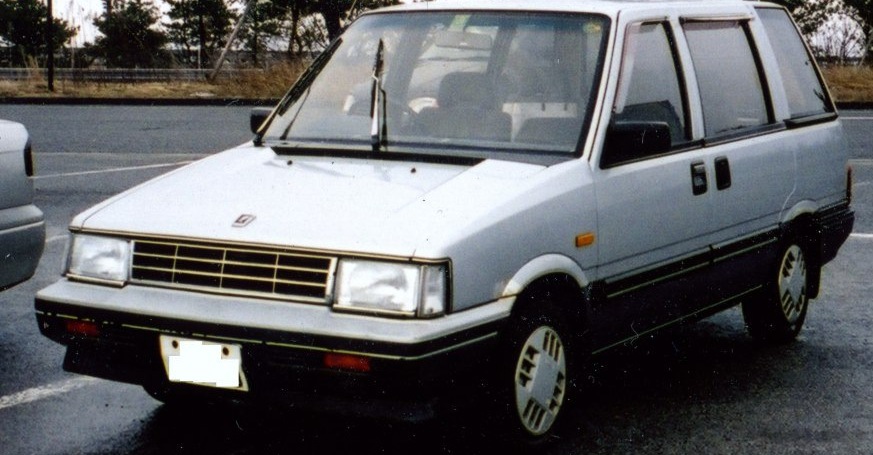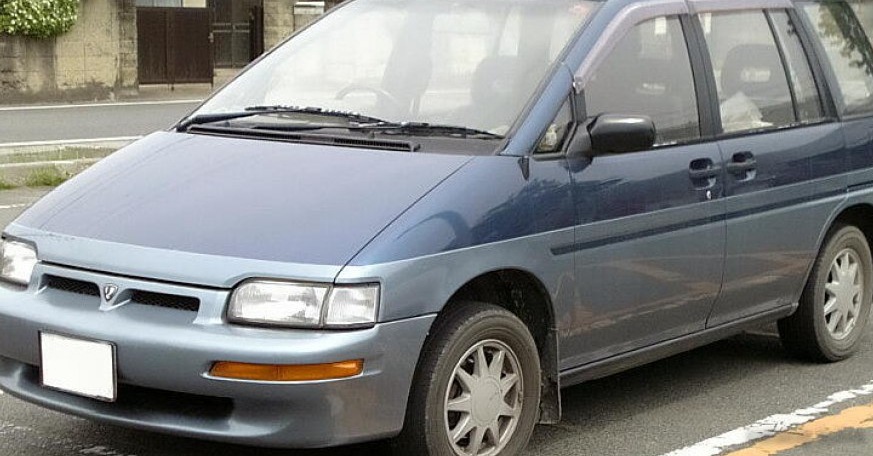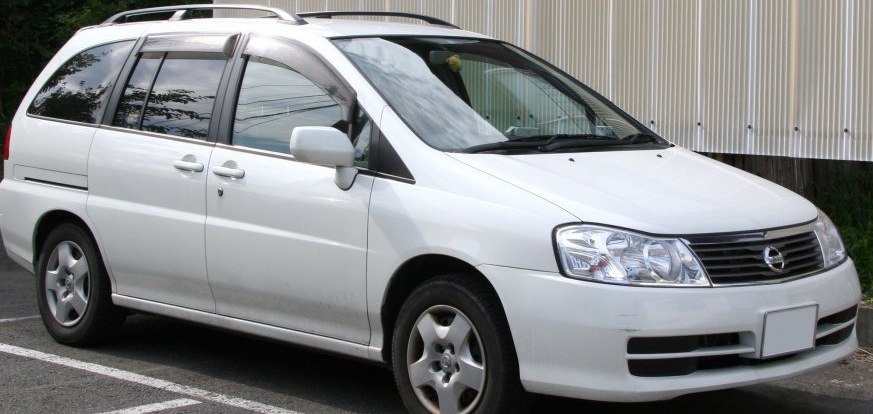
The Nissan Prairie (M12), produced between 2002 and 2004, represented the third generation of Nissan’s compact MPV (Multi-Purpose Vehicle). Positioned as a family-oriented vehicle, the M12 Prairie aimed to provide practical space and versatility within a relatively compact footprint. This particular variant, the 2.0 i 16V 4×4, was a mid-range offering within the M12 lineup, slotting between the base 1.6-liter models and the potentially available higher-specification trims. The Prairie competed with other compact MPVs like the Toyota Avanza and Honda Mobilio, primarily in the Asian market, with limited sales in other regions. It built upon the success of previous Prairie generations, offering improved comfort, safety features, and a more refined driving experience.
Technical Specifications
| Brand | Nissan |
| Model | Prairie |
| Generation | Prairie (M12) |
| Type | 2.0 i 16V (147 Hp) 4×4 |
| Start of production | 2002 |
| End of production | 2004 |
| Powertrain Architecture | Internal Combustion engine |
| Body type | Minivan |
| Seats | 5 |
| Doors | 4 |
| Fuel consumption (combined) | 9.4 l/100 km (25 US mpg, 30.1 UK mpg, 10.6 km/l) |
| Fuel Type | Petrol (Gasoline) |
| Weight-to-power ratio | 10.7 kg/Hp, 93.6 Hp/tonne |
| Weight-to-torque ratio | 7.9 kg/Nm, 126.1 Nm/tonne |
| Power | 147 Hp @ 6000 rpm |
| Power per litre | 73.6 Hp/l |
| Torque | 198 Nm @ 4000 rpm (146.04 lb.-ft. @ 4000 rpm) |
| Engine layout | Front, Transverse |
| Engine displacement | 1998 cm3 (121.93 cu. in.) |
| Number of cylinders | 4 |
| Engine configuration | Inline |
| Cylinder Bore | 89 mm (3.5 in.) |
| Piston Stroke | 80.3 mm (3.16 in.) |
| Compression ratio | 9.9:1 |
| Number of valves per cylinder | 4 |
| Fuel injection system | Multi-port manifold injection |
| Engine aspiration | Naturally aspirated engine |
| Kerb Weight | 1570 kg (3461.26 lbs.) |
| Fuel tank capacity | 60 l (15.85 US gal | 13.2 UK gal) |
| Length | 4575 mm (180.12 in.) |
| Width | 1695 mm (66.73 in.) |
| Height | 1630 mm (64.17 in.) |
| Wheelbase | 2690 mm (105.91 in.) |
| Front track | 1470 mm (57.87 in.) |
| Rear track | 1470 mm (57.87 in.) |
| Drive wheel | All wheel drive (4×4) |
| Number of gears and type of gearbox | 4 gears, automatic transmission |
| Front suspension | Coil spring |
| Rear suspension | Coil spring |
| Front brakes | Ventilated discs |
| Rear brakes | Drum |
| Assisting systems | ABS (Anti-lock braking system) |
| Steering type | Steering rack and pinion |
| Power steering | Hydraulic Steering |
| Tires size | 195/65 R15 |
Powertrain & Engine Architecture
The heart of the Prairie 2.0 i 16V 4×4 is Nissan’s QR20DE engine, a 1998cc inline-four cylinder powerplant. This engine utilizes a multi-port fuel injection system and a dual overhead camshaft (DOHC) configuration with four valves per cylinder, contributing to its 147 horsepower output at 6000 rpm and 198 Nm (146 lb-ft) of torque at 4000 rpm. The QR20DE is known for its relatively smooth operation and decent reliability. The engine’s 9.9:1 compression ratio strikes a balance between performance and fuel efficiency. The engine is transversely mounted in the front of the vehicle. Paired with the QR20DE is a four-speed automatic transmission. While not the most modern transmission available at the time, it provided smooth shifts and ease of use, appealing to the target family demographic. The 4×4 system is a part-time system, likely engaging the rear wheels electronically when traction is lost.
Driving Characteristics
The 2.0-liter engine and four-speed automatic transmission combination in the Prairie M12 offered adequate, but not particularly exhilarating, performance. Acceleration was sufficient for everyday driving and highway merging, but it wasn’t a sporty vehicle. The automatic transmission, while convenient, did result in some power loss compared to the available manual transmission options. The gear ratios were tuned for fuel economy and comfortable cruising rather than rapid acceleration. The all-wheel-drive system provided enhanced traction in inclement weather conditions, making it a practical choice for regions with snow or rain. Compared to the base 1.6-liter models, the 2.0-liter offered a noticeable improvement in power and responsiveness, especially when fully loaded with passengers and cargo. However, it didn’t match the performance of any potential turbocharged or higher-displacement engines Nissan might have offered in other markets.
Equipment & Trim Levels
The 2.0 i 16V 4×4 trim of the Nissan Prairie M12 typically included features such as air conditioning, power windows, power door locks, and a basic audio system. Interior upholstery was generally cloth, with options for upgraded materials available. The dashboard layout was functional and straightforward, prioritizing ease of use. Optional extras could include alloy wheels, a sunroof, and a more advanced audio system with a CD player. Safety features included ABS (Anti-lock Braking System) as standard equipment, and airbags were also typically included, though the exact number varied depending on the specific market.
Chassis & Braking
The Prairie M12 utilized a relatively simple chassis design, featuring coil spring suspension at both the front and rear. The front suspension employed a MacPherson strut setup, while the rear used a torsion beam axle. This configuration provided a comfortable ride quality, suitable for family transportation. Braking duties were handled by ventilated discs at the front and drum brakes at the rear. While the front discs offered adequate stopping power, the rear drums were a cost-saving measure and didn’t provide the same level of performance. The steering system was a rack and pinion setup with hydraulic power assistance, offering reasonable steering feel and maneuverability.
Market Reception & Comparison
The Nissan Prairie M12, and specifically the 2.0 i 16V 4×4 variant, received generally positive reviews for its practicality, spacious interior, and comfortable ride. Critics noted that the automatic transmission could feel somewhat sluggish, and the overall driving experience wasn’t particularly engaging. However, the all-wheel-drive system was praised for its added security and capability in adverse weather conditions. Compared to the 1.6-liter models, the 2.0-liter offered a significant improvement in performance, justifying the higher price tag for buyers who prioritized power and responsiveness. Fuel economy was reasonable for a vehicle of its size and class, averaging around 9.4 l/100km. Reliability was generally good, with the QR20DE engine proving to be a durable and dependable unit.
Legacy
The Nissan Prairie M12, while not a groundbreaking vehicle, served as a practical and reliable family MPV for those seeking a versatile and affordable option. The QR20DE engine has proven to be a long-lasting and relatively trouble-free powerplant, contributing to the Prairie’s continued presence on the used car market. Today, the M12 Prairie is often sought after by those looking for a spacious and dependable vehicle for family duties. While it may not offer the latest technology or performance, its simplicity and practicality continue to appeal to a certain segment of buyers. Parts availability is generally good, and maintenance costs are relatively low, making it a sensible choice for budget-conscious consumers.