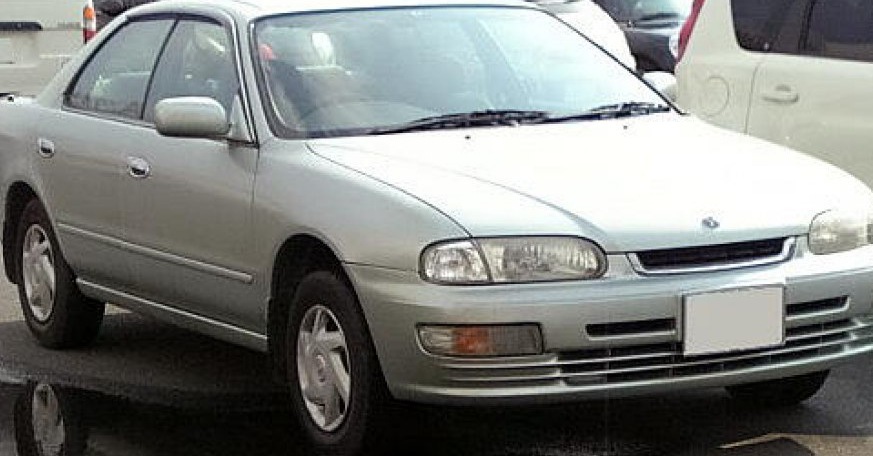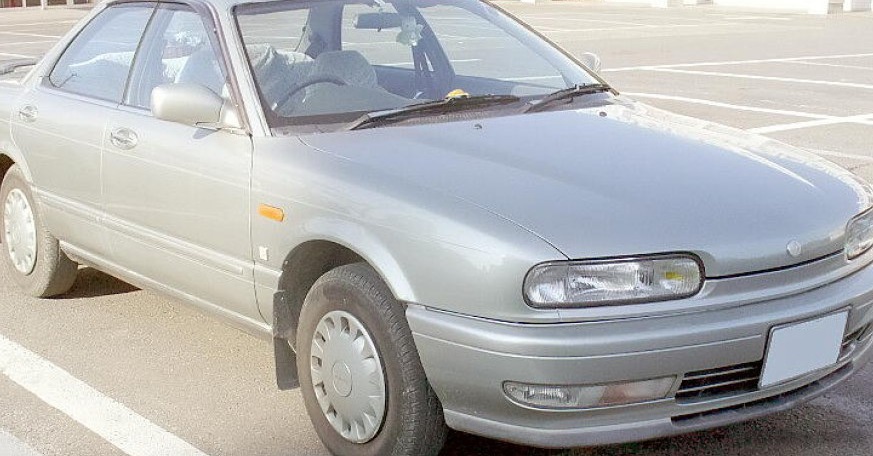
The Nissan Presea 1.5 16V Automatic, produced between 1990 and 1994, represented a compact, entry-level offering from Nissan primarily aimed at the Japanese domestic market (JDM). Positioned as a practical and affordable sedan, the Presea filled a niche below the more established Nissan Sunny and Bluebird models. This particular variant, equipped with the 1.5-liter 16-valve engine and a four-speed automatic transmission, was designed for buyers prioritizing ease of use and fuel efficiency over outright performance. It was part of the initial Presea series, designated as the N10 chassis code, and offered a relatively modern design for its time, focusing on interior space and comfort within a compact footprint.
Technical Specifications
| Brand | Nissan |
| Model | Presea |
| Generation | Presea |
| Type (Engine) | 1.5 16V (94 Hp) Automatic |
| Start of production | 1990 |
| End of production | 1994 |
| Powertrain Architecture | Internal Combustion engine |
| Body type | Sedan |
| Seats | 5 |
| Doors | 4 |
| Fuel consumption (urban) | 11 l/100 km (21.4 US mpg) |
| Fuel consumption (extra urban) | 6 l/100 km (39.2 US mpg) |
| Fuel Type | Petrol (Gasoline) |
| Maximum speed | 170 km/h (105.63 mph) |
| Weight-to-power ratio | 10.5 kg/Hp |
| Weight-to-torque ratio | 7.9 kg/Nm |
| Power | 94 Hp @ 6000 rpm |
| Power per litre | 62.8 Hp/l |
| Torque | 126 Nm @ 3600 rpm (92.93 lb.-ft. @ 3600 rpm) |
| Engine layout | Front, Transverse |
| Engine displacement | 1497 cm3 (91.35 cu. in.) |
| Number of cylinders | 4 |
| Engine configuration | Inline |
| Cylinder Bore | 73.6 mm (2.9 in.) |
| Piston Stroke | 88 mm (3.46 in.) |
| Compression ratio | 9.5:1 |
| Number of valves per cylinder | 4 |
| Fuel injection system | Carburettor |
| Engine aspiration | Naturally aspirated engine |
| Valvetrain | DOHC |
| Kerb Weight | 990 kg (2182.58 lbs.) |
| Fuel tank capacity | 50 l (13.21 US gal | 11 UK gal) |
| Length | 4390 mm (172.83 in.) |
| Width | 1690 mm (66.54 in.) |
| Height | 1320 mm (51.97 in.) |
| Wheelbase | 2500 mm (98.43 in.) |
| Front track | 1445 mm (56.89 in.) |
| Rear track | 1425 mm (56.1 in.) |
| Drivetrain Architecture | Front wheel drive |
| Number of gears | 4 |
| Gearbox type | automatic transmission |
| Front suspension | Wishbone |
| Rear suspension | Coil spring |
| Front brakes | Ventilated discs |
| Rear brakes | Drum |
| Assisting systems | ABS (Anti-lock braking system) |
| Steering type | Steering rack and pinion |
| Tires size | 165/80 R13 |
Powertrain & Engine Architecture
The heart of the Presea 1.5 Automatic is the GA15DE engine, a 1.5-liter inline-four cylinder gasoline engine. While the specification lists a carburettor, later models within the production run transitioned to multi-point fuel injection, improving efficiency and emissions. The 16-valve DOHC (Double Overhead Camshaft) configuration was relatively advanced for an entry-level engine of the time, contributing to its respectable power output of 94 horsepower at 6000 rpm and 126 Nm (93 lb-ft) of torque at 3600 rpm. The engine’s design prioritized smooth operation and fuel economy over high-end performance. The four-speed automatic transmission, while providing convenience, was a fairly conventional unit for the early 1990s. It wasn’t known for particularly quick shifts or advanced features, but it was reliable and well-suited to the engine’s power characteristics.
Driving Characteristics
The Presea 1.5 Automatic offered a comfortable, if uninspiring, driving experience. Acceleration was adequate for city driving and highway merging, but it wasn’t a particularly quick car. The automatic transmission, while smooth, did sap some of the engine’s power, resulting in a noticeable difference in performance compared to the five-speed manual version. The gear ratios were tuned for fuel efficiency, meaning the engine often felt strained during hard acceleration. Handling was predictable and safe, but not particularly sporty. The suspension was tuned for comfort, absorbing bumps and imperfections in the road well. Compared to other Presea variants, such as those with larger engines, this 1.5L automatic was the most economical and easiest to drive, but it lacked the responsiveness and excitement of its more powerful siblings.
Equipment & Trim Levels
The Presea 1.5 Automatic typically came with a fairly basic level of equipment. Standard features included power steering, a basic audio system, and cloth upholstery. Air conditioning was often an optional extra, as were power windows and central locking. The interior design was functional and straightforward, with a focus on practicality rather than luxury. Trim levels were relatively limited, with most models offering similar features. The dashboard layout was simple and easy to use, with clearly labeled controls. The overall impression was one of affordability and durability.
Chassis & Braking
The Presea utilized a front-wheel-drive layout with a relatively simple chassis design. The front suspension featured independent wishbones, while the rear suspension employed a coil spring setup. This configuration provided a comfortable ride and predictable handling. Braking duties were handled by ventilated discs at the front and drum brakes at the rear. While adequate for normal driving conditions, the braking system wasn’t particularly powerful. ABS (Anti-lock Braking System) was available as an option on some models, enhancing safety in emergency braking situations. The tires were typically 165/80 R13, chosen for their balance of comfort, fuel efficiency, and affordability.
Market Reception & Comparison
The Nissan Presea 1.5 Automatic was generally well-received in the Japanese market as a practical and affordable family car. Critics praised its spacious interior, comfortable ride, and fuel efficiency. However, it was often criticized for its lack of performance and somewhat bland styling. Compared to other cars in its class, such as the Toyota Corolla and Honda Civic, the Presea offered a competitive price point but lacked the same level of refinement and driving enjoyment. The 1.5L automatic variant was particularly popular with buyers who prioritized ease of use and fuel economy over performance. It was often seen as a sensible choice for commuters and families.
Legacy
The Nissan Presea, while not a particularly iconic model, holds a place in automotive history as a representative of the affordable, practical compact cars that were popular in Japan during the early 1990s. The GA15DE engine proved to be a reliable and durable unit, and many Presea models are still on the road today. In the used car market, the 1.5 Automatic variant is often sought after by buyers looking for a cheap and reliable transportation option. While it may not offer the performance or features of more modern cars, it remains a testament to Nissan’s commitment to building practical and affordable vehicles. Maintenance is generally straightforward, with parts readily available, contributing to its continued viability as a budget-friendly vehicle.