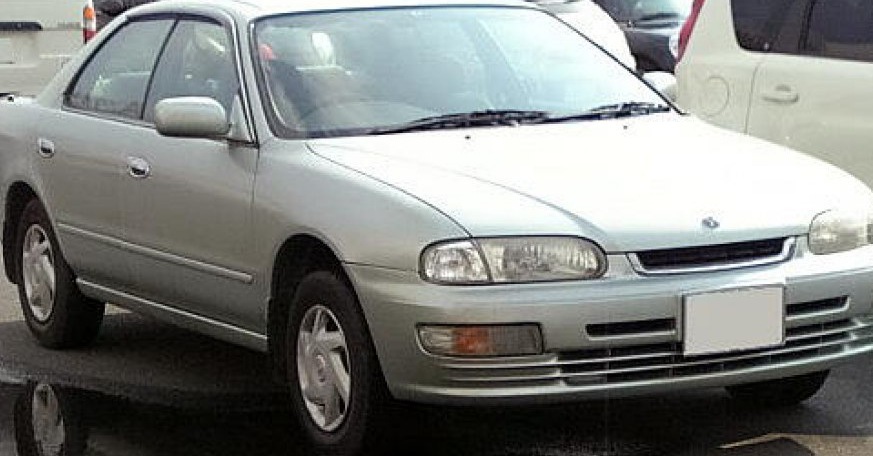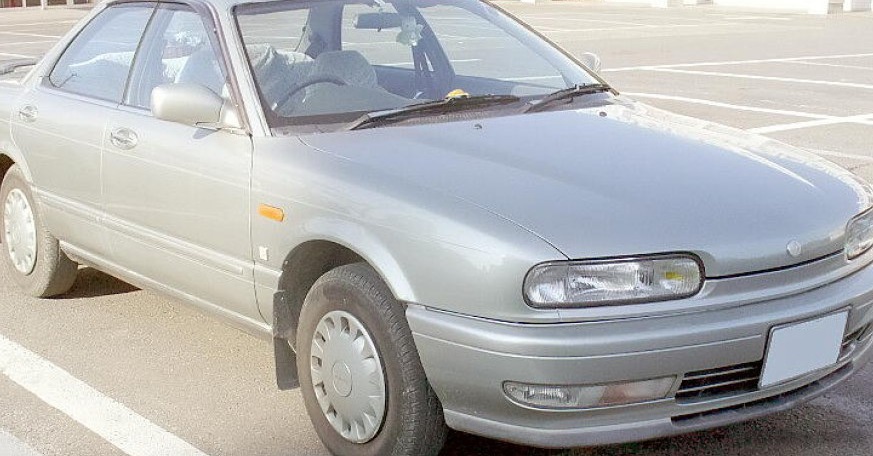
The Nissan Presea 2.0 16V, produced between 1990 and 1994, represented a somewhat niche offering within Nissan’s lineup. Positioned as a compact sedan, the Presea aimed to provide a blend of practicality, comfort, and reasonable performance. It was primarily marketed in Japan, where it competed with other similarly sized and equipped vehicles like the Toyota Corolla and Honda Civic. The 2.0 16V variant, boasting 140 horsepower, was a step up from the base models, offering a more spirited driving experience. It was built on Nissan’s compact platform, sharing some components with other models of the era, but maintaining a distinct identity through its styling and interior appointments.
Technical Specifications
| Brand | Nissan |
| Model | Presea |
| Generation | Presea |
| Type (Engine) | 2.0 16V (140 Hp) |
| Start of production | 1990 |
| End of production | 1994 |
| Powertrain Architecture | Internal Combustion engine |
| Body type | Sedan |
| Seats | 5 |
| Doors | 4 |
| Fuel consumption (urban) | 13 l/100 km (18.1 US mpg, 21.7 UK mpg) |
| Fuel consumption (extra urban) | 8 l/100 km (29.4 US mpg, 35.3 UK mpg) |
| Fuel Type | Petrol (Gasoline) |
| Maximum speed | 200 km/h (124.27 mph) |
| Weight-to-power ratio | 7.8 kg/Hp, 128.4 Hp/tonne |
| Weight-to-torque ratio | 6 kg/Nm, 166.1 Nm/tonne |
| Power | 140 Hp @ 5800 rpm |
| Power per litre | 70.1 Hp/l |
| Torque | 181 Nm @ 4800 rpm (133.5 lb.-ft. @ 4800 rpm) |
| Engine layout | Front, Transverse |
| Engine displacement | 1998 cm3 (121.93 cu. in.) |
| Number of cylinders | 4 |
| Engine configuration | Inline |
| Cylinder Bore | 86 mm (3.39 in.) |
| Piston Stroke | 86 mm (3.39 in.) |
| Compression ratio | 10:1 |
| Number of valves per cylinder | 4 |
| Fuel injection system | Multi-port manifold injection |
| Engine aspiration | Naturally aspirated engine |
| Valvetrain | DOHC |
| Kerb Weight | 1090 kg (2403.04 lbs.) |
| Fuel tank capacity | 50 l (13.21 US gal | 11 UK gal) |
| Length | 4390 mm (172.83 in.) |
| Width | 1690 mm (66.54 in.) |
| Height | 1320 mm (51.97 in.) |
| Wheelbase | 2500 mm (98.43 in.) |
| Front track | 1445 mm (56.89 in.) |
| Rear track | 1425 mm (56.1 in.) |
| Drivetrain Architecture | The Internal combustion engine (ICE) drives the front wheels of the vehicle. |
| Drive wheel | Front wheel drive |
| Number of gears and type of gearbox | 5 gears, manual transmission |
| Front suspension | Wishbone |
| Rear suspension | Coil spring |
| Front brakes | Ventilated discs |
| Rear brakes | Drum |
| Assisting systems | ABS (Anti-lock braking system) |
| Steering type | Steering rack and pinion |
| Power steering | Hydraulic Steering |
| Tires size | 195/60 R14 |
Powertrain & Engine Architecture
The heart of the Presea 2.0 16V was Nissan’s GA20DE engine. This 1998cc inline-four cylinder engine featured a double overhead camshaft (DOHC) valvetrain and multi-port fuel injection. The 16 valves (four per cylinder) contributed to its relatively high output for a naturally aspirated engine of that era. The GA20DE was known for its durability and smooth power delivery. The engine’s design prioritized refinement over outright performance, making it a suitable match for the Presea’s intended role as a comfortable and practical sedan. The 5-speed manual transmission was the standard offering for this trim, providing drivers with a direct connection to the engine’s power. The transmission was chosen for its durability and relatively precise shift feel.
Driving Characteristics
The Presea 2.0 16V offered a noticeable step up in performance compared to the lower-displacement models. With 140 horsepower, it could accelerate from 0 to 60 mph in around 9-10 seconds, and reach a top speed of 124 mph. While not a sports car, the 2.0L engine provided ample power for everyday driving and overtaking maneuvers. The manual transmission allowed drivers to fully utilize the engine’s powerband, while the relatively lightweight chassis contributed to a nimble feel. Compared to the base models, the 2.0 16V felt more responsive and engaging, making it a more enjoyable driving experience for those who valued performance. The gear ratios were well-chosen for both city and highway driving, providing good acceleration in most situations.
Equipment & Trim Levels
The Presea 2.0 16V typically came equipped with features considered standard for a mid-range sedan in the early 1990s. This included power steering, air conditioning, and a basic audio system. Interior upholstery was typically cloth, with a relatively simple and functional dashboard layout. Optional extras could include power windows, central locking, and upgraded audio systems. The trim level often dictated the quality of the interior materials and the availability of certain convenience features. The focus was on providing a comfortable and well-equipped interior without excessive luxury.
Chassis & Braking
The Presea utilized a front-wheel-drive layout with independent wishbone suspension in the front and a coil spring setup in the rear. This suspension configuration provided a comfortable ride quality while maintaining reasonable handling characteristics. The front brakes were ventilated discs, offering good stopping power, while the rear brakes were drums. Anti-lock braking system (ABS) was available as an option, enhancing safety by preventing wheel lockup during hard braking. The chassis was designed to balance rigidity with weight savings, contributing to the car’s overall handling and fuel efficiency.
Market Reception & Comparison
The Nissan Presea 2.0 16V was generally well-received by critics as a practical and reliable sedan. It was praised for its comfortable ride, spacious interior, and fuel-efficient engine. However, it wasn’t considered a particularly exciting or sporty vehicle. Compared to other trims in the Presea lineup, the 2.0 16V offered a significant performance advantage, but at a higher price point. Fuel economy was respectable for its class, averaging around 29 mpg on the highway. Reliability was generally good, with the GA20DE engine proving to be a durable and long-lasting unit.
Legacy
The Nissan Presea, while not a hugely popular model outside of Japan, has developed a small but dedicated following among enthusiasts. The GA20DE engine is known for its reliability and relatively simple maintenance requirements. Today, well-maintained examples of the Presea 2.0 16V are becoming increasingly rare, and are sought after by collectors and enthusiasts who appreciate its understated styling and dependable powertrain. The car represents a snapshot of Japanese automotive engineering from the early 1990s, offering a blend of practicality, comfort, and reasonable performance. Its long-term reliability and relatively affordable parts availability make it a viable option for those looking for a classic Japanese sedan.