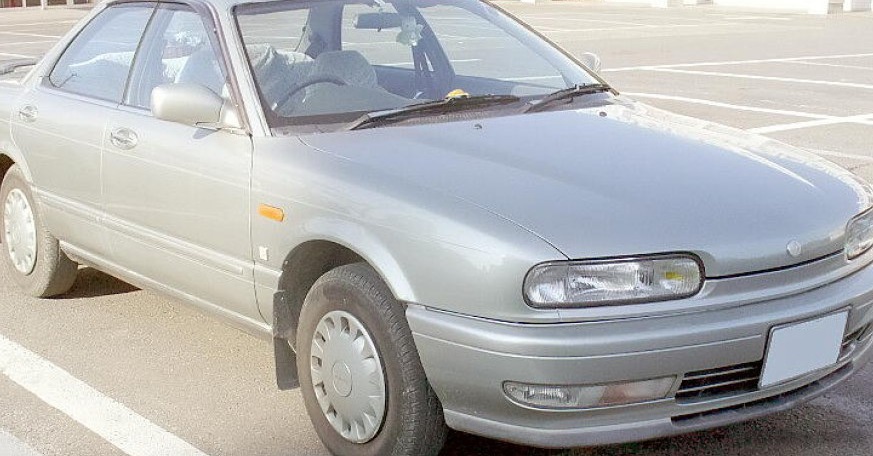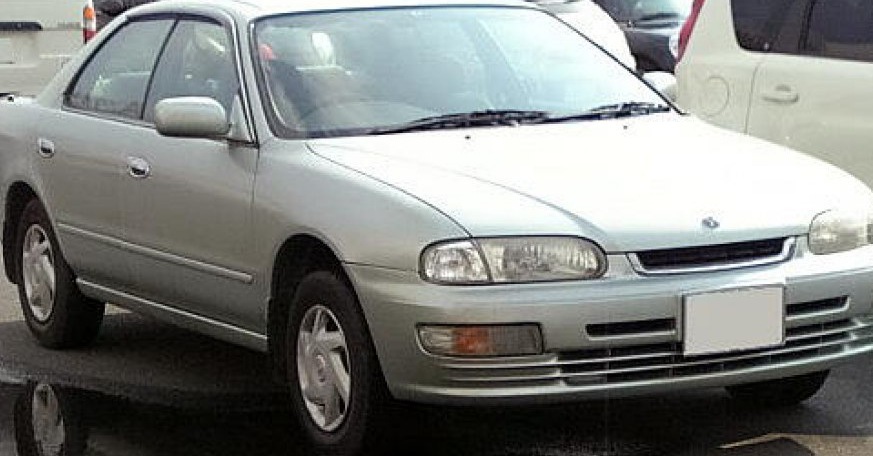
The Nissan Presea II 1.8 16V, produced between 1995 and 2000, represented a refinement of Nissan’s compact sedan offering, primarily aimed at the Japanese domestic market (JDM). Positioned as a comfortable and practical family vehicle, the Presea II slotted between the smaller Nissan Sunny and the larger Nissan Cefiro in Nissan’s lineup. This particular variant, equipped with the 1.8-liter 16-valve engine and a five-speed manual transmission, offered a balance of performance and fuel efficiency, appealing to buyers seeking a step up from the base models. The Presea II was built on the T12 platform, sharing components with other Nissan vehicles of the era.
Technical Specifications
| Brand | Nissan |
| Model | Presea |
| Generation | Presea II |
| Type (Engine) | 1.8 16V (125 Hp) |
| Start of production | 1995 |
| End of production | 2000 |
| Powertrain Architecture | Internal Combustion engine |
| Body type | Sedan |
| Seats | 5 |
| Doors | 4 |
| Fuel consumption (urban) | 13 l/100 km (18.1 US mpg, 21.7 UK mpg) |
| Fuel consumption (extra urban) | 7 l/100 km (33.6 US mpg, 40.4 UK mpg) |
| Fuel Type | Petrol (Gasoline) |
| Maximum speed | 190 km/h (118.06 mph) |
| Weight-to-power ratio | 8.7 kg/Hp |
| Weight-to-torque ratio | 6.9 kg/Nm |
| Power | 125 Hp @ 6000 rpm |
| Power per litre | 68 Hp/l |
| Torque | 157 Nm @ 4800 rpm (115.8 lb.-ft. @ 4800 rpm) |
| Engine layout | Front, Transverse |
| Engine displacement | 1839 cm3 (112.22 cu. in.) |
| Number of cylinders | 4 |
| Engine configuration | Inline |
| Cylinder Bore | 82.5 mm (3.25 in.) |
| Piston Stroke | 86 mm (3.39 in.) |
| Compression ratio | 9.5:1 |
| Number of valves per cylinder | 4 |
| Fuel injection system | Multi-port manifold injection |
| Engine aspiration | Naturally aspirated engine |
| Valvetrain | DOHC |
| Kerb Weight | 1090 kg (2403.04 lbs.) |
| Fuel tank capacity | 50 l (13.21 US gal | 11 UK gal) |
| Length | 4490 mm (176.77 in.) |
| Width | 1695 mm (66.73 in.) |
| Height | 1320 mm (51.97 in.) |
| Wheelbase | 2580 mm (101.57 in.) |
| Front track | 1480 mm (58.27 in.) |
| Rear track | 1445 mm (56.89 in.) |
| Drivetrain Architecture | Front wheel drive |
| Drive wheel | Front wheel drive |
| Number of gears and type of gearbox | 5 gears, manual transmission |
| Front suspension | Spring Strut |
| Rear suspension | Double wishbone |
| Front brakes | Ventilated discs |
| Rear brakes | Disc |
| Assisting systems | ABS (Anti-lock braking system) |
| Steering type | Steering rack and pinion |
| Power steering | Hydraulic Steering |
| Tires size | 175/70 R13 |
Powertrain & Engine Architecture
The heart of the Presea II 1.8 16V was the GA16DE engine, a 1.8-liter inline-four cylinder powerplant. This engine featured a double overhead camshaft (DOHC) valvetrain with four valves per cylinder, contributing to its relatively high output for its displacement. The GA16DE utilized multi-port fuel injection, optimizing fuel delivery for improved efficiency and performance. The engine’s 9.5:1 compression ratio was a typical value for naturally aspirated engines of the time, balancing power and fuel economy. The five-speed manual transmission provided drivers with precise control over the engine’s powerband. The transmission’s gear ratios were tuned for a blend of acceleration and highway cruising, offering a comfortable driving experience.
Driving Characteristics
The 125 horsepower and 157 Nm (115.8 lb-ft) of torque delivered by the GA16DE engine, coupled with the five-speed manual, provided the Presea II with adequate performance for everyday driving. Acceleration was respectable, though not particularly sporty, with a 0-60 mph time estimated around 9-10 seconds. The manual transmission allowed drivers to fully utilize the engine’s powerband, providing a more engaging driving experience compared to the available automatic transmission. The Presea II’s suspension, featuring a strut setup in the front and a double wishbone arrangement in the rear, offered a comfortable ride, absorbing bumps and imperfections in the road effectively. However, it wasn’t designed for aggressive cornering, prioritizing comfort over outright handling prowess.
Equipment & Trim Levels
The Presea II 1.8 16V typically came equipped with a reasonable level of standard features. These included power windows, power steering, central locking, and an AM/FM radio. Higher trim levels offered options such as air conditioning, alloy wheels, and upgraded interior upholstery. The interior was generally functional and well-built, with a focus on practicality rather than luxury. The dashboard layout was straightforward and easy to use, with clearly labeled controls. The seats provided adequate support for both front and rear passengers.
Chassis & Braking
The Presea II’s chassis was a typical unibody construction for a compact sedan. The front suspension utilized MacPherson struts, while the rear employed a double wishbone setup. This configuration provided a good balance of ride comfort and handling. The braking system consisted of ventilated discs in the front and solid discs in the rear, providing adequate stopping power for the vehicle’s weight and performance. Anti-lock braking system (ABS) was often included as standard equipment, enhancing safety by preventing wheel lockup during hard braking.
Market Reception & Comparison
The Nissan Presea II 1.8 16V was generally well-received in the Japanese market as a practical and reliable family sedan. Critics praised its comfortable ride, fuel efficiency, and spacious interior. Compared to other trims in the Presea II lineup, the 1.8 16V offered a noticeable performance advantage over the smaller 1.5-liter engine options. However, it wasn’t as sporty or luxurious as some of its competitors, such as the Toyota Corolla or Honda Civic. The manual transmission version was favored by drivers who appreciated a more engaging driving experience.
Legacy
The Nissan Presea II, while not a particularly iconic vehicle, remains a relatively reliable and affordable used car option today. The GA16DE engine is known for its durability and relatively simple maintenance requirements. Parts availability can be a challenge outside of Japan, but the engine’s robust design means that it can often withstand high mileage with proper care. The Presea II’s comfortable ride and practical interior continue to appeal to buyers seeking a no-frills, dependable sedan. While it may not offer the performance or features of more modern vehicles, the Presea II 1.8 16V represents a solid example of Japanese automotive engineering from the 1990s.