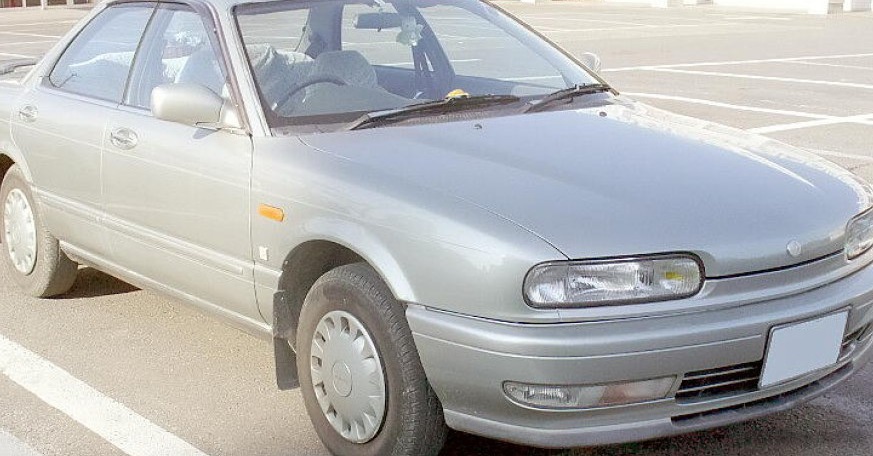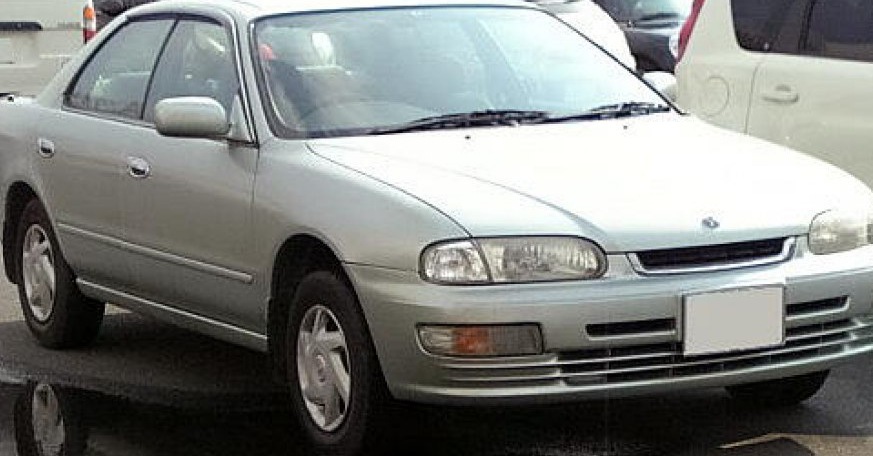
The Nissan Presea II 2.0 16V, produced between 1995 and 2000, represented a refinement of Nissan’s compact sedan offering, primarily aimed at the Japanese domestic market (JDM). Positioned as a comfortable and practical family vehicle, the Presea II slotted between the smaller Nissan Sunny and the larger Nissan Cefiro in Nissan’s lineup. This particular variant, equipped with the 2.0-liter 16-valve engine and a four-speed automatic transmission, offered a balance of performance and convenience, appealing to buyers seeking a step up from base models without the sportiness of more expensive options. The Presea II was built on the T12 platform, sharing components with other Nissan vehicles of the era.
Technical Specifications
| Brand | Nissan |
| Model | Presea |
| Generation | Presea II |
| Type (Engine) | 2.0 16V (145 Hp) |
| Start of production | 1995 |
| End of production | 2000 |
| Powertrain Architecture | Internal Combustion engine |
| Body type | Sedan |
| Seats | 5 |
| Doors | 4 |
| Fuel consumption (urban) | 13 l/100 km (18.1 US mpg, 21.7 UK mpg) |
| Fuel consumption (extra urban) | 8 l/100 km (29.4 US mpg, 35.3 UK mpg) |
| Fuel Type | Petrol (Gasoline) |
| Maximum speed | 190 km/h (118.06 mph) |
| Weight-to-power ratio | 7.8 kg/Hp |
| Weight-to-torque ratio | 6.3 kg/Nm |
| Power | 145 Hp @ 6400 rpm |
| Power per litre | 72.6 Hp/l |
| Torque | 179 Nm @ 4800 rpm (132.02 lb.-ft. @ 4800 rpm) |
| Engine layout | Front, Transverse |
| Engine displacement | 1998 cm3 (121.93 cu. in.) |
| Number of cylinders | 4 |
| Engine configuration | Inline |
| Cylinder Bore | 86 mm (3.39 in.) |
| Piston Stroke | 86 mm (3.39 in.) |
| Compression ratio | 10:1 |
| Number of valves per cylinder | 4 |
| Fuel injection system | Multi-port manifold injection |
| Engine aspiration | Naturally aspirated engine |
| Valvetrain | DOHC |
| Kerb Weight | 1130 kg (2491.22 lbs.) |
| Fuel tank capacity | 50 l (13.21 US gal | 11 UK gal) |
| Length | 4490 mm (176.77 in.) |
| Width | 1695 mm (66.73 in.) |
| Height | 1320 mm (51.97 in.) |
| Wheelbase | 2580 mm (101.57 in.) |
| Front track | 1480 mm (58.27 in.) |
| Rear track | 1445 mm (56.89 in.) |
| Drivetrain Architecture | Front wheel drive |
| Drive wheel | Front wheel drive |
| Number of gears | 4 |
| Gearbox type | automatic transmission |
| Front suspension | Spring Strut |
| Rear suspension | Double wishbone |
| Front brakes | Ventilated discs |
| Rear brakes | Disc |
| Assisting systems | ABS (Anti-lock braking system) |
| Steering type | Steering rack and pinion |
| Power steering | Hydraulic Steering |
| Tires size | 185/70 R13 |
Powertrain & Engine Architecture
The heart of the Presea II 2.0 16V is Nissan’s SR20DE engine. This 1998cc inline-four cylinder engine utilizes a double overhead camshaft (DOHC) valvetrain with four valves per cylinder, contributing to its relatively high output for its displacement. The SR20DE featured multi-port fuel injection, delivering precise fuel metering for improved efficiency and responsiveness. The engine’s 10:1 compression ratio was a standard figure for naturally aspirated engines of the time. The four-speed automatic transmission, while providing convenient operation, was a conventional torque converter type. It wasn’t known for particularly quick shifts, but prioritized smoothness and reliability. The transmission’s gear ratios were tuned for comfortable cruising and adequate acceleration, rather than outright performance.
Driving Characteristics
The 145 horsepower and 179 Nm (132 lb-ft) of torque delivered by the SR20DE, when paired with the four-speed automatic, resulted in a driving experience that prioritized comfort over sportiness. Acceleration was adequate for everyday driving, but not particularly brisk. The automatic transmission’s shift points were programmed to favor fuel economy, meaning the engine often operated at lower RPMs. Compared to the five-speed manual transmission available on other Presea II models, the automatic version felt noticeably less engaging and offered slower acceleration times. However, the automatic provided a smoother and more relaxed driving experience, especially in urban traffic.
Equipment & Trim Levels
The 2.0 16V automatic variant of the Presea II typically came equipped with a reasonable level of standard features. These included power windows, power steering, air conditioning, and a basic audio system. Interior upholstery was typically cloth, with options for upgraded materials available. Higher trim levels offered features such as alloy wheels, a sunroof, and more advanced audio systems. The dashboard layout was functional and straightforward, prioritizing ease of use over stylistic flair. Optional extras included a CD player, upgraded speakers, and metallic paint finishes.
Chassis & Braking
The Presea II utilized a conventional front-wheel-drive chassis layout. The front suspension employed MacPherson strut springs, while the rear suspension featured a double wishbone setup. This configuration provided a comfortable ride quality, absorbing bumps and imperfections in the road surface effectively. Braking duties were handled by ventilated discs at the front and solid discs at the rear. An Anti-lock Braking System (ABS) was standard, enhancing safety by preventing wheel lockup during hard braking. The steering system was a rack-and-pinion type with hydraulic power assistance, providing light and easy steering feel.
Market Reception & Comparison
The Nissan Presea II 2.0 16V automatic was generally well-received by Japanese consumers as a practical and reliable family sedan. Critics praised its comfortable ride, spacious interior, and fuel efficiency. However, some reviewers noted that the automatic transmission detracted from the engine’s potential, and that the driving experience was not particularly exciting. Compared to other trims, such as the 1.8-liter models, the 2.0 16V offered a noticeable performance advantage, but at a higher price point. The 2.0L also offered better resale value than the lower displacement engines. Fuel economy was comparable to other vehicles in its class, and reliability was generally considered to be good.
Legacy
The Nissan Presea II, while not a particularly iconic or collectible vehicle, remains a reasonably popular choice in the used car market, particularly in Japan. The SR20DE engine is known for its durability and relatively simple maintenance requirements. The automatic transmission, while not the most sophisticated, has also proven to be reliable. Parts availability is generally good, and the Presea II offers a cost-effective and practical transportation solution for those seeking a comfortable and dependable sedan. Today, well-maintained examples are often sought after by enthusiasts looking for a classic JDM vehicle.