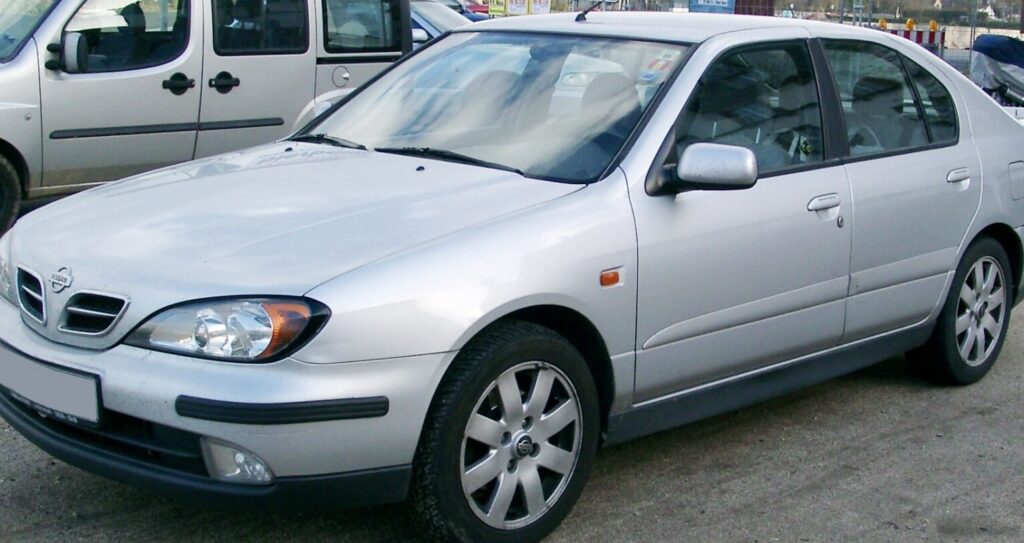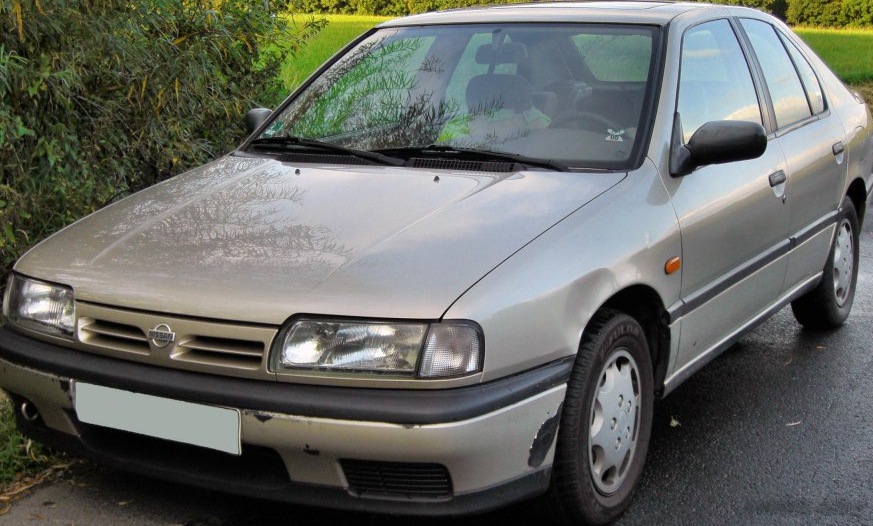
The Nissan Primera (P10) 2.0i, produced from 1995 to 1996, represented a significant step forward for Nissan’s mid-size offering in the European market. Positioned as a more sophisticated and spacious alternative to rivals like the Ford Mondeo and Vauxhall/Opel Vectra, the P10 Primera was Nissan’s attempt to establish a stronger foothold in the family car segment. The 2.0i variant, with its 125 horsepower engine, occupied a middle ground in the Primera P10 lineup, offering a balance between performance and fuel economy. It was aimed at drivers who desired a comfortable and well-equipped vehicle for both commuting and longer journeys.
Technical Specifications
| Brand | Nissan |
| Model | Primera |
| Generation | Primera Hatch (P10) |
| Type (Engine) | 2.0 i (125 Hp) |
| Start of production | 1995 |
| End of production | 1996 |
| Powertrain Architecture | Internal Combustion engine |
| Body type | Hatchback |
| Seats | 5 |
| Doors | 5 |
| Fuel consumption (urban) | 10 l/100 km (23.5 US mpg, 28.2 UK mpg, 10 km/l) |
| Fuel consumption (extra urban) | 7.5 l/100 km (31.4 US mpg, 37.7 UK mpg, 13.3 km/l) |
| Fuel consumption (combined) | 8 l/100 km (29.4 US mpg, 35.3 UK mpg, 12.5 km/l) |
| Fuel Type | Petrol (Gasoline) |
| Maximum speed | 180 km/h (111.85 mph) |
| Power | 125 Hp |
| Power per litre | 62.5 Hp/l |
| Engine layout | Front, Transverse |
| Engine Model/Code | SR20DE |
| Engine displacement | 2000 cm3 (122.05 cu. in.) |
| Number of cylinders | 4 |
| Engine configuration | Inline |
| Number of valves per cylinder | 4 |
| Fuel injection system | Multi-port manifold injection |
| Engine aspiration | Naturally aspirated engine |
| Engine oil capacity | 3.5 l (3.7 US qt, 3.08 UK qt) |
| Coolant capacity | 5.8 l (6.13 US qt, 5.1 UK qt) |
| Fuel tank capacity | 45 l (11.89 US gal, 9.9 UK gal) |
| Drivetrain | Front wheel drive |
| Number of gears & type | 5 gears, manual transmission |
| Rear brakes | Disc |
| Steering type | Steering rack and pinion |
| Tires size | 185/65 R14 |
| Wheel rims size | 14 |
Powertrain & Engine Architecture
The heart of the Primera 2.0i was the SR20DE engine, a 1998cc, naturally aspirated, inline-four cylinder powerplant. This engine was a mainstay in Nissan’s lineup during the 1990s, known for its relative reliability and smooth operation. The SR20DE featured multi-port fuel injection, which helped optimize fuel delivery and improve efficiency. The engine utilized a single overhead camshaft (SOHC) design with four valves per cylinder, contributing to its respectable power output for its displacement. The 125 horsepower peak was achieved at approximately 6000 rpm, with 136 lb-ft of torque available. The engine’s design prioritized smooth power delivery over outright performance, making it well-suited for everyday driving. The P10 2.0i exclusively came with a five-speed manual transmission, offering drivers a direct connection to the engine and precise gear control.
Driving Characteristics
The Primera 2.0i offered a comfortable and composed driving experience. While not a particularly sporty vehicle, the 2.0-liter engine provided adequate power for overtaking and highway cruising. The five-speed manual transmission allowed drivers to keep the engine in its optimal power band, resulting in responsive acceleration. Compared to the lower-powered 1.6-liter Primera variants, the 2.0i offered a noticeable improvement in performance, particularly when fully loaded with passengers or luggage. However, it lacked the more aggressive character of potential future performance-oriented Nissan models. The gear ratios were fairly conventional, prioritizing fuel efficiency and ease of use over outright acceleration. The steering was light and precise, making the Primera easy to maneuver in urban environments.
Equipment & Trim Levels
The Primera 2.0i typically came equipped with a reasonable level of standard features for its time. These included power steering, central locking, electric front windows, and an adjustable steering column. Higher trim levels, often denoted by additional badging, could add features such as alloy wheels, a sunroof, and upgraded interior trim. The interior was generally well-appointed, with comfortable seats and a functional dashboard layout. Air conditioning was often an optional extra, as were features like a CD player and upgraded sound system. The interior materials were durable, though not particularly luxurious, reflecting the Primera’s position as a mainstream family car.
Chassis & Braking
The Primera P10 utilized a MacPherson strut front suspension and a multi-link rear suspension, providing a good balance between ride comfort and handling. The suspension was tuned for comfort, absorbing bumps and imperfections in the road surface effectively. The 2.0i models were typically equipped with disc brakes on all four wheels, providing adequate stopping power. The braking system was not particularly sophisticated, lacking features like ABS in some base models, but it was generally reliable and effective for everyday driving. The chassis was relatively lightweight, contributing to the Primera’s nimble handling characteristics.
Market Reception & Comparison
The Nissan Primera P10 2.0i was generally well-received by automotive critics. It was praised for its spacious interior, comfortable ride, and reliable engine. However, some critics noted that the styling was somewhat conservative compared to rivals. Compared to the 1.6-liter Primera, the 2.0i offered a significant performance upgrade, making it a more appealing option for drivers who frequently traveled on highways or carried passengers. Fuel economy was competitive with other vehicles in its class, averaging around 29.4 US mpg in combined driving. The 2.0i offered a compelling alternative to established rivals like the Ford Mondeo and Vauxhall/Opel Vectra, particularly for buyers seeking a reliable and well-equipped family car.
Legacy
The Nissan Primera P10, and specifically the 2.0i variant, has proven to be a relatively durable and reliable vehicle. The SR20DE engine is known for its longevity, and many examples are still on the road today. While not a particularly collectible car, the P10 Primera holds a certain appeal for enthusiasts who appreciate its understated styling and practical design. In the used car market, the 2.0i models tend to command a slightly higher price than the lower-powered variants, reflecting their improved performance and desirability. The Primera P10 represents a significant chapter in Nissan’s history, demonstrating the company’s commitment to building well-engineered and reliable family cars.