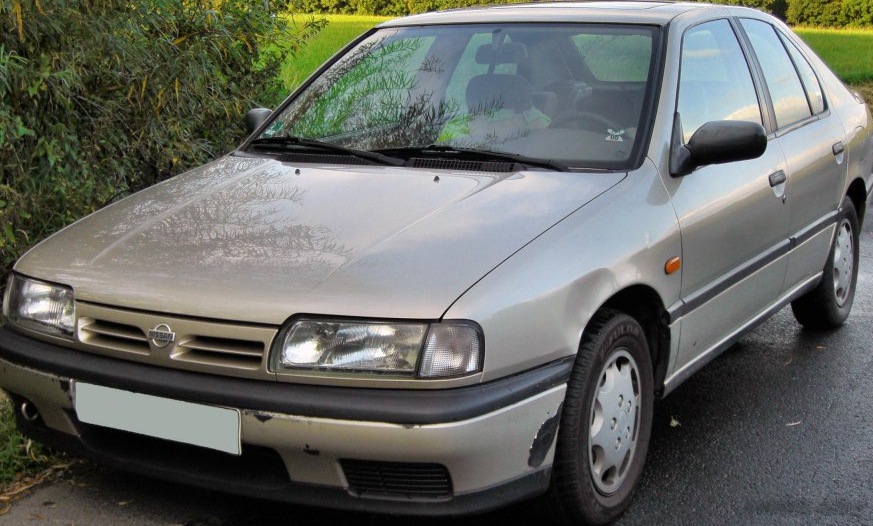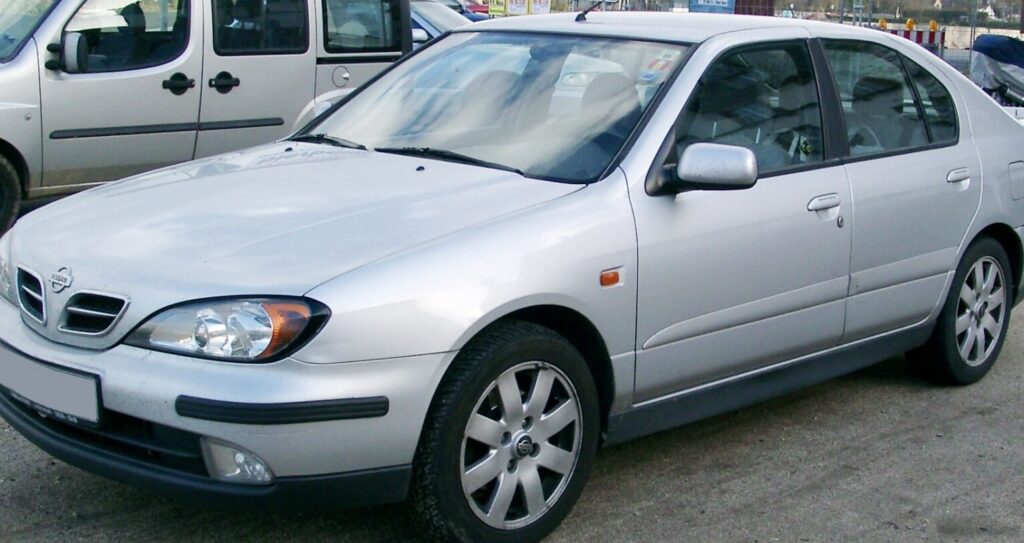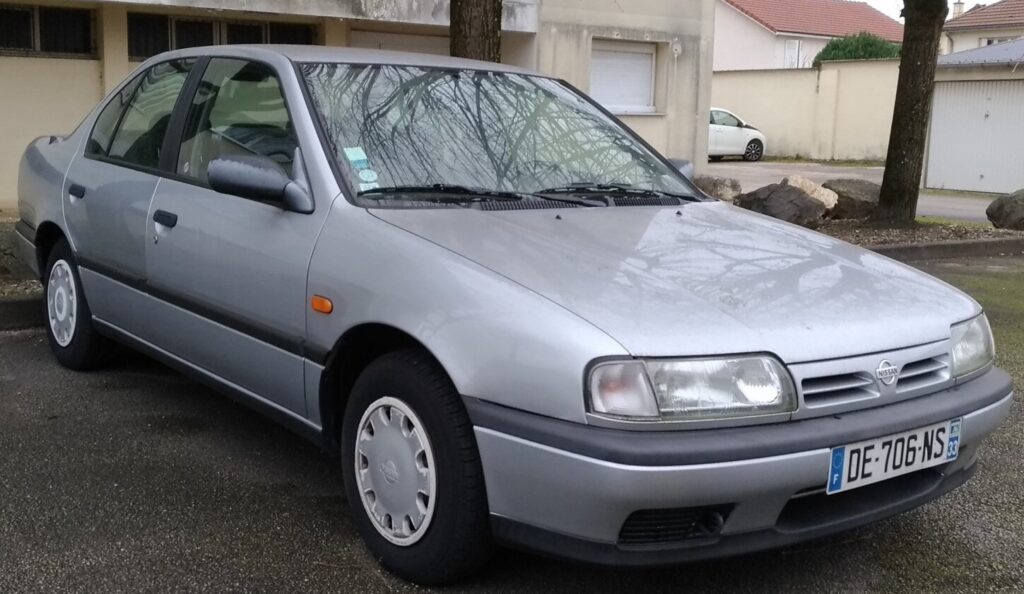
The Nissan Primera (P10), produced between 1991 and 1996, represented Nissan’s entry into the competitive mid-size family car segment in Europe and other international markets. Positioned as a more sophisticated alternative to the Sunny/Sentra, the P10 Primera aimed to offer a blend of comfort, practicality, and technological features. The 2.0 16V (115 hp) 4×4 variant, discussed here, occupied a mid-to-upper position within the P10 lineup, offering all-wheel drive capability and a more powerful engine option for buyers seeking enhanced performance and all-weather traction. It was a key model in establishing the Primera’s reputation for reliability and refinement.
Technical Specifications
| Brand | Nissan |
| Model | Primera |
| Generation | Primera (P10) |
| Type (Engine) | 2.0 16V (115 Hp) 4×4 |
| Start of production | 1991 |
| End of production | 1996 |
| Powertrain Architecture | Internal Combustion engine |
| Body type | Sedan |
| Fuel Type | Petrol (Gasoline) |
| Power | 115 Hp |
| Engine aspiration | Naturally aspirated engine |
| Engine oil capacity | 3.4 l (3.59 US qt | 2.99 UK qt) |
| Coolant capacity | 6.4 l (6.76 US qt | 5.63 UK qt) |
Powertrain & Engine Architecture
The heart of the Primera 2.0 16V 4×4 is the GA20DE engine, a 1998cc, naturally aspirated inline-four cylinder powerplant. This engine utilizes a cast iron block with an aluminum cylinder head, a common configuration for Nissan engines of the era. The “16V” designation refers to the four valves per cylinder (two intake and two exhaust), contributing to improved breathing and higher power output compared to engines with two valves per cylinder. Fuel delivery is managed by a multi-point fuel injection system, providing precise fuel metering for optimal combustion efficiency and reduced emissions. The GA20DE features a single overhead camshaft (SOHC) design, simplifying the valvetrain and reducing maintenance requirements.
The 4×4 system employed in this Primera variant is a viscous coupling-based system. This means that under normal driving conditions, the system operates primarily in front-wheel drive, enhancing fuel economy. When wheel slip is detected at the front wheels, the viscous coupling automatically engages the rear wheels, providing all-wheel drive traction. This system is fully automatic and requires no driver intervention. The transmission paired with the GA20DE in this model is a four-speed automatic, chosen for its convenience and ease of use, appealing to buyers prioritizing comfort over outright performance. While not offering the most modern gear ratios, it was a reliable unit for its time.
Driving Characteristics
The Primera 2.0 16V 4×4 offered a comfortable and refined driving experience. The 115 horsepower engine, while not exceptionally powerful, provided adequate acceleration for everyday driving situations. The four-speed automatic transmission, while smooth, did result in slightly slower acceleration times compared to the five-speed manual version. The all-wheel drive system significantly enhanced traction, particularly on slippery surfaces such as wet roads or snow. This made the Primera 2.0 16V 4×4 a more confident and secure vehicle to drive in inclement weather. The steering was light and precise, contributing to easy maneuverability. However, the suspension, while comfortable, was tuned more for ride quality than sporty handling. Compared to the base 1.6L models, the 2.0L offered a noticeable improvement in responsiveness, especially when fully loaded with passengers or cargo. The 4×4 system added weight, slightly impacting fuel economy and agility compared to front-wheel drive Primera models.
Equipment & Trim Levels
The 2.0 16V 4×4 trim typically included a generous level of standard equipment. Features commonly found in this variant included power windows, power steering, central locking, and an upgraded audio system. Interior upholstery was typically cloth, with options for higher-grade fabrics or leather available as upgrades. The dashboard layout was functional and well-organized, with easy-to-read gauges and intuitive controls. Optional extras included air conditioning, a sunroof, and alloy wheels. The level of equipment positioned this trim as a step above the base models, appealing to buyers seeking a more comfortable and well-equipped vehicle. The 4×4 system itself was often bundled with other convenience features, making it a desirable package for those living in regions with challenging weather conditions.
Chassis & Braking
The Primera P10 utilized a MacPherson strut front suspension and a multi-link rear suspension. This suspension setup provided a good balance between ride comfort and handling. The 2.0 16V 4×4 models generally featured slightly thicker stabilizer bars compared to the lower-spec models, helping to reduce body roll during cornering. Braking systems varied depending on the market and specific trim level. Most 2.0 16V 4×4 models were equipped with front disc brakes and rear drum brakes. Anti-lock Braking System (ABS) was often available as an option, enhancing braking performance and safety. The all-wheel drive system added weight to the vehicle, requiring a slightly more robust braking system to maintain adequate stopping power.
Market Reception & Comparison
The Nissan Primera P10, and specifically the 2.0 16V 4×4 variant, was generally well-received by automotive critics. It was praised for its comfortable ride, spacious interior, and reliable powertrain. The all-wheel drive system was seen as a significant advantage in regions with harsh winters or challenging road conditions. However, some critics noted that the Primera lacked the sporty driving dynamics of some of its competitors, such as the Ford Mondeo or Opel Vectra. Fuel economy was also considered average for its class. Compared to the 1.6L and 1.8L Primera models, the 2.0 16V 4×4 offered superior performance and all-weather capability, but at a higher price point. Compared to the diesel-powered Primera models, the 2.0L petrol engine provided smoother and quieter operation, but with lower fuel economy.
Legacy
The Nissan Primera P10, including the 2.0 16V 4×4 variant, has proven to be a durable and reliable vehicle. The GA20DE engine is known for its longevity and relatively low maintenance requirements. While finding parts for these older vehicles can sometimes be challenging, they are generally readily available. Today, the Primera P10 is considered a classic car by many enthusiasts. The 2.0 16V 4×4 models, in particular, are sought after by collectors and drivers who appreciate their all-wheel drive capability and refined driving experience. The P10 Primera laid the foundation for Nissan’s continued success in the mid-size family car segment, and its reputation for reliability continues to endure.