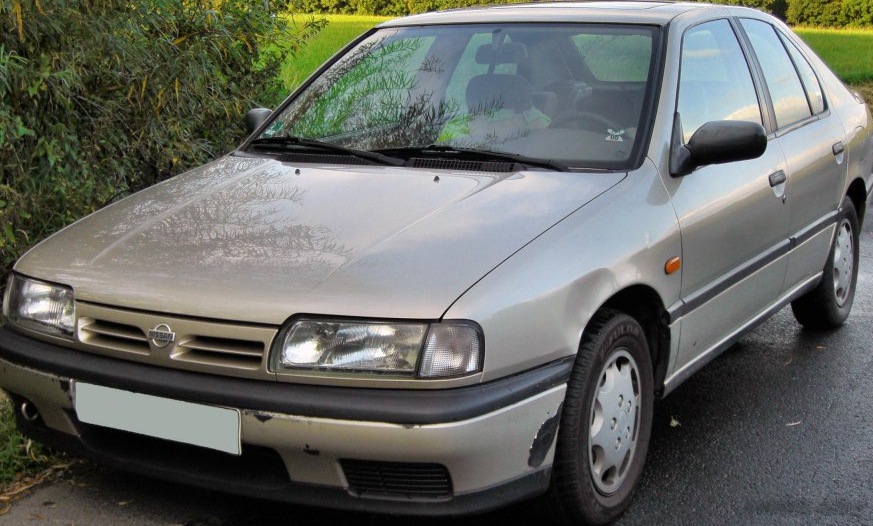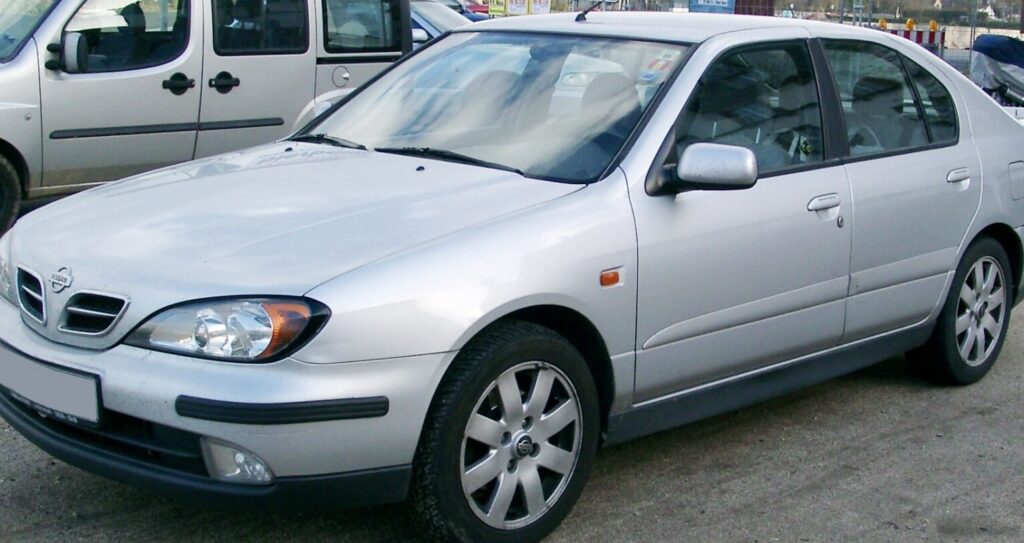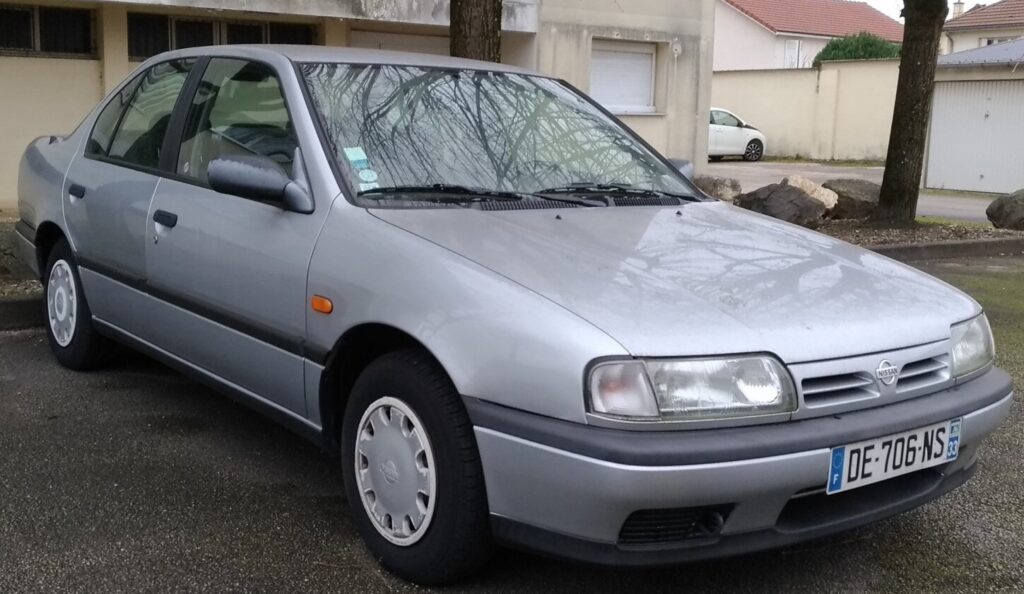
The Nissan Primera (P10) 2.0 16V Automatic, produced between 1990 and 1996, represented a significant step forward for Nissan’s mid-size family sedan. Part of the P10 Primera generation, this variant occupied a middle ground in the lineup, offering a balance between performance and comfort. It was primarily marketed in Europe, Australia, and parts of Asia, aiming to compete with established rivals like the Ford Mondeo and Opel Vectra. The P10 series, built on Nissan’s HS platform, was notable for its relatively spacious interior and focus on providing a refined driving experience. This 2.0-liter, 16-valve engine paired with an automatic transmission was designed to appeal to buyers prioritizing ease of use and a smooth ride over outright sporting performance.
Technical Specifications
| Brand | Nissan |
| Model | Primera |
| Generation | Primera (P10) |
| Type (Engine) | 2.0 16V (115 Hp) Automatic |
| Start of production | 1990 |
| End of production | 1996 |
| Powertrain Architecture | Internal Combustion engine |
| Body type | Sedan |
| Seats | 5 |
| Doors | 4 |
| Fuel consumption (combined) | 8.3 l/100 km |
| Fuel consumption (US mpg) | 28.3 US mpg |
| Fuel consumption (UK mpg) | 34 UK mpg |
| Fuel consumption (km/l) | 12 km/l |
| Fuel Type | Petrol (Gasoline) |
| Acceleration 0 – 100 km/h | 9.9 sec |
| Acceleration 0 – 62 mph | 9.9 sec |
| Acceleration 0 – 60 mph | 9.4 sec |
| Maximum speed | 200 km/h (124.27 mph) |
| Weight-to-power ratio | 10.4 kg/Hp |
| Weight-to-torque ratio | 7.2 kg/Nm |
| Power | 115 Hp @ 6000 rpm |
| Power per litre | 57.6 Hp/l |
| Torque | 166 Nm @ 4800 rpm (122.44 lb.-ft. @ 4800 rpm) |
| Engine layout | Front, Transverse |
| Engine displacement | 1998 cm3 (121.93 cu. in.) |
| Number of cylinders | 4 |
| Engine configuration | Inline |
| Cylinder Bore | 86 mm (3.39 in.) |
| Piston Stroke | 86 mm (3.39 in.) |
| Compression ratio | 9.5:1 |
| Number of valves per cylinder | 4 |
| Fuel injection system | Multi-port manifold injection |
| Engine aspiration | Naturally aspirated engine |
| Valvetrain | DOHC |
| Engine oil capacity | 3.4 l (3.59 US qt | 2.99 UK qt) |
| Coolant capacity | 6.4 l (6.76 US qt | 5.63 UK qt) |
| Kerb Weight | 1201 kg (2647.75 lbs.) |
| Max. weight | 1730 kg (3814 lbs.) |
| Max load | 529 kg (1166.25 lbs.) |
| Trunk (boot) space – minimum | 480 l (16.95 cu. ft.) |
| Fuel tank capacity | 60 l (15.85 US gal | 13.2 UK gal) |
| Length | 4400 mm (173.23 in.) |
| Width | 1700 mm (66.93 in.) |
| Height | 1390 mm (54.72 in.) |
| Wheelbase | 2550 mm (100.39 in.) |
| Front track | 1470 mm (57.87 in.) |
| Rear track | 1460 mm (57.48 in.) |
| Drivetrain Architecture | Front wheel drive |
| Number of gears | 4 |
| Gearbox type | Automatic transmission |
| Front suspension | Double wishbone |
| Rear suspension | Double wishbone |
| Front brakes | Ventilated discs |
| Rear brakes | Disc |
| Steering type | Steering rack and pinion |
| Power steering | Hydraulic Steering |
| Tires size | 185/65 R14 |
| Wheel rims size | 14 |
Powertrain & Engine Architecture
The heart of the Primera 2.0 16V Automatic was the GA20DE engine, a 1998cc inline-four cylinder powerplant. This engine featured a double overhead camshaft (DOHC) valvetrain with four valves per cylinder, contributing to its relatively high output for its displacement. The GA20DE utilized multi-port fuel injection, a common technology in the early 1990s, for precise fuel delivery. The engine’s 9.5:1 compression ratio was a compromise between performance and the ability to run on readily available fuel grades. Paired with this engine was a four-speed automatic transmission, designed for smooth and effortless gear changes. This transmission wasn’t known for its sportiness, prioritizing comfort and ease of driving over rapid acceleration. The automatic transmission’s gear ratios were tuned for fuel efficiency and relaxed cruising, rather than aggressive performance.
Driving Characteristics
The Primera 2.0 16V Automatic offered a comfortable and predictable driving experience. Acceleration from 0-60 mph took around 9.4 seconds, which was adequate for the time but not particularly brisk. The automatic transmission, while smooth, did detract from the engine’s potential, resulting in a noticeable delay in response compared to the five-speed manual version. The gear ratios were spaced to prioritize fuel economy, meaning the engine often felt strained during quick overtaking maneuvers. Compared to the more powerful 2.0 SRi model, the automatic version lacked the same level of responsiveness. However, it provided a more relaxed driving experience, particularly in urban traffic. The steering was light and precise, making it easy to maneuver, and the suspension provided a comfortable ride, absorbing bumps and imperfections in the road surface effectively.
Equipment & Trim Levels
The 2.0 16V Automatic trim typically included features such as central locking, electric windows, power steering, and an AM/FM radio. Higher-spec models could be equipped with optional extras like air conditioning, alloy wheels, and a sunroof. Interior upholstery was generally cloth, with a focus on durability and comfort. The dashboard layout was functional and straightforward, with clearly labeled controls. The trim level sat in the mid-range of the Primera lineup, offering a good balance of features and affordability. It was positioned above the base models but below the more sporty SRi variants.
Chassis & Braking
The Primera P10 featured independent double wishbone suspension on both the front and rear axles, providing a comfortable and controlled ride. The front brakes were ventilated discs, offering good stopping power, while the rear brakes were solid discs. The hydraulic power steering provided light and precise steering feel. The chassis was designed to prioritize comfort and stability, rather than outright handling prowess. Stabilizer bars were fitted to both axles to reduce body roll during cornering, but the overall setup was geared towards providing a smooth and predictable driving experience.
Market Reception & Comparison
The Nissan Primera 2.0 16V Automatic was generally well-received by automotive critics as a practical and comfortable family sedan. However, the automatic transmission was often criticized for its lack of responsiveness and its impact on fuel economy compared to the manual version. Compared to rivals like the Ford Mondeo and Opel Vectra, the Primera offered a slightly more refined interior and a more comfortable ride. Fuel economy was respectable for the time, averaging around 28.3 US mpg in combined driving. Reliability was generally good, although some owners reported issues with the automatic transmission over the long term.
Legacy
The Nissan Primera P10, particularly the 2.0 16V Automatic variant, has become a popular choice among classic car enthusiasts seeking a reliable and affordable family sedan. The GA20DE engine is known for its durability and relatively simple maintenance requirements. While the automatic transmission can be prone to wear and tear, it is generally repairable. Today, these vehicles are often found in good condition, offering a nostalgic glimpse into 1990s automotive design and engineering. The Primera P10 helped establish Nissan as a serious contender in the European mid-size sedan market, paving the way for future models like the Almera and Qashqai.