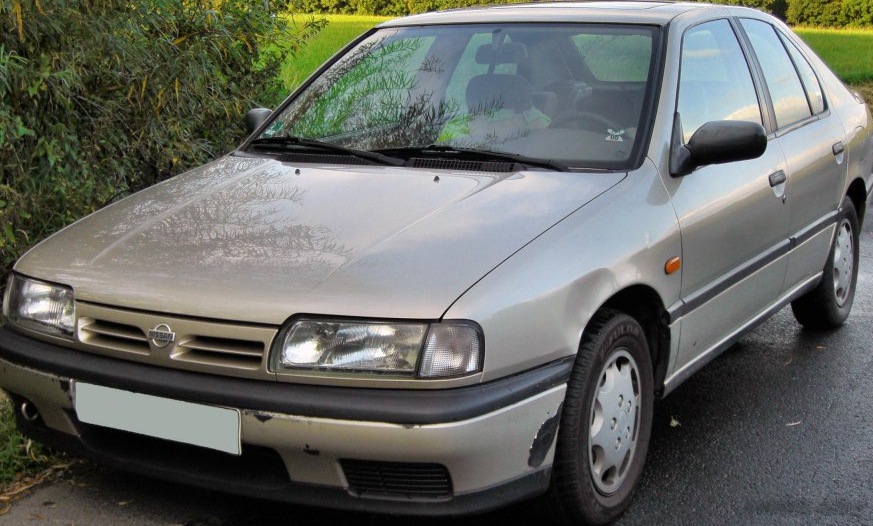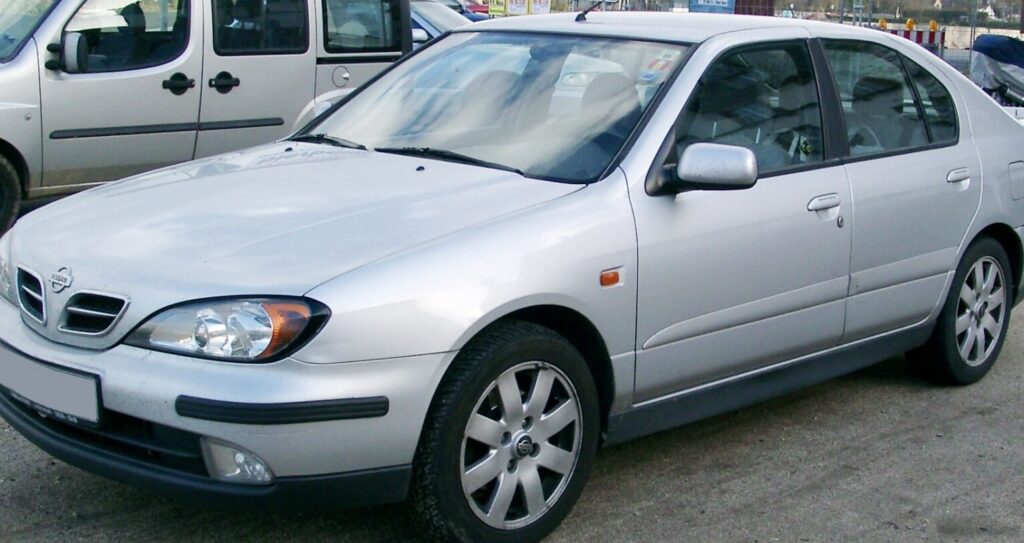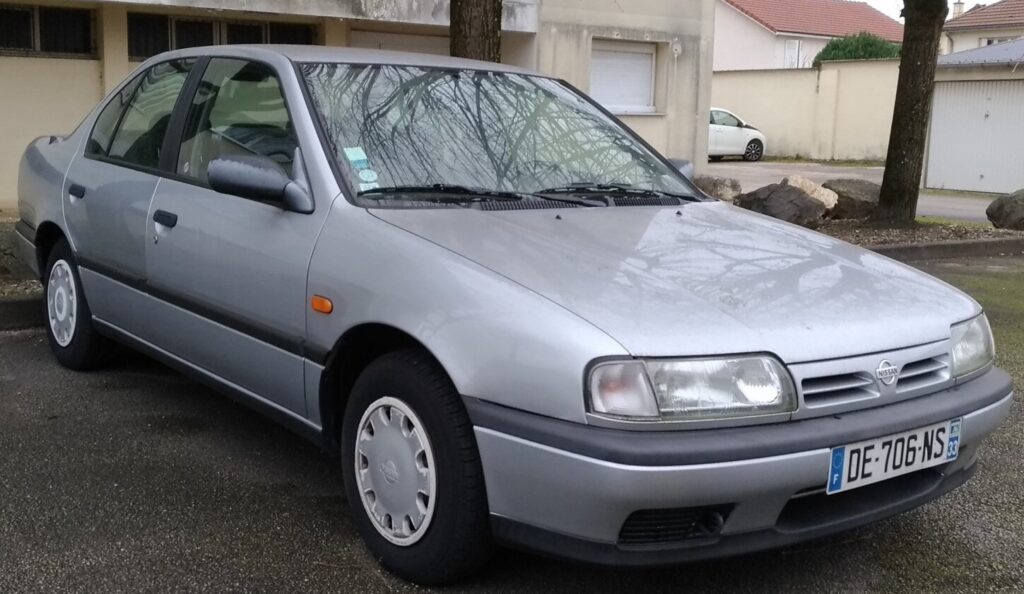
The Nissan Primera (P10), produced between 1995 and 1996, represented a significant step forward for Nissan’s mid-size family car offering. This generation, known internally as the P10, aimed to provide a more refined and technologically advanced alternative to established European and Japanese competitors. The 2.0i variant, powered by the SR20DE engine producing 125 horsepower, occupied a middle ground within the Primera P10 lineup, offering a balance between performance and affordability. It was positioned above the base 1.6L models and below the more powerful 2.0L variants with additional features. The P10 Primera was primarily marketed in Europe and other international markets, with limited sales in Nissan’s domestic Japanese market.
Technical Specifications
| Brand | Nissan |
| Model | Primera |
| Generation | Primera (P10) |
| Type (Engine) | 2.0 i (125 Hp) |
| Start of production | 1995 |
| End of production | 1996 |
| Powertrain Architecture | Internal Combustion engine |
| Body type | Sedan |
| Fuel Type | Petrol (Gasoline) |
| Power | 125 Hp |
| Engine Model/Code | SR20DE |
| Engine aspiration | Naturally aspirated engine |
| Engine oil capacity | 3.5 l (3.7 US qt | 3.08 UK qt) |
| Coolant capacity | 5.8 l (6.13 US qt | 5.1 UK qt) |
Powertrain & Engine Architecture
The heart of the Primera 2.0i was the SR20DE, a 1998cc, naturally aspirated, inline four-cylinder engine. This engine was a mainstay in Nissan’s lineup during the 1990s, known for its relative reliability and smooth power delivery. The SR20DE featured a cast iron block with an aluminum cylinder head, incorporating dual overhead camshafts (DOHC) and four valves per cylinder. Fuel delivery was managed by a multi-point fuel injection system, contributing to improved fuel efficiency and reduced emissions compared to earlier carbureted engines. The engine’s design prioritized a broad torque curve rather than peak horsepower, making it well-suited for everyday driving. The 125 hp output was achieved at 6000 rpm, while peak torque of approximately 138 lb-ft (187 Nm) was available at 4400 rpm. The transmission paired with the SR20DE in this variant was typically a four-speed automatic, although a five-speed manual was also available. The automatic transmission was designed for smooth shifts and ease of use, catering to drivers prioritizing comfort over sporty performance.
Driving Characteristics
The Primera 2.0i with the automatic transmission offered a comfortable and refined driving experience. Acceleration was adequate for most situations, with a 0-60 mph time estimated around 10-11 seconds. However, it wasn’t a particularly sporty car. The automatic transmission, while smooth, did detract from the engine’s potential, resulting in a slightly less responsive feel compared to the manual transmission version. Gear ratios were tuned for fuel economy and cruising comfort, rather than aggressive acceleration. The car felt stable and composed on the highway, with decent sound insulation contributing to a quiet cabin. Compared to the base 1.6L models, the 2.0i offered noticeably more power, making overtaking and merging onto highways significantly easier. Against higher-spec 2.0L models, the difference was less pronounced, with those versions often featuring additional equipment and sometimes slightly different engine tuning.
Equipment & Trim Levels
The 2.0i trim level of the Primera P10 typically included features such as power steering, central locking, electric windows, and an integrated stereo system. Air conditioning was often standard, though sometimes offered as an option depending on the specific market. Interior upholstery was generally cloth, with higher-grade fabrics available on some models. The dashboard layout was functional and straightforward, with clearly labeled controls. Optional extras included alloy wheels, a sunroof, and upgraded audio systems. Safety features, while not as comprehensive as modern standards, included anti-lock brakes (ABS) on some models and driver and passenger airbags. The overall interior ambiance was geared towards practicality and comfort, rather than luxury.
Chassis & Braking
The Primera P10 utilized a MacPherson strut front suspension and a multi-link rear suspension, providing a good balance between ride comfort and handling. The suspension was tuned to prioritize comfort, resulting in a relatively soft ride quality. Stabilizer bars were fitted to both the front and rear axles to reduce body roll during cornering. Braking systems varied depending on the market and trim level. Lower-spec models often featured disc brakes on the front wheels and drum brakes on the rear, while higher-spec models, including many 2.0i variants, were equipped with disc brakes all around. ABS was available as an option or standard on some trims. The braking performance was adequate for everyday driving, but not particularly sporty.
Market Reception & Comparison
The Nissan Primera P10 2.0i was generally well-received by automotive critics as a competent and reliable family car. It was praised for its comfortable ride, spacious interior, and smooth engine. However, it was often criticized for its somewhat bland styling and lack of a truly engaging driving experience. Compared to rivals such as the Ford Mondeo, Vauxhall/Opel Vectra, and Toyota Camry, the Primera offered a competitive package, particularly in terms of reliability and value for money. Fuel economy was respectable for its class, averaging around 28-32 mpg in mixed driving conditions. The 2.0i variant offered a good compromise between performance and fuel efficiency, making it a popular choice for drivers who wanted more power than the base 1.6L models without the higher running costs of the more powerful 2.0L trims.
Legacy
The Primera P10, and specifically the 2.0i variant, has proven to be a relatively durable and reliable car. The SR20DE engine is known for its longevity, provided it is properly maintained. Common issues include oil leaks and occasional sensor failures, but these are generally not major concerns. Today, the Primera P10 is becoming increasingly rare, and well-maintained examples are sought after by enthusiasts and collectors. The car represents a significant era in Nissan’s history, showcasing the company’s commitment to building comfortable, reliable, and technologically advanced family cars. While not a performance icon, the Primera 2.0i remains a testament to the engineering principles of the mid-1990s, offering a glimpse into a time when practicality and dependability were highly valued in the automotive world.