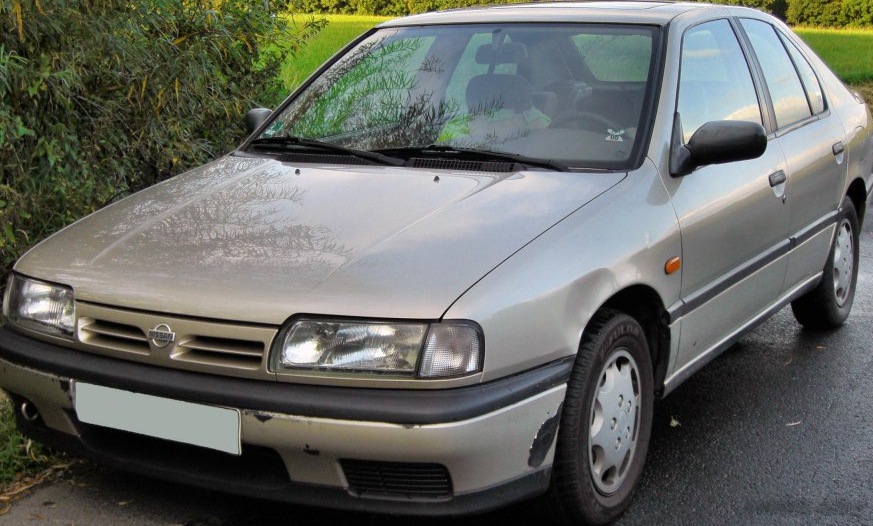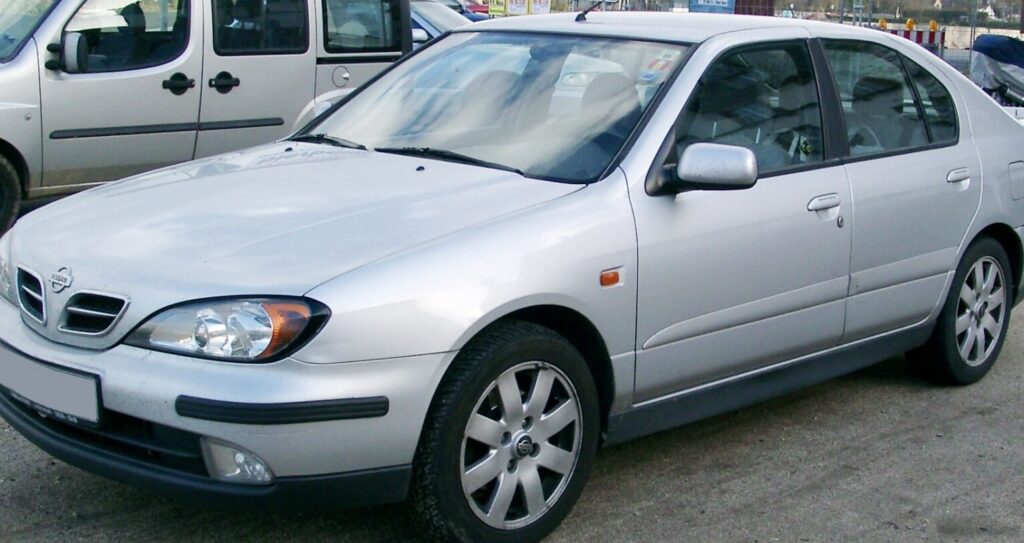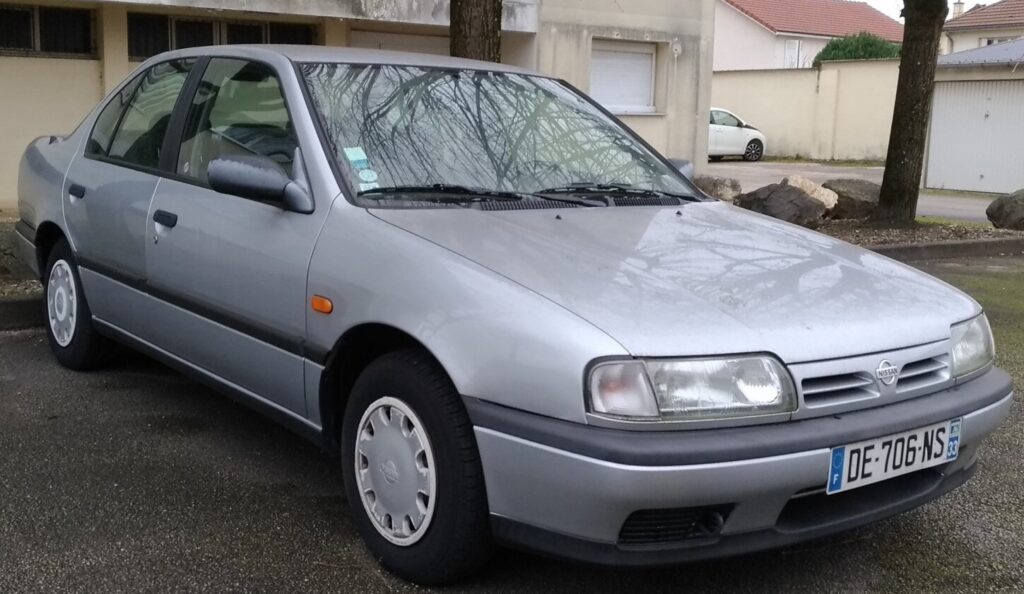
The Nissan Primera (P10) 2.0 TD, produced between 1996 and 1997, represented a diesel-powered offering within the broader P10 Primera range. Positioned as a more economical alternative to the gasoline-powered variants, the 2.0 TD aimed to appeal to drivers prioritizing fuel efficiency and long-distance comfort. The P10 generation Primera, launched in 1996, was a significant model for Nissan in the European market, offering a blend of practicality, refinement, and technology. This particular diesel variant, with its 90 horsepower output, occupied a mid-range position within the diesel lineup, offering a balance between performance and economy.
Technical Specifications
| Brand | Nissan |
| Model | Primera |
| Generation | Primera (P10) |
| Type (Engine) | 2.0 TD (90 Hp) |
| Start of production | 1996 |
| End of production | 1997 |
| Powertrain Architecture | Internal Combustion engine |
| Body type | Sedan |
| Seats | 5 |
| Doors | 4 |
| Fuel Type | Diesel |
| Acceleration 0 – 100 km/h | 13.9 sec |
| Acceleration 0 – 62 mph | 13.9 sec |
| Acceleration 0 – 60 mph | 13.2 sec |
| Maximum speed | 174 km/h (108.12 mph) |
| Weight-to-power ratio | 14 kg/Hp, 71.4 Hp/tonne |
| Weight-to-torque ratio | 7.1 kg/Nm, 140.5 Nm/tonne |
| Power | 90 Hp @ 4400 rpm |
| Power per litre | 45.6 Hp/l |
| Torque | 177 Nm @ 2400 rpm (130.55 lb.-ft. @ 2400 rpm) |
| Engine layout | Front, Transverse |
| Engine Model/Code | CD20T |
| Engine displacement | 1974 cm3 (120.46 cu. in.) |
| Number of cylinders | 4 |
| Engine configuration | Inline |
| Cylinder Bore | 84.5 mm (3.33 in.) |
| Piston Stroke | 88 mm (3.46 in.) |
| Compression ratio | 22.2:1 |
| Number of valves per cylinder | 4 |
| Fuel injection system | Precombustion chamber injection |
| Engine aspiration | Turbocharger |
| Valvetrain | OHC |
| Engine oil capacity | 5 l (5.28 US qt | 4.4 UK qt) |
| Coolant | 6.4 l (6.76 US qt | 5.63 UK qt) |
| Kerb Weight | 1260 kg (2777.82 lbs.) |
| Max. weight | 1735 kg (3825.02 lbs.) |
| Max load | 475 kg (1047.2 lbs.) |
| Trunk (boot) space – minimum | 490 l (17.3 cu. ft.) |
| Fuel tank capacity | 61 l (16.11 US gal | 13.42 UK gal) |
| Length | 4430 mm (174.41 in.) |
| Width | 1715 mm (67.52 in.) |
| Height | 1410 mm (55.51 in.) |
| Wheelbase | 2600 mm (102.36 in.) |
| Front track | 1470 mm (57.87 in.) |
| Rear (Back) track | 1450 mm (57.09 in.) |
| Drivetrain Architecture | The Internal combustion engine (ICE) drives the front wheels of the vehicle. |
| Drive wheel | Front wheel drive |
| Number of gears and type of gearbox | 5 gears, manual transmission |
| Front suspension | Double wishbone |
| Rear suspension | Double wishbone |
| Front brakes | Ventilated discs |
| Rear brakes | Disc |
| Assisting systems | ABS (Anti-lock braking system) |
| Steering type | Steering rack and pinion |
| Power steering | Hydraulic Steering |
| Tires size | 185/65 R14 |
Powertrain & Engine Architecture
The heart of the Primera 2.0 TD was the CD20T engine, a 1.974-liter inline-four cylinder diesel. This engine utilized a precombustion chamber injection system, a common technology for diesel engines of the era, designed to improve combustion efficiency and reduce noise. The CD20T was turbocharged, which helped to boost power output to 90 horsepower and 177 Nm (130.55 lb-ft) of torque. The engine featured an overhead camshaft (OHC) valvetrain, operating four valves per cylinder. The five-speed manual transmission was the standard offering, providing a relatively long-legged gearing setup optimized for fuel economy and highway cruising. The engine’s design prioritized durability and low-end torque, characteristics valued in a diesel engine intended for everyday use.
Driving Characteristics
The Primera 2.0 TD, with its 90 horsepower and manual transmission, offered a driving experience focused on practicality rather than outright performance. Acceleration to 60 mph took around 13.2 seconds, and top speed was approximately 108 mph. While not particularly quick, the engine delivered a useful amount of torque from low engine speeds, making it suitable for navigating city streets and tackling inclines. The long gearing of the five-speed manual transmission meant that the engine rarely felt strained at highway speeds, contributing to a comfortable and relatively quiet ride. Compared to the gasoline-powered Primera variants, the 2.0 TD offered significantly better fuel economy, but at the expense of acceleration and overall responsiveness. The manual transmission provided a more engaging driving experience than an automatic would have, allowing drivers to better control the engine’s power delivery.
Equipment & Trim Levels
The Primera 2.0 TD typically came equipped with a reasonable level of standard features, reflecting its position as a mainstream family sedan. Standard equipment generally included power steering, central locking, electric front windows, and an AM/FM radio. Interior upholstery was typically cloth, with a functional and durable design. Optional extras could include air conditioning, alloy wheels, and a more advanced audio system. Trim levels varied depending on the specific market, but the 2.0 TD generally represented a mid-range offering, bridging the gap between the more basic models and the higher-specification trims.
Chassis & Braking
The Primera P10 featured a fully independent suspension system, utilizing double wishbones at both the front and rear. This setup provided a good balance between ride comfort and handling. The front brakes were ventilated discs, offering good stopping power, while the rear brakes were solid discs. Anti-lock Braking System (ABS) was standard, enhancing safety by preventing wheel lockup during hard braking. The chassis was designed to provide a stable and predictable driving experience, prioritizing comfort and control over sporty handling. Stabilizer bars were fitted to both the front and rear axles to reduce body roll during cornering.
Market Reception & Comparison
The Nissan Primera 2.0 TD was generally well-received by automotive critics as a practical and economical family car. Its fuel efficiency was a major selling point, particularly in Europe where diesel fuel was often cheaper than gasoline. However, some reviewers noted that the engine was somewhat noisy and lacked the refinement of some of its competitors. Compared to the gasoline-powered Primera variants, the 2.0 TD offered significantly better fuel economy but less performance. Compared to other diesel-powered sedans in its class, such as the Ford Mondeo TD and the Volkswagen Passat TDI, the Primera 2.0 TD offered a competitive combination of price, fuel economy, and equipment.
Legacy
The Nissan Primera P10 2.0 TD, while not a particularly iconic model, proved to be a reliable and durable vehicle. The CD20T engine, when properly maintained, is known for its longevity. Today, these vehicles are relatively rare, but those that remain are often sought after by enthusiasts looking for a classic diesel sedan. The Primera P10 helped to establish Nissan as a credible player in the European family car market, and its blend of practicality, refinement, and fuel efficiency continues to be appreciated by owners and enthusiasts alike. The 2.0 TD variant, in particular, represents a sensible and economical choice for those seeking a classic diesel vehicle.