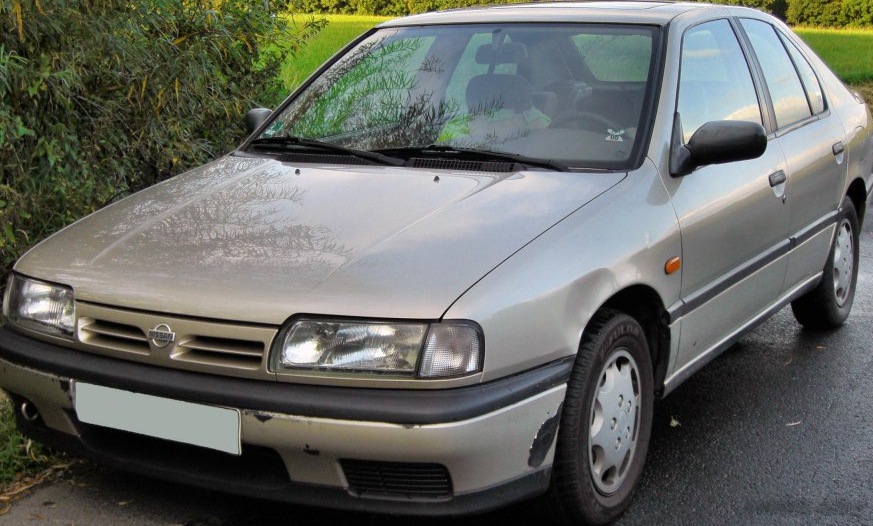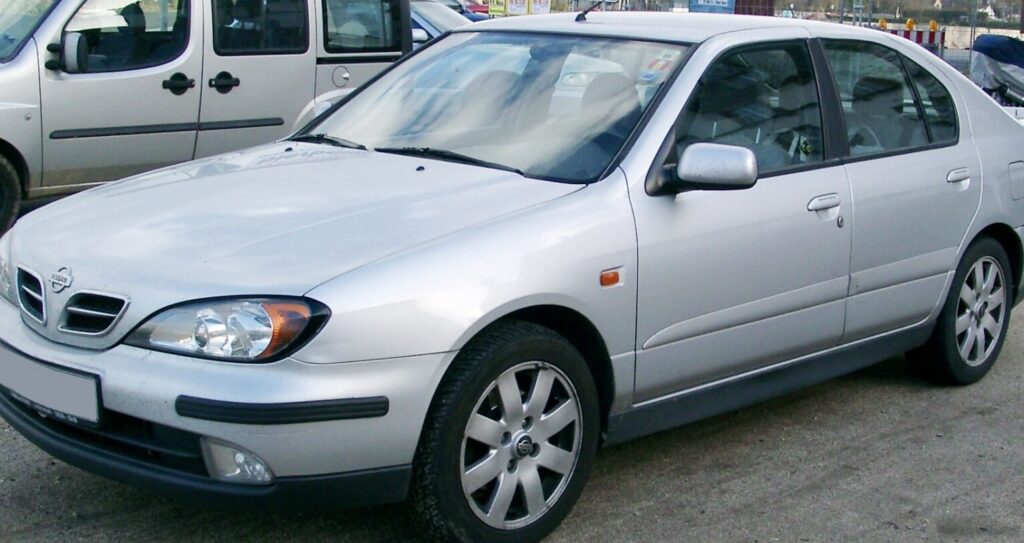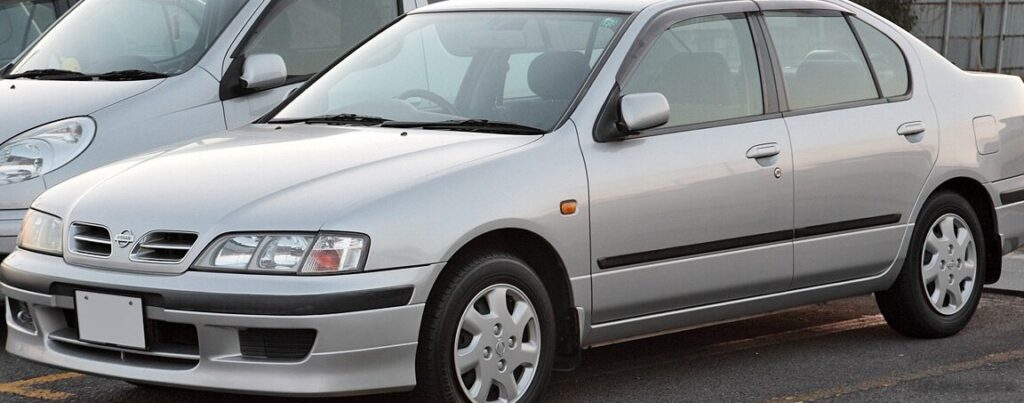
The Nissan Primera (P11) 1.6 16V, produced between 1996 and 2000, represented the entry point into the third generation of Nissan’s mid-size family sedan. Positioned within the P11 chassis family – which also included 2.0L and turbocharged variants – the 1.6L model was primarily aimed at buyers prioritizing fuel efficiency and affordability over outright performance. The P11 Primera was a significant model for Nissan, representing a move towards more contemporary styling and improved refinement compared to its predecessors. It was largely a European market vehicle, with limited sales in North America, where Nissan focused on the Altima. This variant, with its 90 horsepower output and typically paired automatic transmission, offered a comfortable and practical option for everyday commuting and family transport.
Technical Specifications
| Brand | Nissan |
| Model | Primera |
| Generation | Primera (P11) |
| Type (Engine) | 1.6 16V (90 Hp) |
| Start of production | 1996 |
| End of production | 2000 |
| Powertrain Architecture | Internal Combustion engine |
| Body type | Sedan |
| Fuel Type | Petrol (Gasoline) |
| Power | 90 Hp |
| Engine Model/Code | GA16DE |
| Engine aspiration | Naturally aspirated engine |
| Engine oil capacity | 3.3 l (3.49 US qt | 2.9 UK qt) |
| Coolant capacity | 5.5 l (5.81 US qt | 4.84 UK qt) |
Powertrain & Engine Architecture
The heart of the Primera 1.6 16V was the GA16DE engine, a 1.6-liter, inline-four cylinder powerplant. This engine belonged to Nissan’s ‘E’ series, known for its relatively simple design and durability. The ‘DE’ designation indicated dual overhead camshafts (DOHC) and electronic fuel injection. The GA16DE featured a multi-point fuel injection system, delivering fuel to each cylinder individually for improved efficiency and reduced emissions. The engine utilized a timing chain rather than a belt, contributing to lower maintenance costs over the long term. The 16-valve configuration, with four valves per cylinder, aided in improved breathing and a broader torque curve, although peak power remained modest at 90 horsepower. The automatic transmission typically paired with this engine was a four-speed unit, offering smooth shifts but prioritizing fuel economy over sporty performance. While a five-speed manual transmission was available on some Primera models, it was less common with the 1.6L engine, particularly in markets where automatic transmissions were preferred.
Driving Characteristics
The Primera 1.6 16V Automatic offered a comfortable, if not particularly exhilarating, driving experience. Acceleration was adequate for everyday driving, but overtaking maneuvers required careful planning. The four-speed automatic transmission, while smooth, had relatively widely spaced gear ratios, which could result in the engine feeling strained during quick acceleration. The power delivery was linear, with peak torque arriving at a moderate engine speed. Compared to the 2.0L Primera variants, the 1.6L felt noticeably less powerful, especially when fully loaded with passengers and luggage. The suspension was tuned for comfort, providing a compliant ride over most road surfaces. However, this comfort came at the expense of handling sharpness; the Primera 1.6 wasn’t designed for spirited cornering. The steering was light and easy to use, making it well-suited for urban driving.
Equipment & Trim Levels
The Primera 1.6 16V typically served as the base trim level, offering a reasonable level of standard equipment. Features commonly included central locking, power windows, power steering, and an AM/FM radio. Air conditioning was often standard, but sometimes offered as an optional extra depending on the specific market. Interior upholstery was typically cloth, with a relatively simple dashboard layout. Higher trim levels, such as the SE or LX, added features like alloy wheels, upgraded audio systems, and more luxurious interior trim. Optional extras available for the 1.6L model included a sunroof, upgraded sound system, and metallic paint finishes. Safety features were relatively basic for the time, typically including driver and passenger airbags and ABS brakes on some models.
Chassis & Braking
The Primera P11 utilized a front-engine, front-wheel-drive layout. The suspension consisted of MacPherson struts at the front and a multi-link setup at the rear, providing a good balance of ride comfort and handling. The braking system typically featured disc brakes at the front and drum brakes at the rear, which was common for vehicles in this class at the time. Anti-lock Braking System (ABS) was available, often as an optional extra or standard on higher trim levels. Stabilizer bars were fitted to both the front and rear axles to reduce body roll during cornering. The chassis was designed to provide a stable and predictable driving experience, prioritizing comfort and safety over outright performance.
Market Reception & Comparison
The Nissan Primera 1.6 16V was generally well-received as a practical and affordable family sedan. Critics praised its comfortable ride, spacious interior, and reasonable fuel economy. However, it was often criticized for its lack of performance compared to rivals like the Ford Mondeo and Volkswagen Passat. The 1.6L engine was considered adequate for everyday driving, but it lacked the punch of the larger engines offered in the Primera lineup, such as the 2.0L variants. In terms of fuel economy, the 1.6L Automatic typically achieved around 30-35 mpg on the combined cycle, making it a relatively economical choice. Reliability was generally good, with the GA16DE engine proving to be a durable and long-lasting unit. Compared to the 1.9 TDI diesel variant, the 1.6L petrol engine offered less torque but was generally quieter and smoother.
Legacy
The Primera P11, including the 1.6 16V variant, established Nissan as a serious contender in the European mid-size sedan market. While the Primera was eventually replaced by the Qashqai and X-Trail in many markets, the P11 remains a popular choice among used car buyers seeking a reliable and affordable family vehicle. The GA16DE engine, in particular, has a reputation for longevity and relatively low maintenance costs. Today, well-maintained examples of the Primera 1.6 16V can still be found on the road, offering a comfortable and practical driving experience for those seeking a classic Japanese sedan. Parts availability is generally good, although some trim-specific components may be more difficult to source. The car represents a solid, if unspectacular, example of 1990s Japanese automotive engineering.