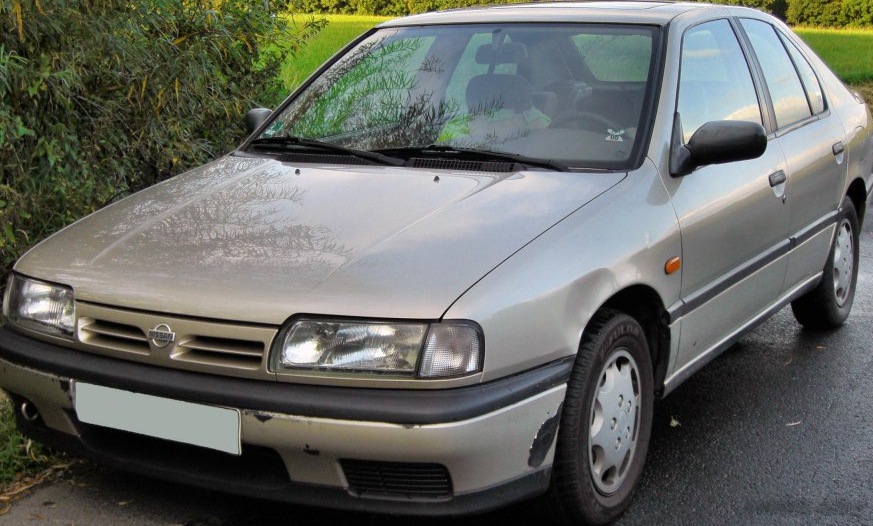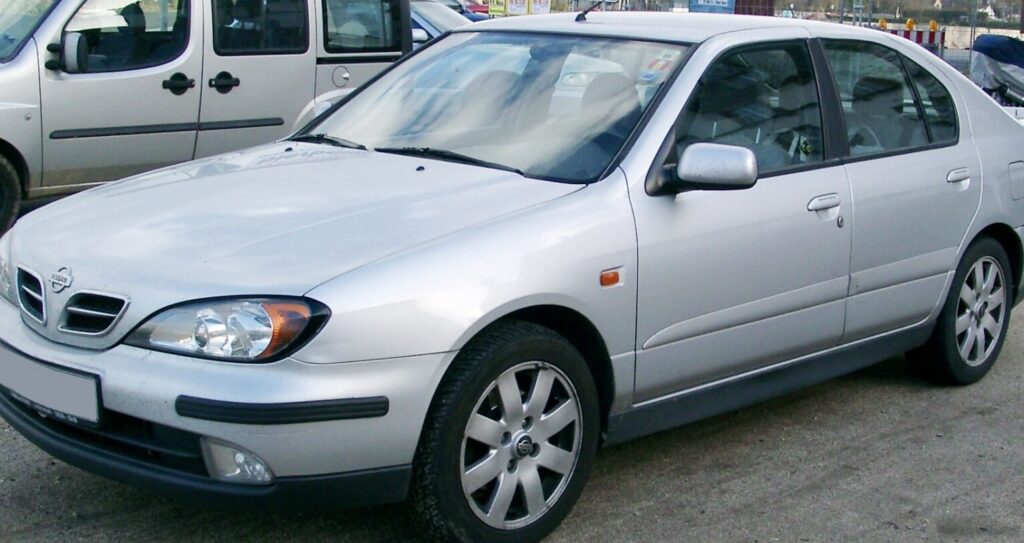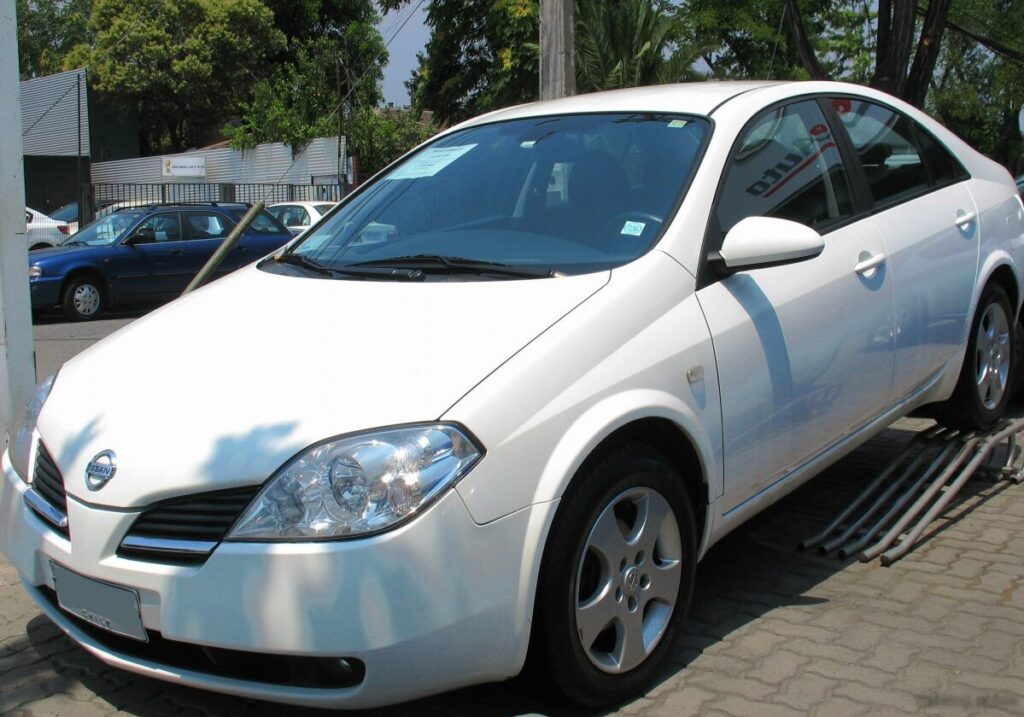
The Nissan Primera (P12) 2.0 i 16V, equipped with a Continuously Variable Transmission (CVT), was a mid-size sedan produced by Nissan between April 2002 and March 2007. Positioned as a comfortable and technologically advanced offering in the European and Asian markets, the P12 Primera aimed to compete with established rivals like the Ford Mondeo, Volkswagen Passat, and Toyota Avensis. This particular 2.0-liter variant represented a step up from the base models, offering a balance between performance and fuel efficiency, while the CVT transmission provided a smooth, if somewhat unconventional, driving experience for the time. It was a key part of Nissan’s strategy to modernize its image and appeal to a broader customer base.
Technical Specifications
| Brand | Nissan |
| Model | Primera |
| Generation | Primera (P12) |
| Type (Engine) | 2.0 i 16V (140 Hp) CVT |
| Start of production | April, 2002 |
| End of production | March, 2007 |
| Powertrain Architecture | Internal Combustion engine |
| Body type | Sedan |
| Seats | 5 |
| Doors | 4 |
| Fuel consumption (urban) | 11.9 l/100 km (19.8 US mpg, 23.7 UK mpg, 8.4 km/l) |
| Fuel consumption (extra urban) | 7 l/100 km (33.6 US mpg, 40.4 UK mpg, 14.3 km/l) |
| Fuel consumption (combined) | 8.8 l/100 km (26.7 US mpg, 32.1 UK mpg, 11.4 km/l) |
| Fuel Type | Petrol (Gasoline) |
| Acceleration 0 – 100 km/h | 10.9 sec |
| Acceleration 0 – 62 mph | 10.9 sec |
| Acceleration 0 – 60 mph | 10.4 sec |
| Maximum speed | 191 km/h (118.68 mph) |
| Weight-to-power ratio | 9.6 kg/Hp, 103.7 Hp/tonne |
| Weight-to-torque ratio | 7 kg/Nm, 142.2 Nm/tonne |
| Power | 140 Hp @ 6000 rpm |
| Power per litre | 70.1 Hp/l |
| Torque | 192 Nm @ 4000 rpm (141.61 lb.-ft. @ 4000 rpm) |
| Engine layout | Front, Transverse |
| Engine Model/Code | QR20DE |
| Engine displacement | 1998 cm3 (121.93 cu. in.) |
| Number of cylinders | 4 |
| Engine configuration | Inline |
| Cylinder Bore | 89 mm (3.5 in.) |
| Piston Stroke | 80.3 mm (3.16 in.) |
| Compression ratio | 9.9:1 |
| Number of valves per cylinder | 4 |
| Fuel injection system | Multi-port manifold injection |
| Engine aspiration | Naturally aspirated engine |
| Valvetrain | DOHC |
| Engine oil capacity | 3.9 l (4.12 US qt | 3.43 UK qt) |
| Kerb Weight | 1350 kg (2976.24 lbs.) |
| Max. weight | 1910 kg (4210.83 lbs.) |
| Max load | 560 kg (1234.59 lbs.) |
| Trunk (boot) space – minimum | 450 l (15.89 cu. ft.) |
| Fuel tank capacity | 62 l (16.38 US gal | 13.64 UK gal) |
| Length | 4565 mm (179.72 in.) |
| Width | 1760 mm (69.29 in.) |
| Height | 1480 mm (58.27 in.) |
| Wheelbase | 2680 mm (105.51 in.) |
| Front track | 1530 mm (60.24 in.) |
| Rear (Back) track | 1535 mm (60.43 in.) |
| Drivetrain Architecture | The Internal combustion engine (ICE) drives the front wheels of the vehicle. |
| Drive wheel | Front wheel drive |
| Number of gears and type of gearbox | automatic transmission CVT |
| Front suspension | Double wishbone |
| Rear suspension | Coil spring |
| Front brakes | Ventilated discs |
| Rear brakes | Disc |
| Assisting systems | ABS (Anti-lock braking system) |
| Steering type | Steering rack and pinion |
| Power steering | Hydraulic Steering |
| Tires size | 205/60 R16 |
| Wheel rims size | 16 |
Powertrain & Engine Architecture
The heart of the Primera 2.0 i 16V was the QR20DE engine, a 1.998-liter inline-four cylinder powerplant. This engine featured multi-port fuel injection and a double overhead camshaft (DOHC) valvetrain, contributing to its relatively smooth operation and respectable power output. The QR20DE was known for its durability and relatively straightforward maintenance. The engine’s 9.9:1 compression ratio was a typical value for naturally aspirated gasoline engines of the era, balancing performance and fuel efficiency. Paired with this engine was Nissan’s Xtronic CVT (Continuously Variable Transmission). Unlike traditional automatic transmissions with fixed gear ratios, a CVT uses a belt and pulley system to provide an infinite number of gear ratios within a certain range. This resulted in exceptionally smooth acceleration and optimized engine operation for fuel economy. However, early CVTs sometimes received criticism for a “rubber band” feel during acceleration, where engine RPM would rise without a corresponding increase in vehicle speed.
Driving Characteristics
The 2.0 i 16V CVT Primera offered a comfortable and refined driving experience. The CVT transmission eliminated the harsh shifts associated with traditional automatics, providing seamless acceleration. While the 140 horsepower output wasn’t particularly exhilarating, it was adequate for everyday driving and highway cruising. Acceleration from 0-60 mph took around 10.4 seconds, which was competitive for its class. The CVT’s programming prioritized fuel efficiency, meaning the engine often operated at lower RPMs, which could sometimes feel sluggish when quick acceleration was needed. Compared to the manual transmission versions of the Primera, the CVT offered less driver engagement but greater convenience. It also differed significantly from the higher-performance 2.0 Visia models, which offered more power and a sportier driving experience.
Equipment & Trim Levels
The 2.0 i 16V CVT typically came with a good level of standard equipment. This included air conditioning, power windows and mirrors, central locking, an integrated stereo system, and ABS brakes. Higher trim levels added features like alloy wheels, a sunroof, leather upholstery, and automatic climate control. Interior upholstery was generally cloth, with options for upgraded materials. The dashboard layout was functional and ergonomically designed, prioritizing ease of use. Optional extras included a navigation system and upgraded audio systems.
Chassis & Braking
The Primera P12 utilized a front-engine, front-wheel-drive layout. The front suspension employed a double wishbone design, providing good handling and ride comfort. The rear suspension featured a coil spring setup. Braking duties were handled by ventilated discs at the front and solid discs at the rear. ABS (Anti-lock Braking System) was standard, enhancing safety. The steering was rack and pinion with hydraulic power assistance, offering a responsive and precise feel.
Market Reception & Comparison
The Nissan Primera P12 2.0 i 16V CVT was generally well-received by automotive critics. It was praised for its comfortable ride, spacious interior, and smooth CVT transmission. However, some reviewers noted the CVT’s lack of responsiveness and the engine’s modest power output. Compared to other trims in the Primera lineup, the 2.0 i 16V CVT offered a good balance between price, performance, and fuel economy. It was more affordable than the higher-powered Visia models but offered more refinement than the base 1.6-liter variants. Fuel economy was a strong point, averaging around 26.7 US mpg in combined driving.
Legacy
The QR20DE engine proved to be a reliable and durable unit, and many Primera 2.0 i 16V models are still on the road today. The CVT transmission, while innovative for its time, has a more mixed reputation. Early CVT units were known to have some reliability issues, but later revisions proved more dependable. In the used car market, the Primera P12 2.0 i 16V CVT represents a good value proposition for buyers seeking a comfortable, practical, and relatively affordable mid-size sedan. Maintenance costs are generally reasonable, and parts availability is still good. However, potential buyers should be aware of the CVT’s potential for issues and ensure it has been properly maintained.