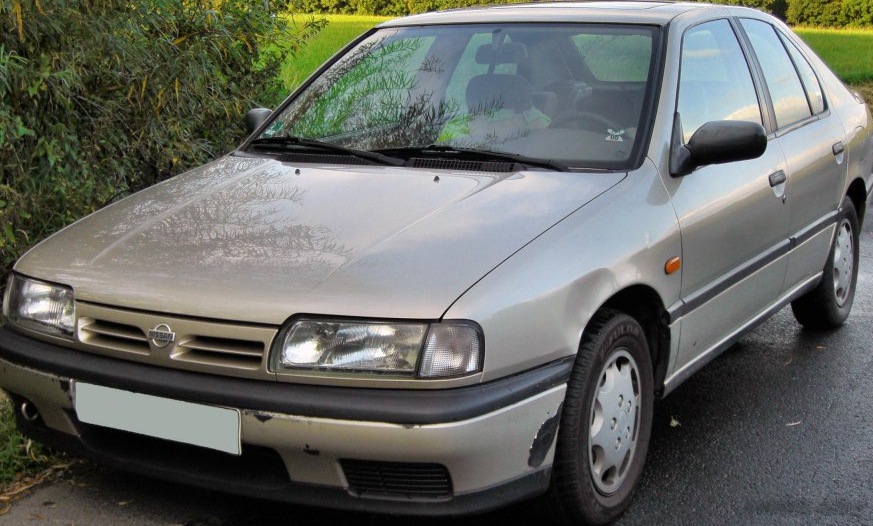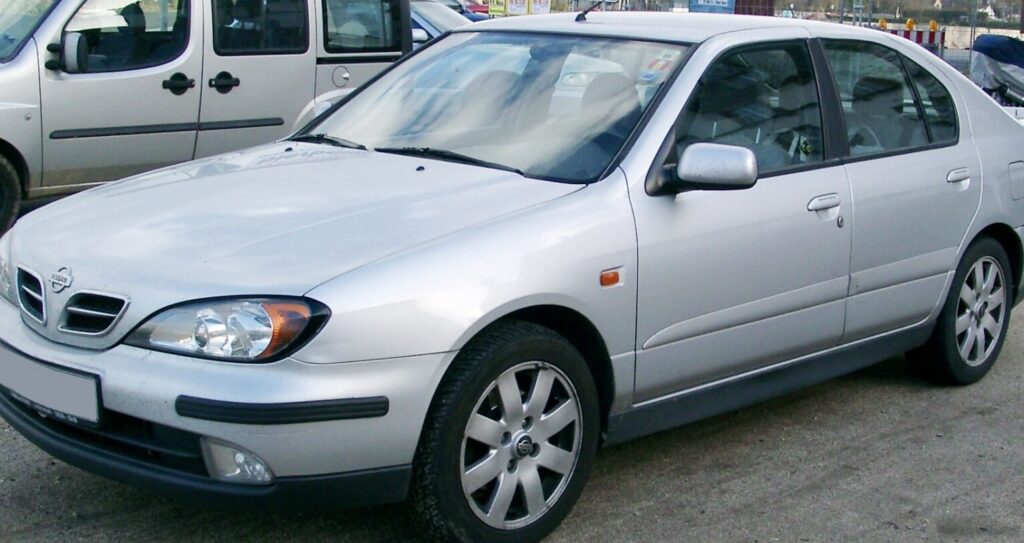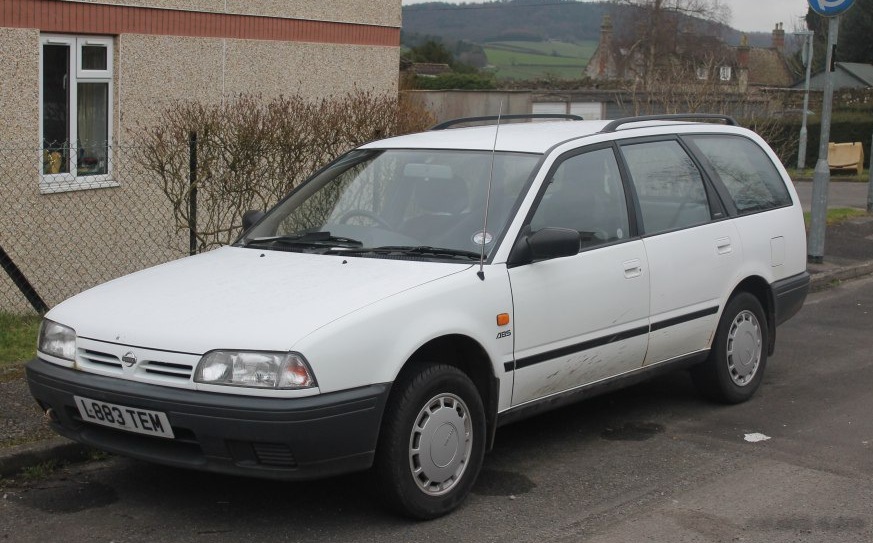
The Nissan Primera Wagon (P10) 1.6i, produced between 1993 and 1996, represented a practical and relatively affordable entry point into Nissan’s European-market lineup of family wagons. Positioned as a competitor to vehicles like the Ford Mondeo Estate and Vauxhall/Opel Vectra Estate, the P10 Primera Wagon offered a spacious interior and a focus on comfort. The 1.6i variant, generating 102 horsepower, was typically the base engine option, aimed at buyers prioritizing fuel economy and everyday usability over outright performance. It was part of the broader P10 Primera range, which also included larger engine options and sedan body styles, all built on Nissan’s ‘H’ platform.
Technical Specifications
| Brand | Nissan |
| Model | Primera |
| Generation | Primera Wagon (P10) |
| Type (Engine) | 1.6 i (102 Hp) |
| Start of production | 1993 |
| End of production | 1996 |
| Powertrain Architecture | Internal Combustion engine |
| Body type | Station wagon (estate) |
| Seats | 5 |
| Doors | 4 |
| Fuel consumption (urban) | 9 l/100 km (26.1 US mpg, 31.4 UK mpg, 11.1 km/l) |
| Fuel consumption (extra urban) | 6 l/100 km (39.2 US mpg, 47.1 UK mpg, 16.7 km/l) |
| Fuel consumption (combined) | 7.3 l/100 km (32.2 US mpg, 38.7 UK mpg, 13.7 km/l) |
| Fuel Type | Petrol (Gasoline) |
| Acceleration 0 – 100 km/h | 10.8 sec |
| Acceleration 0 – 62 mph | 10.8 sec |
| Acceleration 0 – 60 mph | 10.3 sec |
| Maximum speed | 190 km/h (118.06 mph) |
| Weight-to-power ratio | 11.7 kg/Hp, 85.7 Hp/tonne |
| Weight-to-torque ratio | 8.8 kg/Nm, 114.3 Nm/tonne |
| Power | 102 Hp @ 6000 rpm |
| Power per litre | 63.9 Hp/l |
| Torque | 136 Nm @ 4000 rpm (100.31 lb.-ft. @ 4000 rpm) |
| Engine layout | Front, Transverse |
| Engine Model/Code | GA16DE |
| Engine displacement | 1597 cm3 (97.45 cu. in.) |
| Number of cylinders | 4 |
| Engine configuration | Inline |
| Compression ratio | 9.8:1 |
| Number of valves per cylinder | 4 |
| Fuel injection system | Multi-port manifold injection |
| Engine aspiration | Naturally aspirated |
| Kerb Weight | 1190 kg (2623.5 lbs) |
| Fuel tank capacity | 60 l (15.85 US gal | 13.2 UK gal) |
| Minimum turning circle | 10 m (32.81 ft) |
| Drivetrain Architecture | ICE, Front Wheel Drive |
| Drive wheel | Front wheel drive |
| Number of gears | 5 |
| Gearbox type | Manual transmission |
| Front suspension | Wishbone |
| Rear suspension | Independent coil spring |
| Front brakes | Ventilated discs |
| Rear brakes | Drum |
| Assisting systems | ABS (Anti-lock braking system) |
| Steering type | Steering rack and pinion |
| Power steering | Hydraulic |
| Tires size | 175/75 R14 |
| Wheel rims size | 5.5J 14 PCD 4×114.3 |
Powertrain & Engine Architecture
The heart of the Primera Wagon 1.6i was the GA16DE engine, a 1.6-liter inline-four cylinder gasoline engine. This engine was a common sight in Nissan’s global lineup during the early to mid-1990s. It featured a single overhead camshaft (SOHC) design with four valves per cylinder, and utilized multi-point fuel injection for improved efficiency and responsiveness. The GA16DE was known for its relative simplicity and durability, though it wasn’t a particularly high-performance unit. The engine produced 102 horsepower at 6000 rpm and 136 Nm (100.31 lb-ft) of torque at 4000 rpm. The engine was transversely mounted in the front of the vehicle, driving the front wheels. The standard transmission was a five-speed manual, although a four-speed automatic transmission was also available, albeit less common in this trim level.
Driving Characteristics
The 1.6i Primera Wagon, particularly with the manual transmission, offered a reasonably engaging driving experience for its class. However, with 102 horsepower propelling around 1190 kg (2623.5 lbs), acceleration was modest. The 0-60 mph time of around 10.3 seconds reflects this. The engine felt relatively strained when pushed hard, especially when fully loaded with passengers and luggage. The five-speed manual gearbox was well-matched to the engine’s characteristics, allowing drivers to keep the engine in its optimal power band. The automatic transmission, while offering convenience, further dulled acceleration and increased fuel consumption. Steering was light and precise, making the car easy to maneuver in urban environments. The suspension provided a comfortable ride, absorbing bumps and imperfections in the road surface effectively.
Equipment & Trim Levels
The 1.6i Primera Wagon typically represented the entry-level trim in the range. Standard equipment generally included power steering, central locking, electric front windows, and an adjustable steering column. Interior upholstery was typically cloth, and the dashboard featured a functional, if somewhat basic, design. Optional extras included air conditioning, a sunroof, and upgraded audio systems. Higher trim levels, such as the 2.0i, offered more luxurious features like leather upholstery, alloy wheels, and a more sophisticated audio system.
Chassis & Braking
The Primera Wagon utilized a front-wheel-drive layout with independent suspension at all four corners. The front suspension employed a MacPherson strut design, while the rear featured an independent coil spring setup. This configuration provided a good balance between ride comfort and handling. Braking was handled by ventilated discs at the front and drum brakes at the rear. Anti-lock Braking System (ABS) was standard, enhancing safety by preventing wheel lockup during hard braking. The steering system was a rack-and-pinion type, providing precise and responsive steering feel.
Market Reception & Comparison
The Primera Wagon 1.6i was generally well-received by automotive critics as a practical and affordable family car. It was praised for its spacious interior, comfortable ride, and reasonable fuel economy. However, it was often criticized for its lack of outright performance and somewhat uninspiring styling. Compared to the higher-powered 2.0i variants, the 1.6i offered significantly less performance but at a lower purchase price and with slightly better fuel economy. The 1.6i appealed to buyers who prioritized practicality and value over sporty driving dynamics. Reliability was generally good, although routine maintenance was essential to ensure longevity.
Legacy
The Nissan Primera Wagon 1.6i, while not a particularly iconic model, remains a reasonably common sight on European roads today. The GA16DE engine is known for its durability, and well-maintained examples can still provide reliable transportation. In the used car market, these wagons are typically very affordable, making them an attractive option for budget-conscious buyers. Parts availability is generally good, although some trim-specific components may be difficult to source. The Primera Wagon, in all its variants, helped establish Nissan as a credible competitor in the European family car segment, paving the way for future models like the Qashqai and X-Trail.