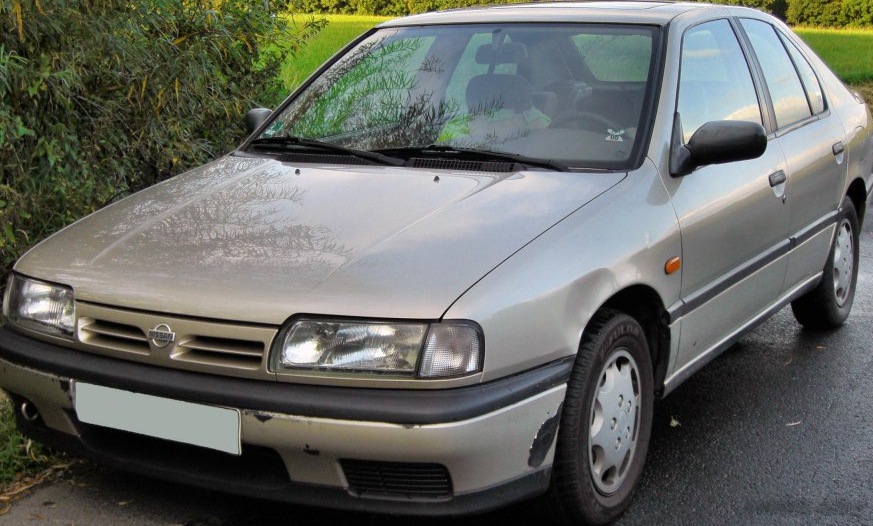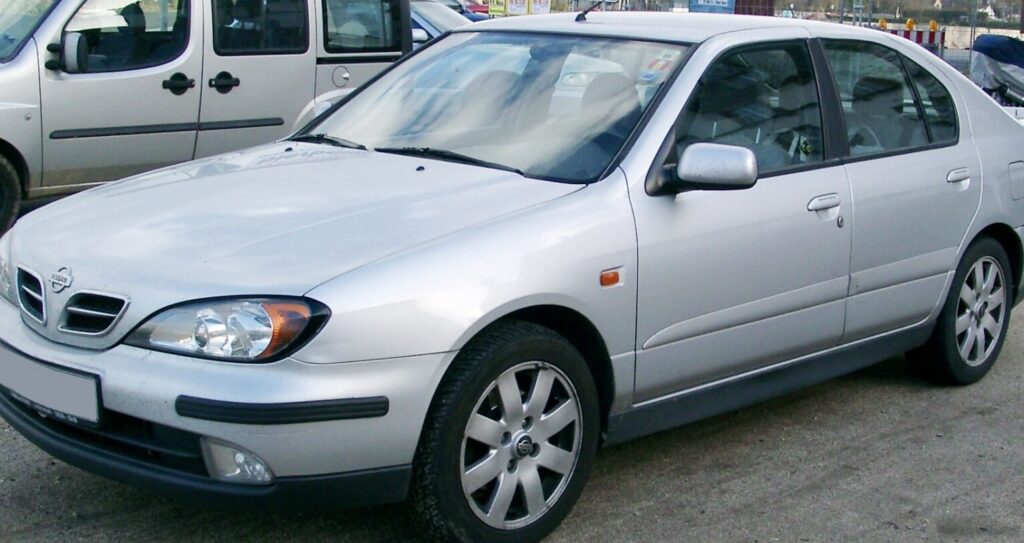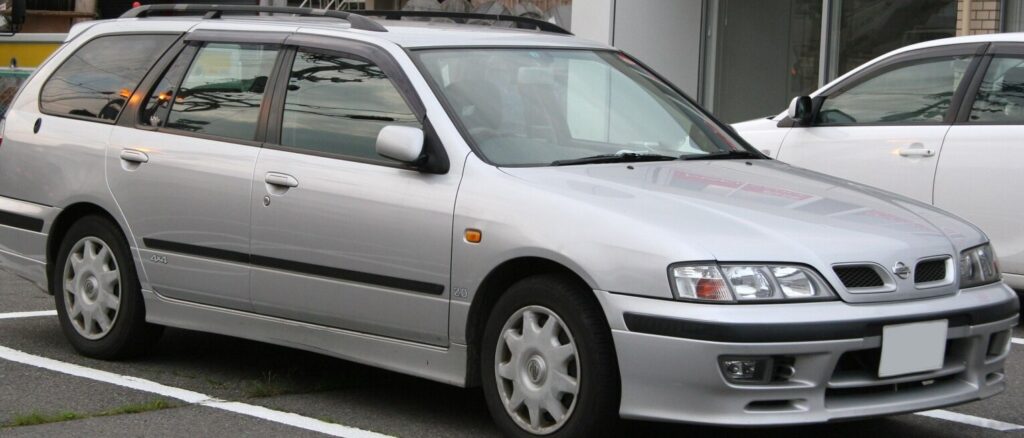
The Nissan Primera Wagon (P11) 1.6 16V, produced between 1998 and 2000, represented a practical and affordable entry point into the Primera wagon range. Part of the P11 series, which debuted in 1997, this variant aimed to provide family-oriented transportation with a focus on fuel efficiency and reasonable running costs. The P11 generation marked a significant step forward for Nissan in the European market, offering a more refined and spacious alternative to competitors like the Ford Mondeo and Vauxhall/Opel Vectra. This specific 1.6-liter engine and transmission combination was positioned as the base model, appealing to buyers prioritizing value over outright performance.
Technical Specifications
| Brand | Nissan |
| Model | Primera |
| Generation | Primera Wagon (P11) |
| Type (Engine) | 1.6 16V (90 Hp) |
| Start of production | 1998 |
| End of production | 2000 |
| Powertrain Architecture | Internal Combustion engine |
| Body type | Station wagon (estate) |
| Fuel Type | Petrol (Gasoline) |
| Power | 90 Hp |
| Engine Model/Code | GA16DE |
| Engine aspiration | Naturally aspirated engine |
| Engine oil capacity | 3.3 l (3.49 US qt | 2.9 UK qt) |
| Coolant capacity | 5.5 l (5.81 US qt | 4.84 UK qt) |
Powertrain & Engine Architecture
The heart of the Primera Wagon 1.6 16V is the GA16DE engine, a 1.6-liter, naturally aspirated inline-four cylinder powerplant. This engine utilizes a single overhead camshaft (SOHC) design with four valves per cylinder, hence the “16V” designation. Fuel delivery is managed by a multi-point fuel injection system, providing a balance between efficiency and responsiveness. The GA16DE is known for its relative simplicity and durability, although it doesn’t offer the performance of Nissan’s more advanced engines. The engine’s output of 90 horsepower at approximately 5600 rpm and 136 Nm (100 lb-ft) of torque at 4400 rpm is modest, but adequate for everyday driving.
This variant was typically paired with a four-speed automatic transmission. This transmission, while providing convenience, wasn’t particularly sophisticated. It featured traditional hydraulic control and lacked the efficiency of more modern automatic gearboxes. The gear ratios were tuned for fuel economy and smooth operation rather than spirited acceleration. The automatic transmission contributed to a slightly slower 0-60 mph time compared to the five-speed manual version, estimated to be around 12-13 seconds.
Driving Characteristics
The Primera Wagon 1.6 16V Automatic offered a comfortable, if uninspiring, driving experience. The engine provided sufficient power for typical commuting and highway cruising, but acceleration was noticeably slower when fully loaded or tackling inclines. The automatic transmission, while smooth, could feel somewhat sluggish in its responses, particularly during kickdown maneuvers. The steering was light and easy, making it well-suited for urban driving, but lacked the feedback desired by more enthusiastic drivers. The suspension, tuned for comfort, absorbed bumps and imperfections in the road reasonably well, providing a stable and predictable ride. Compared to the higher-spec Primera models equipped with larger engines (like the 2.0L), this variant felt significantly less powerful and less engaging to drive. The manual transmission version of the 1.6 offered a more connected feel and slightly improved performance.
Equipment & Trim Levels
The 1.6 16V Primera Wagon typically came with a reasonable level of standard equipment, reflecting its position as the entry-level model. Standard features generally included power steering, central locking, electric front windows, and an AM/FM radio. Air conditioning was often an optional extra, as were alloy wheels and a more advanced audio system. Interior upholstery was typically cloth, with a relatively simple dashboard layout. Higher trim levels, such as the SE or S, added features like alloy wheels, upgraded interior trim, and additional convenience items. Safety features included driver and passenger airbags, and ABS brakes were often standard, depending on the specific market.
Chassis & Braking
The Primera Wagon P11 utilized a MacPherson strut front suspension and a multi-link rear suspension, providing a good balance of ride comfort and handling. The chassis was relatively lightweight, contributing to reasonable fuel economy. Braking on the 1.6 16V model typically consisted of disc brakes on the front wheels and drum brakes on the rear wheels. ABS (Anti-lock Braking System) was often included as standard equipment, enhancing braking performance and stability, particularly in adverse weather conditions. Stabilizer bars were fitted to both the front and rear axles to reduce body roll during cornering.
Market Reception & Comparison
The Nissan Primera Wagon 1.6 16V Automatic was generally well-received as a practical and affordable family car. Critics praised its spacious interior, comfortable ride, and reasonable fuel economy. However, the engine’s lack of power and the automatic transmission’s sluggishness were often cited as drawbacks. Compared to the 2.0-liter Primera models, the 1.6 offered significantly less performance but at a lower purchase price. The 1.9 TDI diesel version, while more expensive, provided superior fuel economy and torque, making it a popular choice for high-mileage drivers. In terms of reliability, the GA16DE engine proved to be generally dependable, although regular maintenance was essential to prevent issues such as oil leaks and timing chain wear.
Legacy
The Primera Wagon 1.6 16V, while not the most exciting variant in the P11 lineup, remains a reasonably popular choice in the used car market. Its affordability, practicality, and relatively simple mechanicals make it an attractive option for buyers seeking a dependable and economical estate car. The GA16DE engine is known for its longevity, and parts availability is generally good. However, potential buyers should be aware of potential issues such as corrosion, particularly on older examples, and the possibility of wear and tear on the automatic transmission. The P11 Primera Wagon, in general, helped establish Nissan as a credible competitor in the European family car segment, paving the way for future models like the Qashqai and X-Trail.