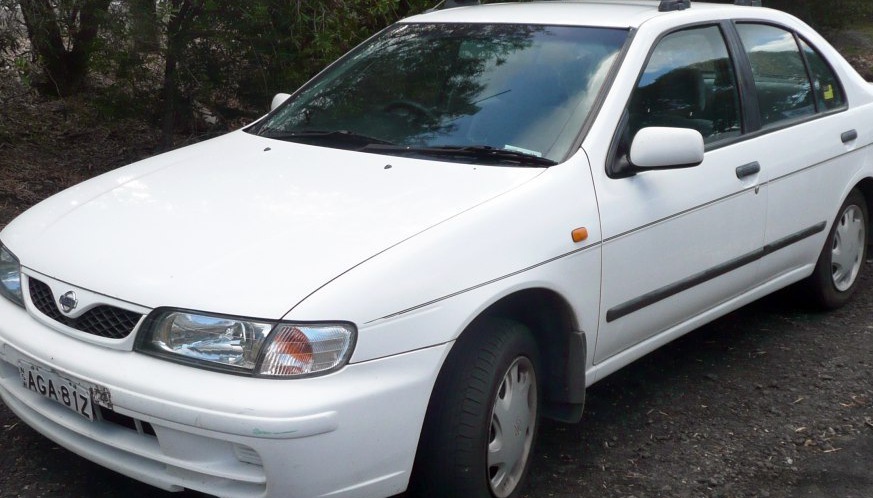
The Nissan Pulsar N14, produced between 1990 and 1995, represented a significant step forward for Nissan’s compact offerings. Within the N14 series, the 1.5 16V X1 variant, delivering 94 horsepower and equipped with a four-speed automatic transmission and all-wheel drive (4WD), occupied a unique position. This model aimed to provide a blend of practicality, affordability, and all-weather capability, appealing to buyers seeking a versatile hatchback. It was positioned as a mid-range option within the N14 lineup, offering more features and enhanced traction compared to the base models, but remaining more accessible than the higher-performance or luxury-oriented trims.
Technical Specifications
| Brand | Nissan |
| Model | Pulsar |
| Generation | Pulsar (N14) |
| Type | 1.5 16V X1 (94 Hp) 4WD |
| Start of production | 1990 |
| End of production | 1995 |
| Powertrain Architecture | Internal Combustion engine |
| Body type | Hatchback |
| Seats | 5 |
| Doors | 3 |
| Fuel consumption (combined) | 5.9 l/100 km (39.9 US mpg, 47.9 UK mpg, 16.9 km/l) |
| Fuel Type | Petrol (Gasoline) |
| Weight-to-power ratio | 12 kg/Hp, 83.2 Hp/tonne |
| Weight-to-torque ratio | 9 kg/Nm, 111.5 Nm/tonne |
| Power | 94 Hp @ 6000 rpm |
| Power per litre | 62.8 Hp/l |
| Torque | 126 Nm @ 3600 rpm (92.93 lb.-ft. @ 3600 rpm) |
| Engine layout | Front, Transverse |
| Engine displacement | 1497 cm3 (91.35 cu. in.) |
| Number of cylinders | 4 |
| Engine configuration | Inline |
| Cylinder Bore | 73.6 mm (2.9 in.) |
| Piston Stroke | 88 mm (3.46 in.) |
| Compression ratio | 9.5:1 |
| Number of valves per cylinder | 4 |
| Fuel injection system | Carburettor |
| Engine aspiration | Naturally aspirated engine |
| Valvetrain | DOHC |
| Kerb Weight | 1130 kg (2491.22 lbs.) |
| Max. weight | 1405 kg (3097.49 lbs.) |
| Max load | 275 kg (606.27 lbs.) |
| Fuel tank capacity | 50 l (13.21 US gal | 11 UK gal) |
| Length | 3975 mm (156.5 in.) |
| Width | 1670 mm (65.75 in.) |
| Height | 1385 mm (54.53 in.) |
| Wheelbase | 2430 mm (95.67 in.) |
| Front track | 1440 mm (56.69 in.) |
| Rear track | 1415 mm (55.71 in.) |
| Drive wheel | All wheel drive (4×4) |
| Number of gears | 4 |
| Gearbox type | Automatic transmission |
| Front suspension | Spring Strut |
| Rear suspension | Coil spring |
| Front brakes | Ventilated discs |
| Rear brakes | Drum |
| Assisting systems | ABS (Anti-lock braking system) |
| Steering type | Steering rack and pinion |
| Power steering | Hydraulic Steering |
| Tires size | 175/70 R13 S |
Powertrain & Engine Architecture
The heart of the Pulsar 1.5 X1 was the GA15DE engine, a 1.5-liter inline-four cylinder powerplant. This engine featured a double overhead camshaft (DOHC) valvetrain operating 16 valves, contributing to its relatively high output for its displacement. While the engine utilized a carburetor for fuel delivery – a common feature for the time, particularly in markets outside North America – it was a relatively sophisticated design for a carbureted engine, offering reasonable performance and fuel efficiency. The 4-speed automatic transmission was a standard unit for Nissan at the time, designed for smooth operation and ease of use. It wasn’t known for particularly quick shifts, but it suited the intended character of the vehicle. The all-wheel-drive system was a part-time setup, engaging the rear wheels when traction was needed, enhancing stability in slippery conditions.
Driving Characteristics
The 94 horsepower and 126 Nm (93 lb-ft) of torque delivered by the 1.5L engine, coupled with the four-speed automatic, resulted in adequate, but not exhilarating, performance. Acceleration was modest, with a 0-60 mph time estimated to be around 12-13 seconds. The automatic transmission’s gear ratios were geared towards fuel economy and smooth cruising rather than aggressive acceleration. Compared to the manual transmission versions of the same engine, the automatic suffered a slight performance penalty. The 4WD system provided noticeable improvements in grip, particularly on loose surfaces, making it a more confident vehicle in inclement weather. However, the added weight of the 4WD components did slightly impact fuel economy and handling responsiveness compared to front-wheel-drive Pulsars.
Equipment & Trim Levels
The 1.5 16V X1 trim level typically included features such as power steering, central locking, and an upgraded interior trim compared to the base models. The interior usually featured cloth upholstery, and a basic audio system. Optional extras could include air conditioning, electric windows, and a sunroof. The dashboard layout was functional and straightforward, prioritizing usability over aesthetic flair. The X1 trim aimed to provide a comfortable and well-equipped driving experience without venturing into the price range of more luxurious trims.
Chassis & Braking
The Pulsar N14 utilized a relatively simple suspension setup, with a strut-type front suspension and a coil spring rear suspension. This configuration provided a comfortable ride, but wasn’t particularly sporty. The braking system featured ventilated discs on the front wheels and drum brakes on the rear. Anti-lock braking system (ABS) was included as a standard safety feature, enhancing braking performance and stability, especially on slippery surfaces. The steering was rack and pinion, providing reasonably precise control.
Market Reception & Comparison
The Nissan Pulsar N14 1.5 16V X1 4WD was generally well-received as a practical and affordable compact car. Critics praised its all-weather capability and comfortable ride. However, the engine’s performance was often cited as a weakness, particularly when compared to more powerful alternatives. Compared to other Pulsar variants, such as those with larger engines or manual transmissions, the 1.5L automatic offered a more relaxed driving experience, prioritizing ease of use over outright performance. Fuel economy was competitive for the time, but not class-leading. Reliability was generally good, although the carburetor required periodic maintenance.
Legacy
The Nissan Pulsar N14 1.5 16V X1 4WD has become a relatively sought-after classic among enthusiasts, particularly those seeking a practical and reliable all-wheel-drive hatchback. The GA15DE engine is known for its durability, and with proper maintenance, can provide many years of service. Parts availability is generally good, although some specific components may be becoming increasingly difficult to find. Today, these Pulsars are often found in the hands of collectors and enthusiasts who appreciate their simplicity, reliability, and all-weather capability. While not a performance icon, the N14 1.5 X1 4WD represents a solid and dependable example of 1990s compact car engineering.