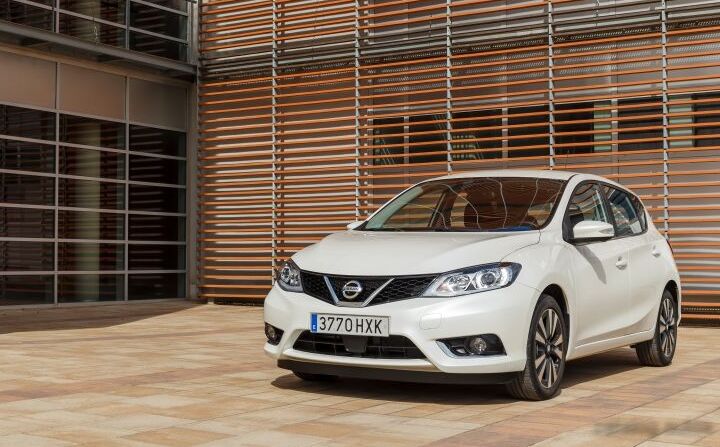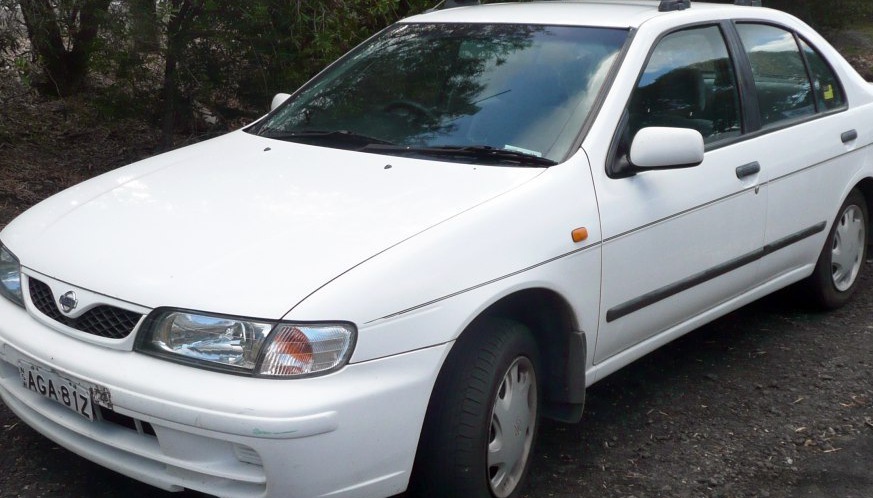
The Nissan Pulsar N14 1.8 i 16V GTI, produced between 1990 and 1995, was a sporty variant of Nissan’s popular compact hatchback. Positioned as the performance-oriented trim within the N14 Pulsar range, it aimed to provide a more engaging driving experience than the standard models. This five-door hatchback was primarily marketed in Europe, Australia, and parts of Asia, offering a combination of practicality and accessible performance. The GTI trim distinguished itself with a more powerful engine, upgraded suspension components, and subtle styling enhancements, appealing to drivers who desired a fun-to-drive, yet economical, vehicle.
Technical Specifications
| Brand | Nissan |
| Model | Pulsar |
| Generation | Pulsar (N14) |
| Type | 1.8 i 16V GTI (5 dr) |
| Start of production | 1990 |
| End of production | 1995 |
| Powertrain Architecture | Internal Combustion engine |
| Body type | Hatchback |
| Seats | 5 |
| Doors | 5 |
| Fuel consumption (combined) | 6.4 l/100 km (36.8 US mpg) |
| Fuel Type | Petrol (Gasoline) |
| Weight-to-power ratio | 7.9 kg/Hp |
| Weight-to-torque ratio | 6.6 kg/Nm |
| Power | 140 Hp @ 6400 rpm |
| Power per litre | 76.1 Hp/l |
| Torque | 167 Nm @ 4800 rpm (123.17 lb.-ft. @ 4800 rpm) |
| Engine layout | Front, Transverse |
| Engine displacement | 1839 cm3 (112.22 cu. in.) |
| Number of cylinders | 4 |
| Engine configuration | Inline |
| Cylinder Bore | 82.5 mm (3.25 in.) |
| Piston Stroke | 86 mm (3.39 in.) |
| Compression ratio | 10:1 |
| Number of valves per cylinder | 4 |
| Fuel injection system | Multi-port manifold injection |
| Engine aspiration | Naturally aspirated engine |
| Valvetrain | DOHC |
| Kerb Weight | 1110 kg (2447.13 lbs.) |
| Max. weight | 1385 kg (3053.4 lbs.) |
| Max load | 275 kg (606.27 lbs.) |
| Fuel tank capacity | 50 l (13.21 US gal) |
| Length | 4145 mm (163.19 in.) |
| Width | 1670 mm (65.75 in.) |
| Height | 1385 mm (54.53 in.) |
| Wheelbase | 2430 mm (95.67 in.) |
| Front track | 1435 mm (56.5 in.) |
| Rear track | 1425 mm (56.1 in.) |
| Drivetrain Architecture | Front wheel drive |
| Number of gears and type of gearbox | 5 gears, manual transmission |
| Front suspension | Spring Strut |
| Rear suspension | Coil spring |
| Front brakes | Ventilated discs |
| Rear brakes | Disc |
| Assisting systems | ABS (Anti-lock braking system) |
| Steering type | Steering rack and pinion |
| Power steering | Hydraulic Steering |
| Tires size | 185/60 R14 H |
Powertrain & Engine Architecture
The Nissan Pulsar GTI’s powertrain revolved around its 1.8-liter, inline-four cylinder engine, internally designated as the GA16DDE. This engine incorporated a double overhead camshaft (DOHC) valvetrain with four valves per cylinder, a design choice that significantly improved engine breathing and contributed to its increased power output. A multi-port fuel injection system ensured precise fuel delivery, optimizing both performance and fuel efficiency. The GA16DDE produced 140 horsepower at 6400 rpm and 167 Nm (123 lb-ft) of torque at 4800 rpm, representing a substantial improvement over the standard Pulsar engines. The engine’s design philosophy centered on achieving a balance between usable power and reasonable fuel consumption, making it well-suited for daily driving. The GTI was exclusively equipped with a five-speed manual transmission, chosen to complement the engine’s sporty character and provide drivers with maximum control over power delivery. This transmission was selected to enhance the driving experience and allow for optimal engine utilization.
Driving Characteristics
The 1.8L GTI offered a demonstrably more spirited driving experience compared to the standard Pulsar models. The five-speed manual transmission allowed for precise gear selection, enabling drivers to maintain the engine within its optimal power band. While not exceptionally fast by contemporary standards, the GTI felt responsive and agile, particularly on winding roads. The gear ratios were carefully matched to the engine’s torque curve, providing adequate acceleration in typical driving scenarios. Compared to alternatives like the Nissan Sunny GTI-R, the Pulsar GTI prioritized a more refined and comfortable ride, sacrificing some outright performance for increased practicality. The manual transmission, while engaging, didn’t feature particularly short throws, but it was known for its durability and reliability. The steering was light but precise, contributing to the car’s overall nimble feel.
Equipment & Trim Levels
The GTI trim level included a range of features designed to enhance both comfort and style. Standard equipment typically included power steering, a basic audio system, and upgraded interior trim compared to the base Pulsar models. The interior often featured sport seats with a distinctive fabric pattern. Optional extras commonly included air conditioning, electric windows, and a sunroof. The dashboard layout was functional and straightforward, prioritizing ease of use. Exterior styling cues included subtle body-colored spoilers and side skirts, along with alloy wheels, visually differentiating the GTI from the more conservatively styled standard Pulsars. These aesthetic enhancements, while understated, contributed to the GTI’s sporty appeal.
Chassis & Braking
The Pulsar GTI utilized a relatively simple, yet effective, suspension setup. The front suspension employed MacPherson struts, while the rear featured a coil spring arrangement. This configuration provided a good compromise between ride comfort and handling performance. The GTI benefited from upgraded brakes compared to the base models, featuring ventilated discs on the front wheels and solid discs on the rear. An Anti-lock Braking System (ABS) was frequently included as standard equipment, enhancing safety and control during hard braking maneuvers. The chassis was reinforced in critical areas to accommodate the increased power and stresses associated with the GTI’s performance capabilities, improving overall structural rigidity.
Market Reception & Comparison
The Nissan Pulsar GTI was generally well-received by automotive critics as an affordable and enjoyable compact hatchback. It was praised for its responsive engine, engaging handling, and practical interior. However, some reviewers noted that its styling was somewhat understated and lacked the visual drama of some of its competitors. Compared to other hot hatches of the era, such as the Volkswagen Golf GTI or the Peugeot 205 GTI, the Pulsar GTI offered a more accessible price point, but didn’t quite match their level of performance or overall refinement. Fuel economy was considered respectable for a performance-oriented vehicle, and reliability was generally good, contributing to its appeal as a sensible yet fun option.
Legacy
The Nissan Pulsar N14 GTI, particularly the 1.8L 16V variant, has cultivated a modest following among automotive enthusiasts. The GA16DDE engine is recognized for its durability and relative simplicity, making it a relatively straightforward engine to maintain. While not as highly sought after as some of the more iconic hot hatches of the 1990s, the Pulsar GTI remains a viable and affordable option for those seeking a classic, fun-to-drive compact car. Parts availability can present challenges in certain regions, but many components are still accessible through aftermarket suppliers. Today, well-maintained examples are increasingly appreciated for their blend of practicality, performance, and nostalgic appeal, representing a unique and enjoyable piece of automotive history.