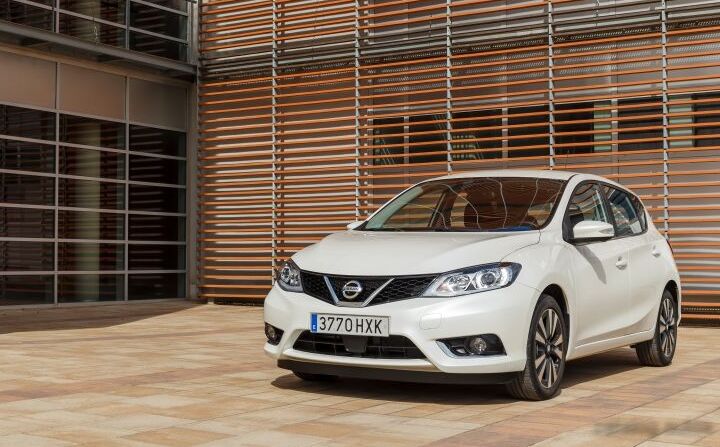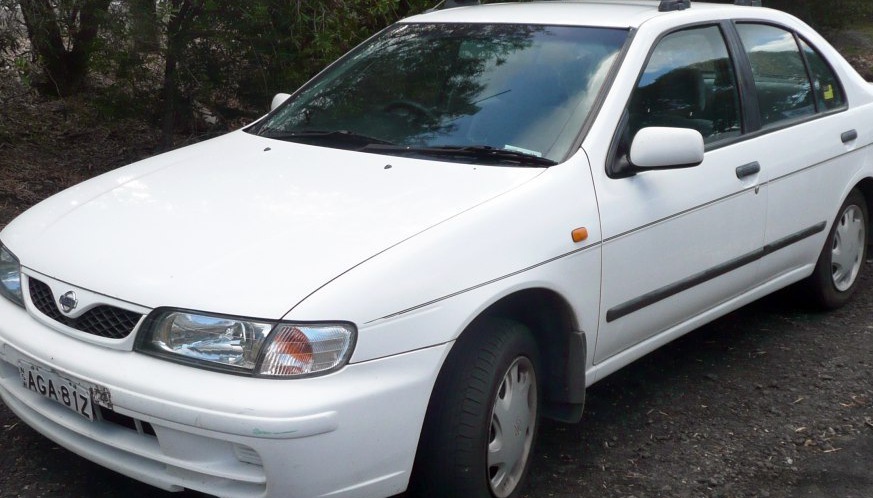
The Nissan Pulsar N15, produced between 1996 and 2000, represented a significant evolution for Nissan’s compact offering. Within the N15 generation, the 1.5 i variant, equipped with a 105 horsepower engine and a four-speed automatic transmission, served as a key entry point into the Pulsar lineup, particularly in markets outside of North America. This model aimed to provide affordable and reliable transportation with a focus on ease of use, appealing to a broad demographic seeking a practical family sedan. It occupied a position below the more powerful 1.6 and 1.8 liter options, and was positioned as a more accessible alternative to the sportier variants.
Technical Specifications
| Brand | Nissan |
| Model | Pulsar |
| Generation | Pulsar (N15) |
| Type (Engine) | 1.5 i (105 Hp) Automatic |
| Start of production | 1996 |
| End of production | 2000 |
| Powertrain Architecture | Internal Combustion engine |
| Body type | Sedan |
| Seats | 5 |
| Doors | 4 |
| Fuel Type | Petrol (Gasoline) |
| Power | 105 Hp @ 6000 rpm |
| Power per litre | 70.1 Hp/l |
| Torque | 135 Nm @ 4000 rpm |
| Torque (lb.-ft.) | 99.57 lb.-ft. @ 4000 rpm |
| Engine layout | Front, Transverse |
| Engine Model/Code | GA15DE |
| Engine displacement | 1498 cm3 |
| Engine displacement (cu. in.) | 91.41 cu. in. |
| Number of cylinders | 4 |
| Engine configuration | Inline |
| Cylinder Bore | 73.6 mm |
| Cylinder Bore (in.) | 2.9 in. |
| Piston Stroke | 88 mm |
| Piston Stroke (in.) | 3.46 in. |
| Compression ratio | 9.9:1 |
| Number of valves per cylinder | 4 |
| Fuel injection system | Multi-port manifold injection |
| Engine aspiration | Naturally aspirated engine |
| Valvetrain | DOHC |
| Drivetrain Architecture | The Internal combustion engine (ICE) drives the front wheels of the vehicle. |
| Drive wheel | Front wheel drive |
| Number of gears and type of gearbox | 4 gears, automatic transmission |
Powertrain & Engine Architecture
The heart of the Pulsar 1.5 i Automatic is the GA15DE engine, a 1.5-liter inline-four cylinder powerplant. This engine utilizes a multi-port fuel injection system, delivering fuel directly to each intake port for improved combustion efficiency. The engine features a double overhead camshaft (DOHC) valvetrain, operating four valves per cylinder, which contributes to its relatively high output for its displacement. The GA15DE is known for its durability and relatively simple design, making it a cost-effective engine to maintain. Paired with this engine is a four-speed automatic transmission. This transmission, while not offering the most modern gear ratios, was chosen for its smoothness and ease of operation, aligning with the target audience’s preference for a comfortable driving experience. The automatic transmission featured typical torque converter technology for the era, providing smooth take-offs and gear changes.
Driving Characteristics
The 105 horsepower and 135 Nm (99.57 lb.-ft.) of torque produced by the GA15DE engine, when coupled with the four-speed automatic, resulted in a driving experience focused on practicality rather than performance. Acceleration was adequate for everyday driving, but noticeably slower than the higher-powered Pulsar variants. The automatic transmission’s gear ratios were tuned for fuel efficiency and smooth cruising, rather than aggressive acceleration. Compared to the five-speed manual transmission available on other Pulsar models, the automatic version offered less driver engagement and a slightly diminished fuel economy. However, the automatic provided a more relaxed driving experience, particularly in urban traffic. The power delivery was linear, with peak torque arriving at 4000 rpm, making it reasonably responsive for merging and overtaking, though requiring the transmission to downshift for more spirited maneuvers.
Equipment & Trim Levels
The 1.5 i Automatic trim level typically represented the base model in many markets. Standard equipment generally included power steering, central locking, and basic audio system. Interior upholstery was typically cloth, with a functional, if somewhat spartan, dashboard layout. Air conditioning was often an optional extra, as were power windows and upgraded audio systems. The trim level was designed to offer essential features at an affordable price point. Higher trim levels, such as the 1.6 or 1.8 variants, added features like alloy wheels, upgraded interior trim, and more sophisticated audio systems. The 1.5 i Automatic was often seen as a sensible choice for buyers prioritizing value and reliability over luxury features.
Chassis & Braking
The Pulsar N15 utilized a front-wheel-drive chassis with independent MacPherson strut suspension in the front and a torsion beam rear suspension. This suspension setup provided a comfortable ride quality, suitable for everyday driving conditions. Braking on the 1.5 i Automatic typically consisted of front disc brakes and rear drum brakes. This configuration was common for entry-level models of the time, balancing cost and performance. Stabilizer bars were often included, contributing to reduced body roll during cornering. The chassis was designed to provide a stable and predictable handling experience, prioritizing safety and comfort over sporty handling characteristics.
Market Reception & Comparison
The Nissan Pulsar 1.5 i Automatic received generally positive reviews for its reliability, fuel efficiency, and affordability. Critics noted that it wasn’t the most exciting car to drive, but it fulfilled its intended purpose as a practical and dependable family sedan. Compared to competitors like the Toyota Corolla and Honda Civic, the Pulsar offered a competitive price point and a comfortable interior. The automatic transmission was praised for its smoothness, but some reviewers noted that it could feel sluggish at times. Fuel economy was a strong point, making it an attractive option for budget-conscious buyers. The 1.5 i Automatic was often seen as a sensible alternative to the more powerful and expensive Pulsar variants, offering a good balance of features and value.
Legacy
The GA15DE engine, found in the Pulsar 1.5 i Automatic, has proven to be a remarkably durable and reliable powerplant. Many examples are still on the road today, testament to its robust construction and relatively simple design. The automatic transmission, while not as sophisticated as modern units, has also demonstrated good longevity with proper maintenance. In the used car market, the Pulsar 1.5 i Automatic remains an affordable and practical option, particularly for first-time car buyers or those seeking a dependable commuter vehicle. Its simplicity and ease of maintenance make it a relatively inexpensive car to keep running, contributing to its continued popularity among budget-conscious drivers. While not a performance icon, the Pulsar 1.5 i Automatic holds a place as a solid, reliable, and accessible member of the N15 Pulsar family.