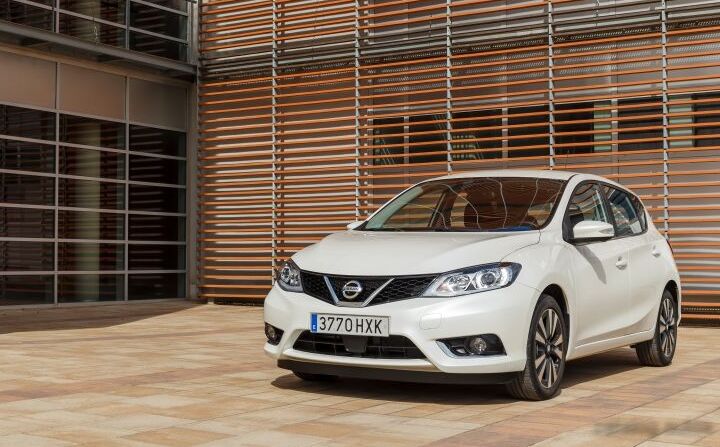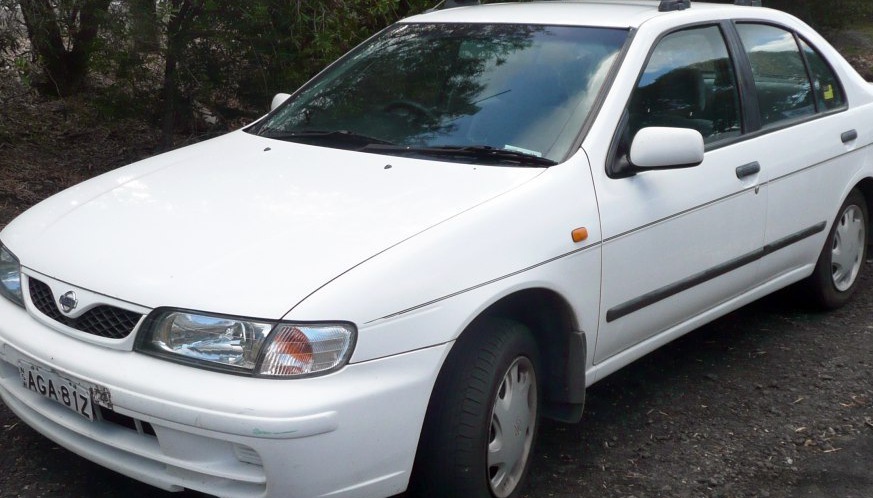
The Nissan Pulsar N15, produced between 1995 and 2000, represented a significant evolution for Nissan’s compact car line. This generation, sold globally under various names including the Sunny, Almera, and Sentra, aimed to provide a practical and reliable vehicle for a broad range of buyers. The 1.6 i variant, boasting 140 horsepower, occupied a middle ground within the N15 lineup, offering a balance between affordability and performance. It was positioned as a step up from the base models, appealing to drivers seeking a more responsive driving experience without the higher costs associated with the top-tier trims.
Technical Specifications
| Brand | Nissan |
| Model | Pulsar |
| Generation | Pulsar (N15) |
| Type (Engine) | 1.6 i (140 Hp) |
| Start of production | 1995 |
| End of production | 2000 |
| Powertrain Architecture | Internal Combustion engine |
| Body type | Sedan |
| Seats | 5 |
| Doors | 4 |
| Fuel Type | Petrol (Gasoline) |
| Power | 140 Hp |
| Power per litre | 87.7 Hp/l |
| Engine layout | Front, Transverse |
| Engine displacement | 1597 cm3 |
| Engine displacement (cu. in.) | 97.45 cu. in. |
| Number of cylinders | 4 |
| Engine configuration | Inline |
| Fuel injection system | Multi-port manifold injection |
| Engine aspiration | Naturally aspirated engine |
| Valvetrain | DOHC |
| Drivetrain Architecture | The Internal combustion engine (ICE) drives the front wheels of the vehicle. |
| Drive wheel | Front wheel drive |
Powertrain & Engine Architecture
The heart of the Pulsar 1.6 i was the GA16DE engine, a 1.6-liter inline four-cylinder powerplant. This engine utilized a multi-port fuel injection system, delivering fuel directly into each intake port for improved combustion efficiency and power delivery. The GA16DE featured a double overhead camshaft (DOHC) valvetrain, optimizing airflow into and out of the cylinders, contributing to its respectable 140 horsepower output. The engine was designed with a focus on reliability and ease of maintenance, making it a popular choice for fleet vehicles and everyday commuters. The engine block was constructed from cast iron, providing durability, while the cylinder head was aluminum, helping to reduce weight. Nissan’s engineers focused on minimizing internal friction to improve fuel economy and responsiveness.
Driving Characteristics
The 1.6-liter engine in the Pulsar N15 provided adequate performance for daily driving. While not a sports car, the 140 horsepower output allowed for reasonably quick acceleration and comfortable highway cruising. The engine’s torque curve was relatively flat, providing usable power across a wide range of engine speeds. Compared to the base engine options, the 1.6 i offered a noticeable improvement in responsiveness, particularly when overtaking or merging onto highways. However, it didn’t possess the outright punch of larger-displacement engines available in other Pulsar variants or competing models. The front-wheel-drive configuration provided predictable handling, although it wasn’t particularly engaging for enthusiastic drivers. The steering was light and easy to use, making it well-suited for urban environments.
Equipment & Trim Levels
The 1.6 i trim level of the Pulsar N15 typically included features such as power windows and locks, air conditioning, and an AM/FM radio. Depending on the market and optional packages selected, additional features could include alloy wheels, a sunroof, and upgraded interior trim. Interior upholstery was generally cloth, with a focus on durability and practicality. The dashboard layout was functional and straightforward, prioritizing ease of use over stylistic flair. Nissan offered several optional extras, including a CD player, upgraded sound system, and anti-lock brakes (ABS), which were not standard on all models. The trim level sat comfortably in the middle of the range, offering a good balance of features and affordability.
Chassis & Braking
The Pulsar N15 utilized a MacPherson strut front suspension and a torsion beam rear suspension. This setup provided a comfortable ride quality, absorbing bumps and irregularities in the road surface effectively. The torsion beam rear suspension was a cost-effective solution that minimized complexity while still providing adequate handling characteristics. Braking systems varied depending on the market and trim level. Base models often featured drum brakes on the rear wheels, while higher-spec models, including the 1.6 i, typically came equipped with disc brakes all around. Front brakes were ventilated discs, providing improved cooling and stopping power. Stabilizer bars were included on both the front and rear axles to reduce body roll during cornering.
Market Reception & Comparison
The Nissan Pulsar N15 1.6 i was generally well-received by automotive critics as a practical and reliable compact car. It was praised for its fuel efficiency, comfortable ride, and spacious interior. However, some critics noted that its styling was somewhat conservative and that its driving experience wasn’t particularly exciting. Compared to other trims in the Pulsar lineup, the 1.6 i offered a good compromise between performance and fuel economy. The larger-displacement engines provided more power but at the expense of increased fuel consumption. The base engine models were more affordable but lacked the responsiveness of the 1.6 i. In terms of reliability, the GA16DE engine proved to be exceptionally durable, contributing to the Pulsar N15’s reputation as a dependable vehicle.
Legacy
The Nissan Pulsar N15, particularly the 1.6 i variant, has maintained a solid reputation for reliability and affordability in the used car market. The GA16DE engine is known for its longevity and relatively low maintenance costs. Parts availability remains good, making it a practical choice for budget-conscious buyers. While not a collector’s item, the N15 Pulsar is often sought after as a dependable and economical daily driver. Its simple mechanical design and robust construction have allowed many examples to remain on the road for decades. The 1.6 i trim, in particular, represents a sweet spot in the lineup, offering a good balance of performance, fuel economy, and features.