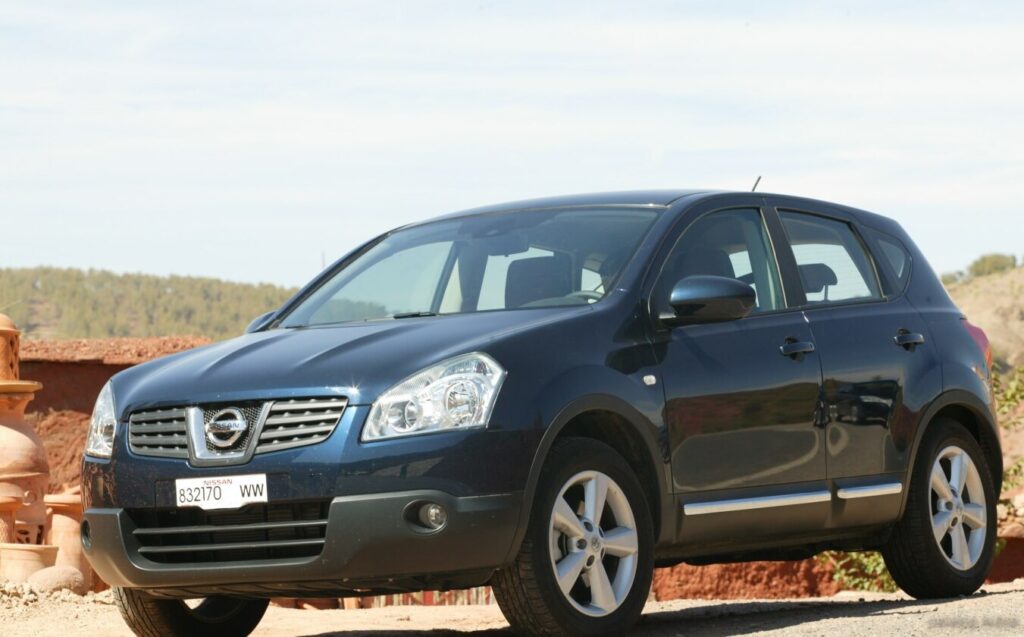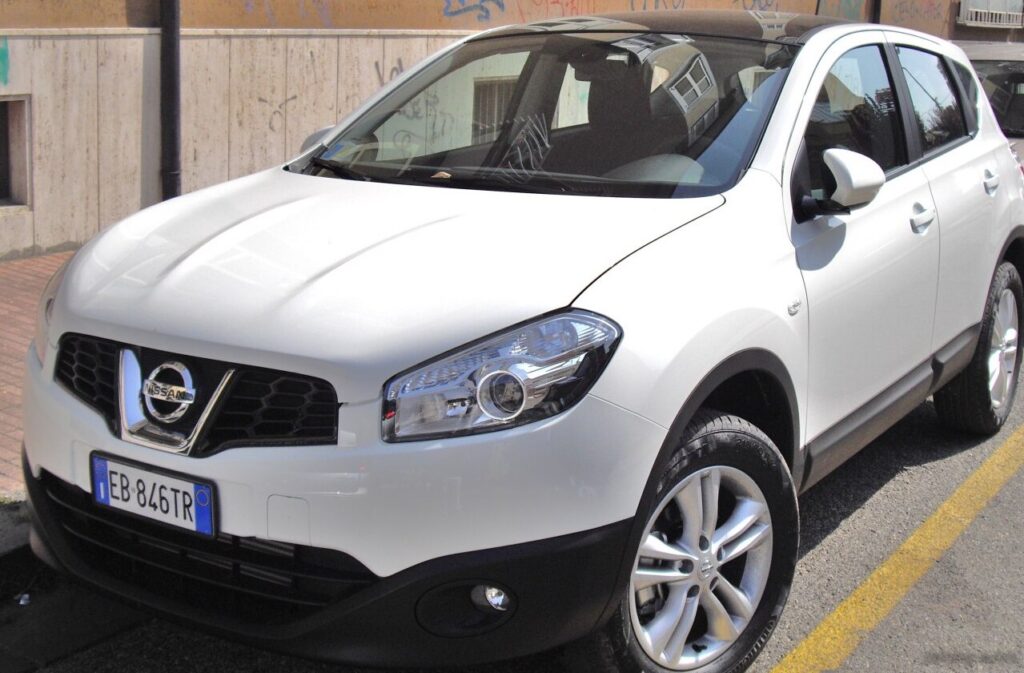
The Nissan Qashqai (marketed as the Dualis in some regions) is a compact crossover SUV first introduced in 2006. The first generation, designated the J10, underwent a significant facelift in 2010, bringing revised styling and updated features. The 2.0-liter (141 hp) 4×4 variant, produced from 2010 to 2014, represented a mid-range offering within the Qashqai lineup, positioned above the base 1.6-liter models and below the diesel-powered options. This version aimed to provide a balance of performance, practicality, and all-weather capability for buyers seeking a versatile family vehicle.
The heart of the Qashqai 2.0 4×4 is the MR20DE engine, a 1997cc inline-four cylinder gasoline engine. This engine utilizes multi-port fuel injection and a dual overhead camshaft (DOHC) valvetrain with four valves per cylinder. The MR20DE is a naturally aspirated engine, meaning it does not employ forced induction like a turbocharger or supercharger. It produces a peak power output of 141 horsepower at 6000 rpm and 196 Nm (144.56 lb-ft) of torque at 4800 rpm. The engine’s design prioritizes smooth operation and reasonable fuel efficiency over outright performance. The Qashqai 2.0 4×4 was exclusively offered with a six-speed manual transmission, providing drivers with full control over gear selection. The all-wheel-drive system is an electronically controlled system, typically operating in front-wheel drive under normal conditions and engaging the rear wheels when slip is detected, enhancing traction in adverse weather or on loose surfaces.
In real-world driving, the 2.0-liter engine provides adequate performance for everyday use. Acceleration from 0 to 62 mph (0-100 km/h) takes approximately 10.6 seconds, and the vehicle has a top speed of 119.92 mph (193 km/h). While not a particularly sporty vehicle, the Qashqai 2.0 4×4 offers sufficient power for highway cruising and overtaking maneuvers. The six-speed manual transmission allows for precise gear changes and helps to keep the engine within its optimal power band. Compared to the base 1.6-liter engine, the 2.0-liter provides noticeably more power and torque, resulting in improved acceleration and overall drivability. However, it doesn’t match the responsiveness or fuel efficiency of the diesel variants.
The 2010 facelifted Qashqai 2.0 4×4 typically came equipped with a reasonable level of standard features. These included air conditioning, power windows and mirrors, a CD player with auxiliary input, and alloy wheels. Higher trim levels, such as the Tekna, added features like automatic climate control, a panoramic sunroof, parking sensors, and a more advanced audio system. Interior upholstery was typically cloth, with leather options available on higher trims. The dashboard layout was functional and user-friendly, with a clear instrument cluster and logically arranged controls. Optional extras included navigation systems and various styling enhancements.
The Qashqai 2.0 4×4 utilizes an independent suspension system on both the front and rear axles. The front suspension employs McPherson struts with a coil spring and anti-roll bar, while the rear features a multi-link setup, also with a stabilizer bar. This suspension configuration provides a comfortable ride quality and good handling characteristics. Braking duties are handled by ventilated discs on the front wheels and solid discs on the rear. The vehicle is equipped with an Anti-lock Braking System (ABS) as standard, enhancing safety during emergency braking situations. Steering is rack and pinion with electric power assistance.
The Qashqai 2.0 4×4 received generally positive reviews from automotive critics. It was praised for its comfortable ride, spacious interior, and practical all-wheel-drive system. However, some reviewers noted that the engine could feel strained when fully loaded or driving uphill. Fuel economy was considered average for its class, with combined fuel consumption figures around 8.2 l/100 km (28.7 US mpg). Compared to the diesel models, the 2.0-liter gasoline engine offered less fuel efficiency but a smoother and quieter driving experience. Reliability was generally good, although some owners reported minor issues with the electronic systems.
| Engine Model/Code | MR20DE |
| Engine Displacement | 1997 cm3 (121.86 cu. in.) |
| Number of Cylinders | 4, Inline |
| Power | 141 Hp @ 6000 rpm |
| Torque | 196 Nm (144.56 lb.-ft.) @ 4800 rpm |
| Fuel Type | Petrol (Gasoline) |
| Fuel Consumption (Urban) | 10.8 l/100 km (21.8 US mpg) |
| Fuel Consumption (Extra Urban) | 6.7 l/100 km (35.1 US mpg) |
| Fuel Consumption (Combined) | 8.2 l/100 km (28.7 US mpg) |
| CO2 Emissions | 194 g/km |
| Acceleration 0-100 km/h | 10.6 sec |
| Acceleration 0-62 mph | 10.6 sec |
| Maximum Speed | 193 km/h (119.92 mph) |
| Kerb Weight | 1415 kg (3119.54 lbs.) |
| Fuel Tank Capacity | 65 l (17.17 US gal) |
| Transmission | 6-speed Manual |
| Drive Type | All Wheel Drive (4×4) |
The Nissan Qashqai 2.0 4×4 has proven to be a relatively reliable vehicle in the used car market. The MR20DE engine is known for its durability, and the all-wheel-drive system is generally trouble-free. However, as with any used vehicle, it’s important to check for signs of wear and tear and ensure that the vehicle has been properly maintained. Today, these Qashqais represent an affordable entry point into the compact crossover segment, offering a practical and versatile option for buyers seeking a reliable and capable vehicle.