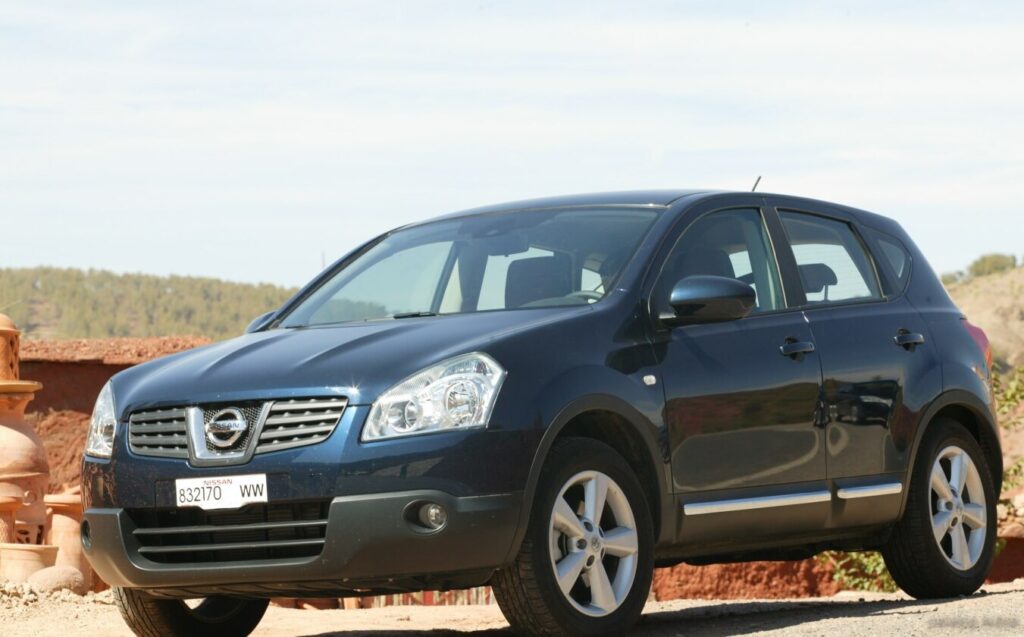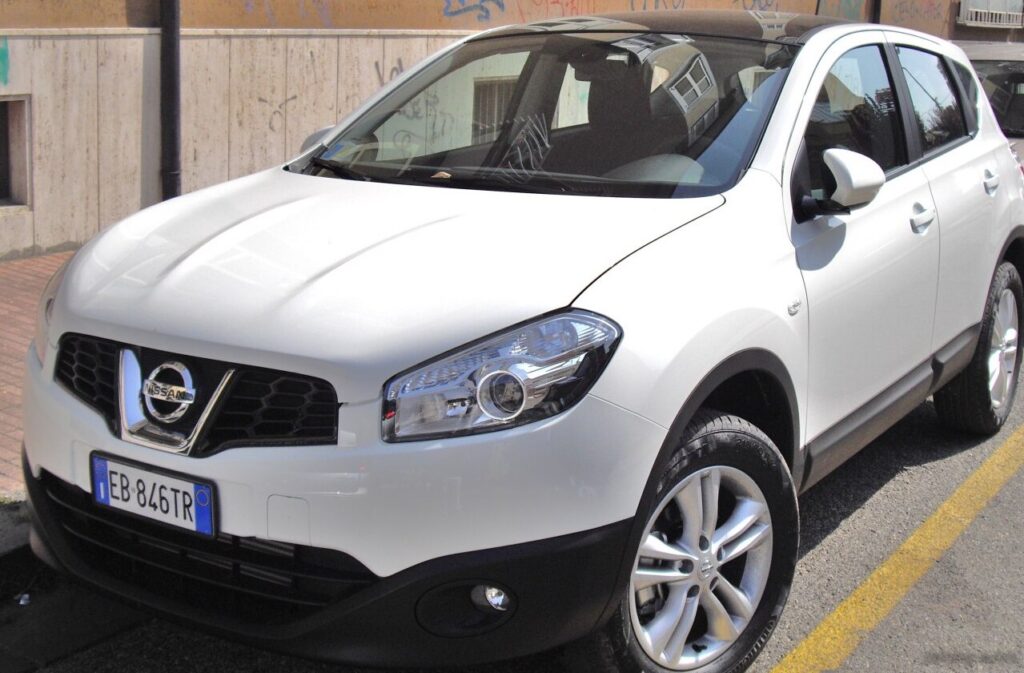
The Nissan Qashqai (marketed as the Dualis in some regions) is a compact crossover SUV that debuted in 2006. The first generation, designated the J10, underwent a significant facelift in 2010, introducing revised styling and updated engine options. The 2.0 dCi 150 Hp 4×4 variant, produced from 2010 to 2014, represented a mid-range offering within the Qashqai lineup, positioned above the base 1.6L gasoline models and below the range-topping trims. This model aimed to provide a balance of fuel efficiency, performance, and all-weather capability for buyers seeking a practical and versatile family vehicle.
The Qashqai 2.0 dCi 4×4 is powered by Nissan’s M9R engine, a 2.0-liter four-cylinder diesel. This engine utilizes a common rail direct fuel injection system, delivering fuel directly into the cylinders at extremely high pressure for improved combustion efficiency. The M9R is a turbocharged engine, employing a variable geometry turbocharger (VGT) and an intercooler to enhance power output and reduce turbo lag. The engine produces 150 horsepower at 4000 rpm and 320 Nm (236 lb-ft) of torque at 2000 rpm. The engine’s architecture is inline, with a bore of 84mm and a stroke of 90mm, resulting in a displacement of 1995 cc (121.74 cubic inches). It features four valves per cylinder and a compression ratio of 15.6:1. The engine also incorporates a diesel particulate filter (DPF) to reduce harmful emissions, meeting Euro 5 standards. The Qashqai 2.0 dCi 4×4 was exclusively offered with a six-speed manual transmission.
In real-world driving, the 2.0 dCi 4×4 offered a noticeable step up in performance compared to the lower-powered gasoline engines. While not a sports car, the 320 Nm of torque provided ample pulling power for everyday driving and overtaking maneuvers. The six-speed manual transmission allowed drivers to keep the engine in its optimal power band. Acceleration from 0 to 100 km/h (0-62 mph) took approximately 9.9 seconds, and the vehicle had a top speed of 193 km/h (119.92 mph). The all-wheel-drive system provided enhanced traction in slippery conditions, making it a suitable choice for regions with inclement weather. Compared to the front-wheel-drive versions, the 4×4 model offered improved stability and handling, particularly on loose surfaces.
The 2010 facelifted Qashqai 2.0 dCi 4×4 typically came equipped with features such as air conditioning, power windows, power mirrors, a CD player with auxiliary input, and ABS brakes. Higher trim levels added features like alloy wheels, automatic climate control, a navigation system, and parking sensors. Interior upholstery was generally cloth, with options for leather seats on higher-spec models. The dashboard layout was functional and straightforward, with a focus on usability. Optional extras included a panoramic sunroof, heated front seats, and a rear parking camera.
The Qashqai 2.0 dCi 4×4 utilized an independent suspension system on both the front and rear axles. The front suspension employed McPherson struts with a coil spring and anti-roll bar, while the rear featured a multi-link setup, also with a stabilizer bar. This configuration provided a comfortable ride quality while maintaining reasonable handling characteristics. Braking duties were handled by ventilated discs on the front wheels and solid discs on the rear. The vehicle was equipped with ABS (Anti-lock Braking System) as standard. The steering system was a rack and pinion type with electric power assistance.
Critics generally praised the Qashqai 2.0 dCi 4×4 for its fuel efficiency and practicality. Fuel economy figures were rated at approximately 6.7 l/100 km (35.1 US mpg) combined, making it an economical choice for long-distance driving. The all-wheel-drive system was also well-received, providing added confidence in challenging conditions. However, some reviewers noted that the interior materials were not as premium as those found in some competitors. Compared to the 1.6 dCi models, the 2.0 dCi offered significantly more power and torque, but at a slightly higher price point. Reliability was generally good, although some owners reported issues with the DPF system, a common concern with modern diesel engines.
| Engine Model/Code | M9R |
| Engine Displacement | 1995 cm3 (121.74 cu. in.) |
| Number of Cylinders | 4, Inline |
| Power | 150 Hp @ 4000 rpm |
| Torque | 320 Nm @ 2000 rpm (236.02 lb.-ft. @ 2000 rpm) |
| Fuel Type | Diesel |
| Fuel Consumption (Urban) | 8.5 l/100 km (27.7 US mpg) |
| Fuel Consumption (Extra Urban) | 5.7 l/100 km (41.3 US mpg) |
| Fuel Consumption (Combined) | 6.7 l/100 km (35.1 US mpg) |
| CO2 Emissions | 177 g/km |
| Acceleration 0-100 km/h | 9.9 sec |
| Maximum Speed | 193 km/h (119.92 mph) |
| Kerb Weight | 1643 kg (3622.19 lbs.) |
| Fuel Tank Capacity | 65 l (17.17 US gal) |
| Transmission | 6-speed Manual |
| Drive Type | All Wheel Drive (4×4) |
Today, the Nissan Qashqai 2.0 dCi 4×4 remains a relatively common sight on the used car market. The M9R engine, while generally reliable, requires regular maintenance, particularly concerning the DPF system. Properly maintained examples offer a good balance of fuel economy, practicality, and all-weather capability, making them a viable option for buyers seeking an affordable and versatile crossover SUV. However, potential buyers should be aware of the potential for DPF-related issues and ensure a thorough inspection before purchase.