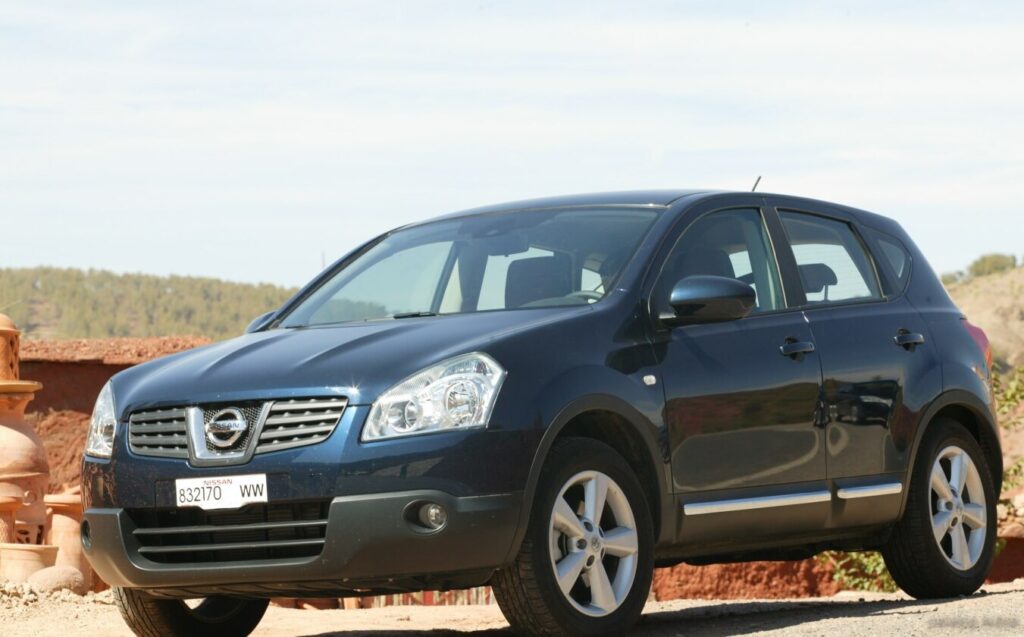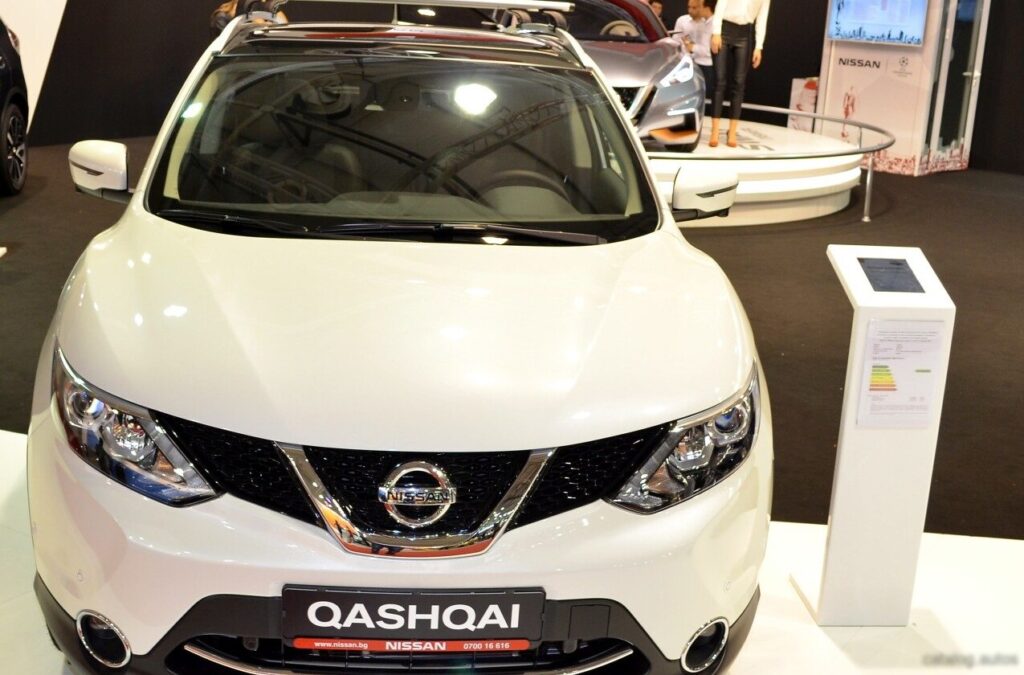
The Nissan Qashqai II (J11) 1.2 DiG-T 115 Hp CVT was a front-wheel-drive crossover SUV produced between 2013 and 2017. It represented an entry-level to mid-range offering within the second generation Qashqai lineup, positioned below the larger-engined variants like the 1.6 DiG-T and the diesel-powered models. The J11 Qashqai was a significant model for Nissan, building upon the success of the original Qashqai and further establishing the brand in the competitive compact crossover segment. This particular variant aimed to balance affordability with reasonable performance and fuel efficiency, appealing to buyers prioritizing practicality and running costs.
1.2 DiG-T Powertrain & Engine Architecture
The heart of the Qashqai II 1.2 DiG-T CVT is the HRA2DDT engine, a 1.2-liter inline-four cylinder gasoline engine. This engine is part of Nissan’s ‘Downsized’ series, utilizing turbocharging and direct injection to deliver a balance of power and efficiency. The engine displaces 1197 cc (73.05 cubic inches) and produces 115 horsepower at 5200 rpm and 165 Nm (121.7 lb-ft) of torque at 1750 rpm. The engine features a single scroll turbocharger with an intercooler, enhancing responsiveness and power delivery. Direct fuel injection is employed to optimize combustion and improve fuel economy. Valve timing is controlled by Nissan’s Continuously Variable Valve Timing Control System (CVTCS), further refining engine performance and reducing emissions.
The engine is transversely mounted in the front of the vehicle and is paired exclusively with a Continuously Variable Transmission (CVT). Nissan’s Xtronic CVT, as it was often marketed, is a torque-converter based CVT designed for smooth, stepless gear changes. This CVT is known for its efficiency and ability to keep the engine operating within its optimal power band. While offering smooth acceleration, it differs in driving feel from traditional automatic transmissions with fixed gear ratios. The CVT in the Qashqai II 1.2 DiG-T is programmed to simulate stepped gear changes under hard acceleration to provide a more familiar driving experience.
Fuel Injection and Valvetrain Details
The HRA2DDT engine utilizes a multi-point direct injection system, injecting fuel directly into the combustion chamber at high pressure. This allows for precise fuel control, improved atomization, and reduced knocking. The valvetrain consists of four valves per cylinder (16 valves total), operated by a timing chain. The timing chain is a durable and reliable alternative to timing belts, reducing maintenance requirements. The CVTCS system dynamically adjusts valve timing based on engine load and speed, optimizing performance and fuel efficiency across a wide range of driving conditions.
Driving Characteristics
The Qashqai II 1.2 DiG-T CVT delivers adequate performance for everyday driving. Acceleration from 0 to 100 km/h (0-62 mph) takes approximately 12.9 seconds, and 0-60 mph is achieved in around 12.3 seconds. While not a particularly sporty vehicle, the turbocharger provides a noticeable boost in power during acceleration, making overtaking maneuvers manageable. The CVT contributes to a smooth and linear power delivery, although some drivers may find it lacks the responsiveness of a traditional automatic or manual transmission. The CVT’s ability to keep the engine in its optimal power band helps to maximize fuel efficiency, particularly during highway cruising.
Compared to the higher-output 1.6 DiG-T variant, the 1.2 DiG-T feels noticeably less powerful. The 1.6 DiG-T offered significantly quicker acceleration and a more engaging driving experience. However, the 1.2 DiG-T provided a more economical option, particularly for drivers who primarily commute in urban environments. Compared to the diesel variants, the 1.2 DiG-T offered a quieter and smoother driving experience, but lacked the low-end torque and superior fuel economy of the diesel engines.
Equipment & Trim Levels
The Qashqai II 1.2 DiG-T CVT was typically offered in several trim levels, varying by market. Standard equipment generally included air conditioning, power windows, power door locks, a basic audio system with USB connectivity, and alloy wheels. Higher trim levels added features such as a touchscreen infotainment system with navigation, Bluetooth connectivity, rear parking sensors, automatic headlights and wipers, and climate control. Interior upholstery was typically cloth, with options for leather seats on higher trims. Dashboard configuration was consistent across trim levels, featuring a straightforward layout with easy-to-use controls.
Optional extras included a panoramic sunroof, a premium audio system, and advanced safety features such as lane departure warning and blind spot monitoring. The availability of these options varied depending on the specific trim level and market.
Chassis & Braking
The Qashqai II 1.2 DiG-T CVT utilizes an independent McPherson strut suspension system at the front, providing comfortable ride quality and responsive handling. The rear suspension is a semi-independent torsion beam setup, which is a cost-effective solution that offers a good balance of comfort and stability. Stabilizer bars are fitted to both the front and rear axles to reduce body roll during cornering.
Braking duties are handled by disc brakes on all four wheels, providing adequate stopping power. Anti-lock Braking System (ABS) is standard, enhancing safety by preventing wheel lockup during emergency braking. The Qashqai II 1.2 DiG-T typically features electric power steering, providing light and precise steering feel.
Market Reception & Comparison
The Nissan Qashqai II 1.2 DiG-T CVT was generally well-received by critics as a practical and economical crossover SUV. Reviewers praised its comfortable ride, spacious interior, and fuel efficiency. However, some criticized its relatively modest performance and the sometimes-unconventional driving feel of the CVT. Fuel economy figures averaged around 5.8 l/100 km (40.6 US mpg) combined, making it a competitive option in its class. Reliability was generally good, although some owners reported minor issues with the CVT. Compared to other trims in the Qashqai lineup, the 1.2 DiG-T offered the best value for money, appealing to budget-conscious buyers.
Technical Specifications
| Engine Type | 1.2-liter Inline-4 Turbocharged Gasoline |
| Engine Code | HRA2DDT |
| Displacement | 1197 cc (73.05 cu in) |
| Horsepower | 115 hp @ 5200 rpm |
| Torque | 165 Nm (121.7 lb-ft) @ 1750 rpm |
| Fuel Injection | Direct Injection |
| Valvetrain | DOHC, 16 Valves, CVTCS |
| Transmission | Continuously Variable Transmission (CVT) |
| Drive Type | Front-Wheel Drive |
| Acceleration 0-100 km/h | 12.9 sec |
| Top Speed | 173 km/h (107.5 mph) |
| Fuel Consumption (Combined) | 5.8 l/100 km (40.6 US mpg) |
| CO2 Emissions | 129-133 g/km |
| Kerb Weight | 1285-1418 kg (2832.94 – 3126.15 lbs) |
| Fuel Tank Capacity | 55 liters (14.53 US gal) |
Legacy
The Nissan Qashqai II 1.2 DiG-T CVT has proven to be a relatively reliable vehicle in the used car market. The HRA2DDT engine, while not known for exceptional performance, is generally durable and capable of high mileage with proper maintenance. The CVT, however, requires regular fluid changes to ensure optimal performance and longevity. As of today, these Qashqais represent an affordable entry point into the crossover SUV segment, offering a good balance of practicality, fuel efficiency, and comfort. They remain a popular choice for first-time buyers and those seeking a reliable and economical family vehicle.