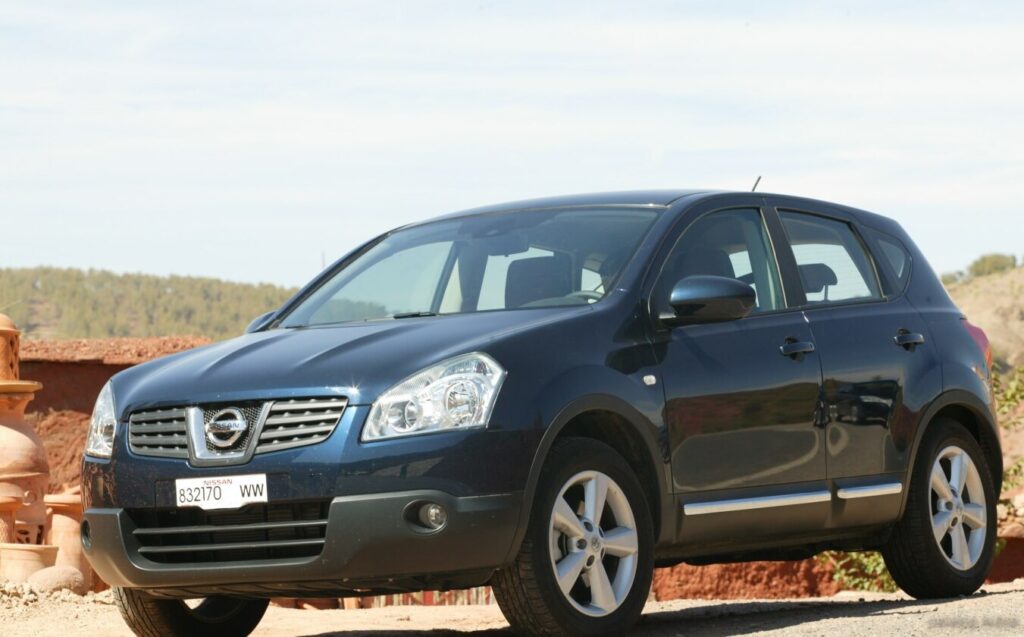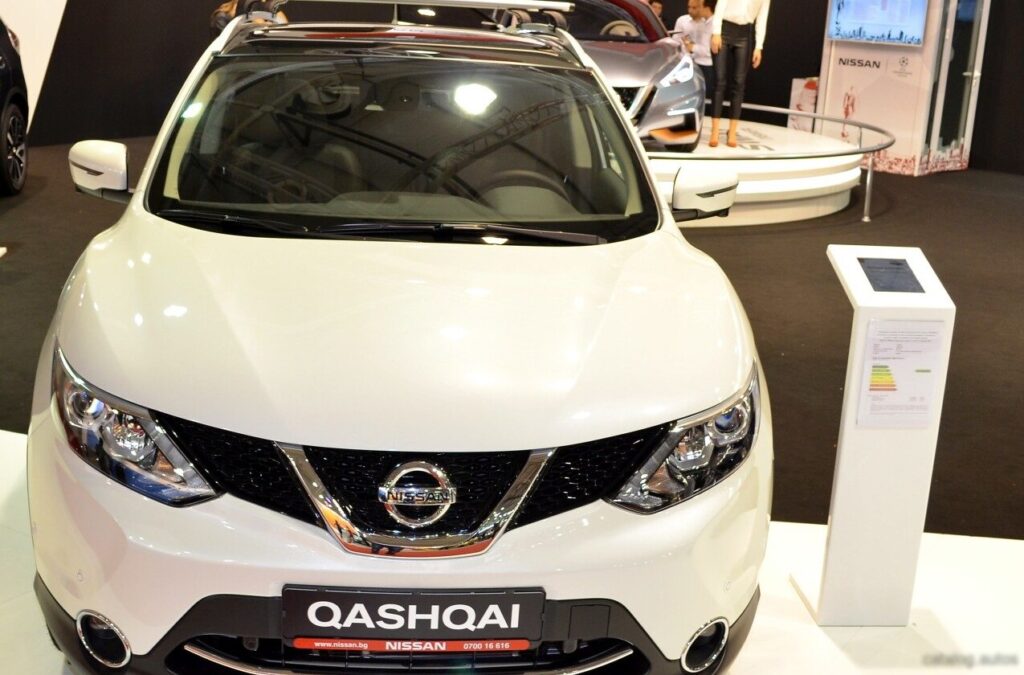
The Nissan Qashqai II (J11) 1.6 dCi 130 Hp, produced between 2013 and 2017, represents a significant iteration of Nissan’s popular crossover SUV. Falling within the second generation of the Qashqai (known as the Rogue Sport in North America), this variant occupied a mid-range position in the lineup, offering a balance between fuel efficiency, performance, and equipment. It was positioned above the entry-level 1.2L petrol models and below the more powerful 1.6 dCi 163 Hp and petrol-powered options. The J11 Qashqai was built on the Renault-Nissan Common Module Family (CMF) platform, specifically the CMF-CD platform, which aimed to reduce development costs and improve vehicle flexibility.
Powertrain & Engine Architecture
The heart of the Qashqai II 1.6 dCi 130 Hp is the Renault-sourced R9M engine, a 1.6-liter inline-four cylinder diesel engine. This engine is a key component of the Renault-Nissan Alliance’s powertrain strategy. The R9M engine utilizes a common rail direct injection system, delivering fuel directly into the combustion chamber at extremely high pressure. This system, coupled with a variable geometry turbocharger and intercooler, optimizes combustion for improved power and efficiency. The engine features a double overhead camshaft (DOHC) valvetrain with four valves per cylinder, enhancing breathing and contributing to its power output.
While a six-speed manual transmission was standard, a six-speed dual-clutch transmission (DCT) was also offered as an option. The DCT, known for its quick and smooth shifts, provided a more refined driving experience compared to the manual. The engine’s control unit (ECU) manages fuel injection, turbocharger boost, and other parameters to meet Euro 5 emission standards. The engine oil capacity is 5.5 liters (5.81 US quarts / 4.84 UK quarts) and requires a specification adhering to Renault/Nissan standards. A diesel particulate filter (DPF) is integrated into the exhaust system to reduce particulate matter emissions.
Engine Specifications (R9M)
The R9M engine in this configuration produces 130 horsepower (Hp) at 4000 rpm and 320 Newton-meters (236.02 lb-ft) of torque at 1750 rpm. This torque output, available at relatively low engine speeds, provides good responsiveness for everyday driving. The engine displacement is 1598 cm³ (97.52 cu. in.), with a bore of 80 mm (3.15 in.) and a stroke of 79.5 mm (3.13 in.). The power-to-litre ratio is 81.4 Hp/l.
Driving Characteristics
The Qashqai II 1.6 dCi 130 Hp offers a comfortable and refined driving experience. The engine provides adequate power for typical driving situations, including highway cruising and overtaking. Acceleration from 0 to 100 km/h (0-62 mph) takes approximately 9.9 seconds, while 0-60 mph is achieved in around 9.4 seconds. The maximum speed is 190 km/h (118.06 mph). The six-speed manual transmission offers precise shifts, while the optional DCT provides quicker and smoother gear changes.
Compared to the lower-powered 1.2L petrol engine, the 1.6 dCi offers significantly more torque, resulting in better acceleration and pulling power, especially when fully loaded. However, it doesn’t match the outright performance of the 1.6 dCi 163 Hp variant. The suspension is tuned for comfort, absorbing bumps and imperfections in the road effectively. The steering is light and precise, making it easy to maneuver in urban environments.
Equipment & Trim Levels
The Qashqai II 1.6 dCi 130 Hp was available in various trim levels, including Visia, Connect, and Tekna. The base Visia trim typically included air conditioning, electric front windows, a basic audio system, and stability control. The Connect trim added features such as alloy wheels, a touchscreen infotainment system with Bluetooth connectivity, and rear parking sensors. The top-of-the-line Tekna trim offered additional luxuries like leather upholstery, heated front seats, a panoramic sunroof, and a more advanced safety suite including lane departure warning and blind spot monitoring. Interior upholstery varied depending on the trim level, ranging from cloth to leather. Dashboard configurations were generally consistent across trims, with a focus on user-friendliness and practicality.
Chassis & Braking
The Qashqai II features an independent McPherson strut suspension at the front, providing good handling and ride comfort. The rear suspension utilizes a semi-independent torsion beam setup, which is cost-effective and space-efficient. Front brakes are ventilated discs, offering strong stopping power, while rear brakes are typically solid discs. Anti-lock Braking System (ABS) with Electronic Brakeforce Distribution (EBD) is standard. The kerb weight of the vehicle ranges from 1365 to 1499 kg (3009.31 – 3304.73 lbs), depending on the trim level and optional equipment. The steering system is an electric power-assisted rack and pinion system, providing light and precise steering feel.
Market Reception & Comparison
The Nissan Qashqai II 1.6 dCi 130 Hp was generally well-received by automotive critics. It was praised for its fuel efficiency, comfortable ride, and spacious interior. Fuel economy figures are impressive, ranging from 4.1-4.6 l/100 km (53.5 – 51.1 US mpg / 64.2 – 61.4 UK mpg). Compared to the petrol-powered variants, the 1.6 dCi offered significantly better fuel economy. However, some critics noted that the engine could be slightly noisy under hard acceleration. In terms of reliability, the R9M engine has been generally reliable, although some owners have reported issues with the DPF and turbocharger. Compared to the 1.6 dCi 163 Hp, the 130 Hp version offered a more affordable entry point into the Qashqai range, making it a popular choice for budget-conscious buyers.
Technical Specifications
| Body type | SUV, Crossover |
| Engine | 1.6 dCi (130 Hp) |
| Engine Code | R9M |
| Engine Displacement | 1598 cm³ (97.52 cu. in.) |
| Number of Cylinders | 4, Inline |
| Power | 130 Hp @ 4000 rpm |
| Torque | 320 Nm @ 1750 rpm (236.02 lb.-ft. @ 1750 rpm) |
| Fuel Type | Diesel |
| Fuel Consumption (Urban) | 5.1-5.2 l/100 km (46.1 – 45.2 US mpg) |
| Fuel Consumption (Extra Urban) | 4.1-4.3 l/100 km (57.4 – 54.7 US mpg) |
| Fuel Consumption (Combined) | 4.4-4.6 l/100 km (53.5 – 51.1 US mpg) |
| CO2 Emissions | 116-120 g/km |
| Acceleration 0-100 km/h | 9.9 sec |
| Maximum Speed | 190 km/h (118.06 mph) |
| Kerb Weight | 1365-1499 kg (3009.31 – 3304.73 lbs.) |
| Fuel Tank Capacity | 55 l (14.53 US gal | 12.1 UK gal) |
| Transmission | 6-speed Manual or 6-speed DCT |
| Front Suspension | Independent, McPherson strut with coil spring and anti-roll bar |
| Rear Suspension | Semi-independent, coil spring |
| Front Brakes | Ventilated Discs |
| Rear Brakes | Discs |
Legacy
The Nissan Qashqai II 1.6 dCi 130 Hp remains a popular choice in the used car market due to its fuel efficiency, practicality, and relatively affordable price. The R9M engine, while not without its potential issues (particularly with the DPF), has proven to be generally durable with proper maintenance. Regular servicing, including DPF regeneration and oil changes, is crucial for long-term reliability. The Qashqai’s continued popularity demonstrates its appeal as a versatile and family-friendly crossover SUV. The 1.6 dCi 130 Hp variant offers a good balance of performance and economy, making it a sensible option for buyers seeking a practical and efficient vehicle.