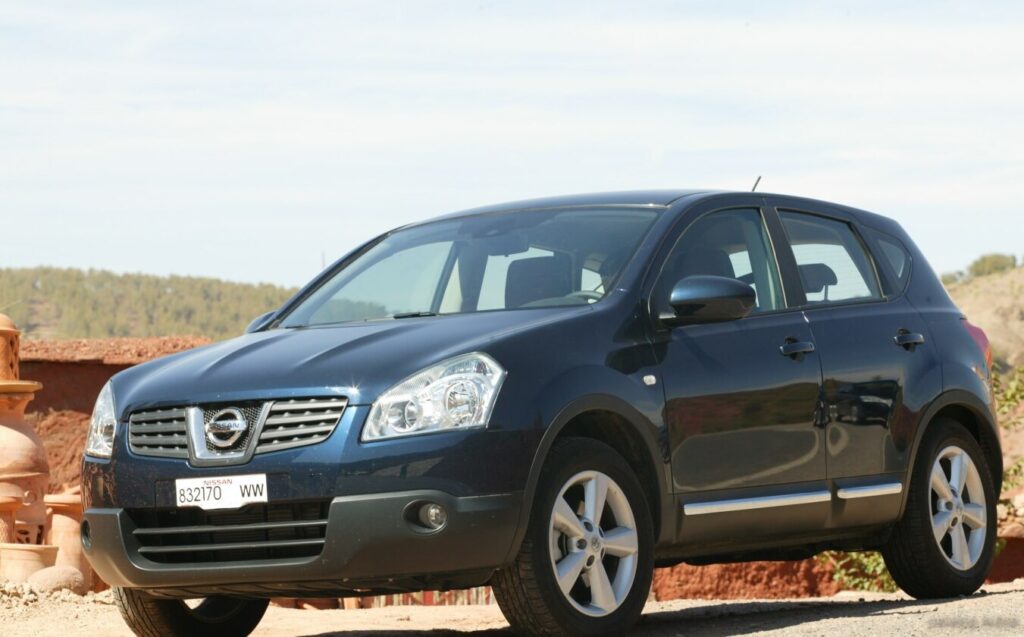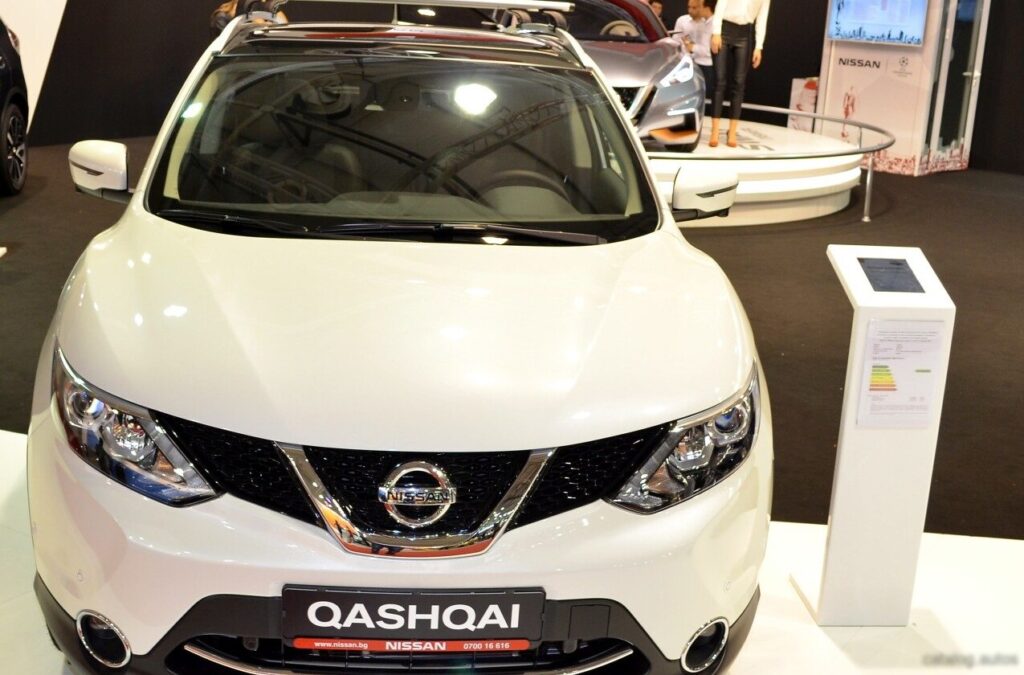
The Nissan Qashqai II (J11) 1.6 dCi 130 Hp 4×4, produced between 2013 and 2017, represents a significant offering within the second generation of Nissan’s popular crossover SUV. Positioned as a mid-range trim level, it catered to buyers seeking a blend of fuel efficiency, all-weather capability, and reasonable performance. The J11 Qashqai, built on the CMF-C/D platform (shared with Renault), aimed to improve upon the original Qashqai’s success by offering a more refined driving experience, improved interior quality, and a wider range of technology. This specific variant, with its diesel engine and all-wheel-drive system, was designed to appeal to drivers who frequently cover long distances or require enhanced traction in challenging conditions.
Powertrain & Engine Architecture
At the heart of the Qashqai 1.6 dCi 4×4 lies the Renault-Nissan Alliance’s R9M engine family. This 1.6-liter, inline-four cylinder diesel engine, specifically the R9M variant, produces 130 horsepower at 4,000 rpm and 320 Nm (236 lb-ft) of torque at 1,750 rpm. The engine utilizes a diesel commonrail direct fuel injection system, delivering fuel directly into the cylinders at extremely high pressure for optimized combustion. A turbocharger with an intercooler is employed to boost power and efficiency. The engine features four valves per cylinder (DOHC) and a variable geometry turbocharger (VGT) to enhance responsiveness across the rev range.
The engine is paired with a six-speed manual transmission, chosen for its efficiency and driver engagement. The all-wheel-drive system is an intelligent system developed by Nissan, typically employing a viscous coupling to distribute torque between the front and rear axles as needed. Under normal driving conditions, the system operates in front-wheel drive to maximize fuel economy. When wheel slip is detected at the front, the viscous coupling engages, transferring torque to the rear wheels to restore traction. This system isn’t a sophisticated torque-vectoring system, but provides a significant improvement in grip on slippery surfaces.
Engine Codes & Variations
The R9M engine family encompasses several variations, but the Qashqai 1.6 dCi 130 Hp 4×4 primarily utilizes engine codes associated with the 130 PS output. These codes can vary slightly depending on the specific production year and market, but generally fall within the R9M family designations. The engine’s architecture is relatively simple, contributing to its overall reliability, but also requiring regular maintenance, particularly concerning the diesel particulate filter (DPF).
Driving Characteristics
The Qashqai 1.6 dCi 4×4 offers a comfortable and composed driving experience. While not a performance-oriented vehicle, the 130 hp engine and 320 Nm of torque provide adequate power for everyday driving and highway cruising. Acceleration from 0 to 100 km/h (0-62 mph) takes approximately 10.5 seconds. The six-speed manual transmission allows for precise gear selection, and the engine delivers strong low-end torque, making it easy to navigate urban environments. The all-wheel-drive system provides enhanced stability and traction, particularly in wet or snowy conditions. Compared to the 1.6 dCi 110 hp front-wheel-drive version, the 130 hp 4×4 offers noticeably improved acceleration and a more confident feel, especially when fully loaded or driving on challenging terrain. However, it doesn’t match the responsiveness of higher-powered Qashqai variants, such as those equipped with the 1.6 DIG-T gasoline engine.
The gear ratios are tuned for fuel efficiency and relaxed cruising. First gear is relatively short for quick acceleration from a standstill, while higher gears are spaced to minimize engine revs at highway speeds. The steering is light and precise, making it easy to maneuver in tight spaces. The suspension is tuned for comfort, absorbing bumps and imperfections in the road surface effectively. However, this can result in some body roll during cornering.
Equipment & Trim Levels
The Qashqai 1.6 dCi 130 Hp 4×4 typically came equipped with a generous level of standard features. These included air conditioning, electric windows and mirrors, a CD/radio system with USB connectivity, and alloy wheels. Safety features such as ABS, electronic stability control (ESC), and multiple airbags were also standard. Higher trim levels, such as Tekna, added features like automatic climate control, a touchscreen infotainment system with navigation, parking sensors, and leather upholstery. Optional extras included a panoramic sunroof, heated seats, and a rear-view camera.
Interior upholstery was typically cloth on lower trims, with leather options available on higher-spec models. The dashboard layout was functional and user-friendly, with clearly labeled controls. The Qashqai’s interior was designed to be spacious and comfortable, offering ample headroom and legroom for both front and rear passengers.
Chassis & Braking
The Qashqai 1.6 dCi 4×4 utilizes an independent McPherson strut suspension at the front, providing good ride quality and handling. The rear suspension is a semi-independent torsion beam setup, which is a cost-effective solution that offers a reasonable balance between comfort and handling. The braking system consists of disc brakes on all four wheels, providing adequate stopping power. Anti-lock Braking System (ABS) and Electronic Brakeforce Distribution (EBD) are standard features. The vehicle’s weight, ranging from 1460 to 1599 kg (3218.75 to 3525.19 lbs), influences its braking performance and handling characteristics.
Stabilizer bars are fitted to both the front and rear axles to reduce body roll during cornering. The steering system is an electric power-assisted rack and pinion system, providing light and precise steering feel.
Market Reception & Comparison
The Nissan Qashqai II, including the 1.6 dCi 130 Hp 4×4 variant, was well-received by critics and consumers alike. It was praised for its stylish design, comfortable interior, and fuel-efficient engine. The all-wheel-drive system was seen as a valuable addition for drivers in regions with harsh weather conditions. Compared to other crossovers in its class, such as the Kia Sportage and Hyundai Tucson, the Qashqai offered a compelling combination of value, practicality, and refinement. Fuel economy figures of 4.9-5.1 l/100 km (48-46.1 US mpg) were competitive for a vehicle of its size and capability.
However, some critics noted that the 1.6 dCi engine could feel strained when fully loaded or driving uphill. The manual transmission, while efficient, wasn’t as smooth or refined as some of the automatic transmissions offered by competitors. Reliability was generally good, but some owners reported issues with the diesel particulate filter (DPF), particularly on vehicles that were primarily used for short journeys.
Technical Specifications
| Brand | Nissan |
| Model | Qashqai |
| Generation | Qashqai II (J11) |
| Type | 1.6 dCi (130 Hp) 4×4 |
| Start of production | 2013 |
| End of production | 2017 |
| Engine Displacement | 1598 cm3 (97.52 cu. in.) |
| Engine Layout | Inline-4 |
| Fuel Type | Diesel |
| Power | 130 Hp @ 4000 rpm |
| Torque | 320 Nm @ 1750 rpm (236.02 lb.-ft. @ 1750 rpm) |
| Transmission | 6-speed Manual |
| Drive | All-Wheel Drive (4×4) |
| Fuel Consumption (Combined) | 4.9-5.1 l/100 km (48-46.1 US mpg) |
| CO2 Emissions | 129-133 g/km |
| Kerb Weight | 1460-1599 kg (3218.75 – 3525.19 lbs.) |
| Length | 4377 mm (172.32 in.) |
| Width | 1806 mm (71.1 in.) |
| Height | 1595 mm (62.8 in.) |
Legacy
The Nissan Qashqai II 1.6 dCi 130 Hp 4×4 remains a popular choice in the used car market. The R9M engine, while requiring diligent maintenance (particularly DPF regeneration), is generally considered reliable. The all-wheel-drive system continues to provide a valuable advantage in challenging weather conditions. However, potential buyers should be aware of the potential for DPF issues and ensure that the vehicle has been properly maintained. The Qashqai’s blend of practicality, comfort, and fuel efficiency ensures its continued appeal to a wide range of buyers seeking a versatile and affordable crossover SUV.