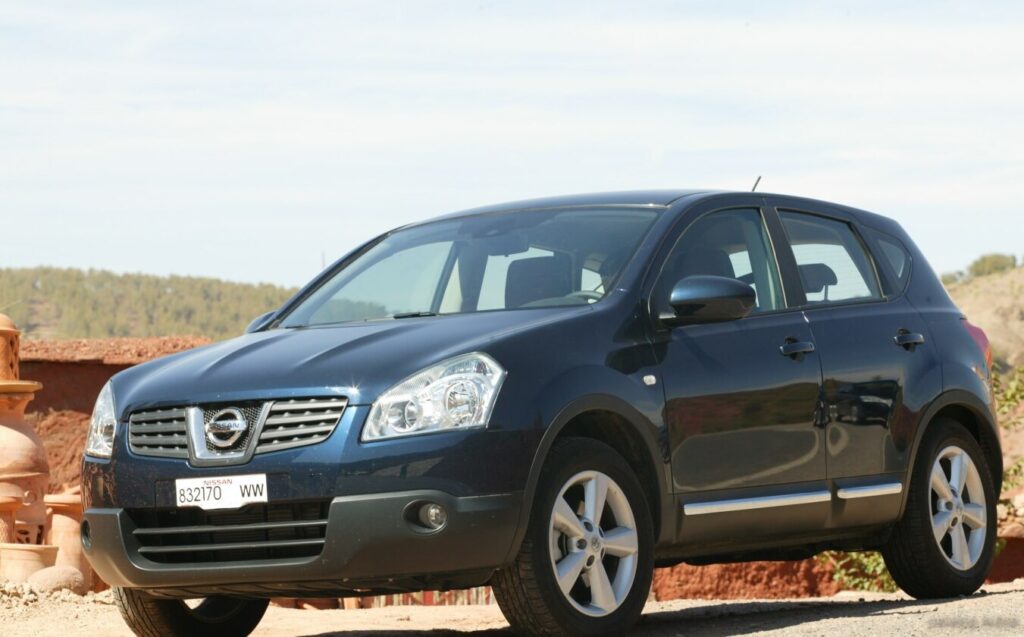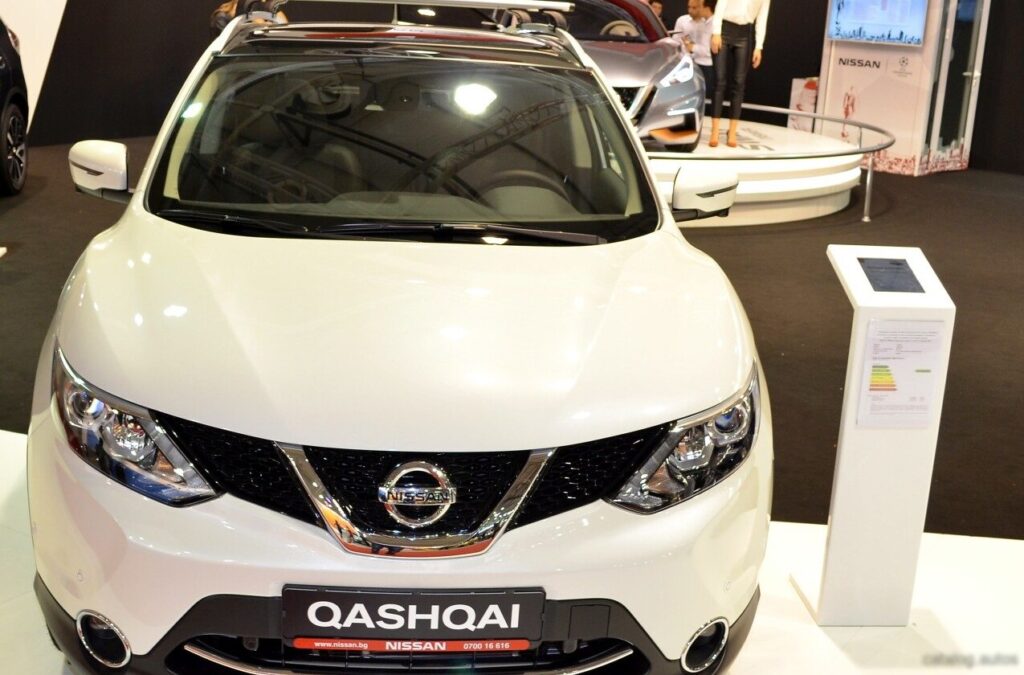
The Nissan Qashqai II (J11) 1.6 dCi 130 Hp CVT, produced between 2013 and 2017, represents a significant iteration of Nissan’s popular crossover SUV. This variant occupied a middle ground within the second-generation Qashqai (also known as the Rogue Sport in some markets) lineup, offering a balance between fuel efficiency, reasonable performance, and affordability. It was positioned as a step up from the base petrol engines, appealing to buyers prioritizing diesel economy and a smoother driving experience than a manual transmission could provide. The J11 Qashqai was built on the Common Module Family (CMF) platform, specifically the CMF-CD platform, shared with other Renault-Nissan Alliance vehicles.
Powertrain & Engine Architecture
At the heart of the Qashqai 1.6 dCi CVT lies the Renault-Nissan Alliance’s R9M engine family. This is a 1.6-liter, inline-four cylinder diesel engine, specifically the R9M variant. The engine produces 130 horsepower (Hp) at 4000 rpm and 320 Newton-meters (236 lb-ft) of torque at 1750 rpm. The engine utilizes a common rail direct fuel injection system, delivering fuel at extremely high pressure for optimized combustion. This system, coupled with a turbocharger and intercooler, contributes to both power output and fuel efficiency. The engine features four valves per cylinder (DOHC) and a variable geometry turbocharger (VGT) to enhance responsiveness across the rev range.
The “dCi” designation stands for “Diesel Common rail Injection.” The R9M engine is known for its relatively sophisticated emissions control systems, including a diesel particulate filter (DPF) to reduce particulate matter emissions. The engine’s block is constructed from cast iron for durability, while the cylinder head is aluminum. The engine is transversely mounted in the front of the vehicle.
Paired with the R9M engine is a Continuously Variable Transmission (CVT). This is not a traditional geared automatic transmission, but rather a belt-driven system that provides a seamless and stepless gear ratio. Nissan’s Xtronic CVT, as it was often marketed, aimed to improve fuel economy and provide a smoother driving experience. The CVT is programmed to mimic traditional gear shifts under hard acceleration to provide a more familiar feel for drivers accustomed to conventional automatics.
Engine Codes & Variations
While the 130 Hp output was common, variations within the R9M family existed. The engine code is crucial for identifying specific components and service requirements. Different calibrations of the engine control unit (ECU) could slightly alter performance characteristics. The R9M engine was also used in other Renault-Nissan vehicles, including the Renault Mégane and Scenic.
Driving Characteristics
The Qashqai 1.6 dCi CVT delivers a comfortable and refined driving experience, particularly suited for everyday commuting and long-distance journeys. The CVT contributes to smooth acceleration, although it can sometimes exhibit a “rubber band” effect where engine revs rise before the vehicle speed catches up, especially during aggressive acceleration. The 320 Nm of torque available from 1750 rpm provides ample pulling power for overtaking and navigating hills.
Compared to the 1.6L petrol versions of the Qashqai, the 1.6 dCi offers significantly improved fuel economy and a more relaxed driving experience at highway speeds. However, it lacks the outright punch of the higher-powered 1.6 dCi 160 Hp variant. The CVT, while smooth, doesn’t offer the direct feel or responsiveness of a traditional automatic or manual transmission. Acceleration from 0-62 mph (0-100 km/h) takes approximately 11.1 seconds, making it a reasonably quick, but not particularly sporty, crossover.
The CVT’s programming prioritizes fuel efficiency, often keeping the engine in its optimal torque band. This results in a predictable and economical driving style, but may not appeal to drivers seeking a more engaging experience.
Equipment & Trim Levels
The Qashqai 1.6 dCi CVT was typically offered in mid-range trim levels, such as the Acenta and Tekna. Standard equipment generally included air conditioning, a touchscreen infotainment system with Bluetooth connectivity, alloy wheels, cruise control, and electric windows. Higher trim levels, like the Tekna, added features such as leather upholstery, a panoramic sunroof, parking sensors, and a more advanced navigation system. Optional extras included metallic paint, upgraded sound systems, and safety packages with features like blind spot monitoring and lane departure warning.
Interior upholstery was typically cloth on the Acenta trim, with leather options available on the Tekna. The dashboard layout was consistent across the Qashqai range, featuring a user-friendly design with logically arranged controls. The Qashqai offered a spacious interior for its class, with ample headroom and legroom for both front and rear passengers.
Chassis & Braking
The Qashqai J11 utilizes an independent McPherson strut suspension setup at the front, providing a comfortable ride and good handling characteristics. The rear suspension employs a semi-independent torsion beam arrangement, which is a cost-effective solution that offers a reasonable balance between ride comfort and handling. Stabilizer bars are fitted to both the front and rear axles to reduce body roll during cornering.
Braking duties are handled by ventilated discs at the front and solid discs at the rear. Anti-lock Braking System (ABS) with Electronic Brakeforce Distribution (EBD) is standard. The braking system provides adequate stopping power for everyday driving conditions. The steering is electrically assisted, providing a light and responsive feel.
Market Reception & Comparison
The Nissan Qashqai 1.6 dCi CVT was generally well-received by automotive critics. It was praised for its fuel efficiency, comfortable ride, and spacious interior. However, some reviewers criticized the CVT for its lack of responsiveness and the “rubber band” effect. Compared to the petrol versions, the diesel model offered significantly better fuel economy, making it a popular choice for drivers covering long distances. Compared to the 1.6 dCi 160 Hp variant, the 130 Hp version offered a more affordable entry point into the diesel Qashqai range, albeit with slightly less performance.
Fuel economy figures typically ranged from 4.7 to 4.9 l/100 km (50-48 US mpg) on the combined cycle, and CO2 emissions were between 122-128 g/km. Reliability was generally good, although some owners reported issues with the DPF, particularly on vehicles used primarily for short journeys.
Technical Specifications
| Body type | SUV, Crossover |
| Engine displacement | 1598 cm3 (97.52 cu. in.) |
| Number of cylinders | 4, Inline |
| Fuel type | Diesel |
| Power | 130 Hp @ 4000 rpm |
| Torque | 320 Nm @ 1750 rpm (236.02 lb.-ft. @ 1750 rpm) |
| Transmission | CVT (Continuously Variable Transmission) |
| Drive type | Front wheel drive |
| Acceleration 0-100 km/h | 11.1 sec |
| Maximum speed | 183 km/h (113.71 mph) |
| Fuel consumption (combined) | 4.7-4.9 l/100 km (50-48 US mpg) |
| CO2 emissions | 122-128 g/km |
| Kerb weight | 1461 kg (3220.95 lbs) |
| Fuel tank capacity | 55 l (14.53 US gal) |
| Trunk (boot) space (minimum) | 430 l (15.19 cu. ft.) |
| Trunk (boot) space (maximum) | 1585 l (55.97 cu. ft.) |
Legacy
The Nissan Qashqai 1.6 dCi CVT remains a popular choice in the used car market, particularly for buyers seeking a fuel-efficient and practical crossover SUV. The R9M engine, while generally reliable, requires regular maintenance, including ensuring the DPF is functioning correctly. The CVT transmission, if properly maintained with regular fluid changes, is generally durable. However, potential buyers should be aware of the possibility of CVT issues, such as slipping or shuddering, particularly on higher-mileage examples. The Qashqai’s blend of practicality, comfort, and fuel economy continues to make it a compelling option in the used car segment.