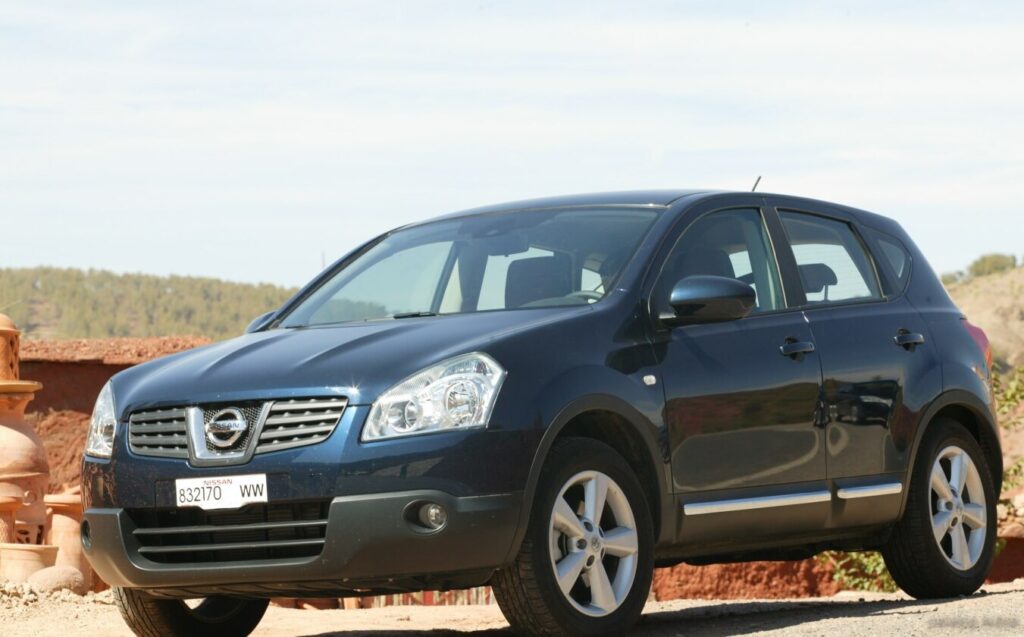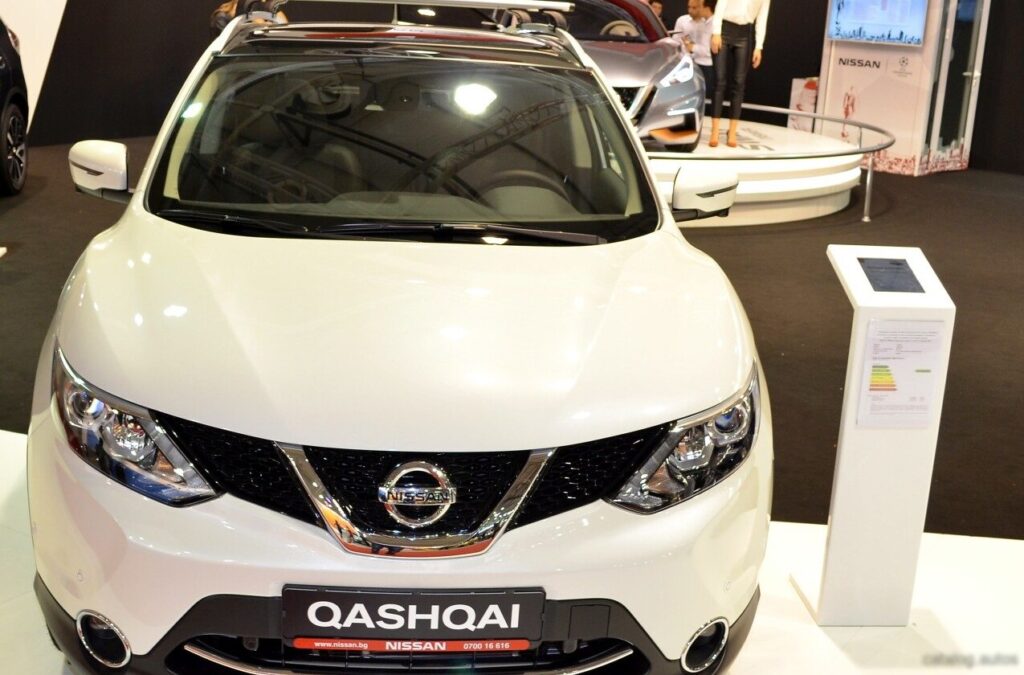
The Nissan Qashqai II (J11) 2.0, producing 141 horsepower, was a mid-range offering within the second generation Qashqai lineup, produced from 2017 to 2019. Positioned above the entry-level 1.2L DIG-T models and below the diesel variants, the 2.0L Qashqai aimed to provide a balance of performance and fuel efficiency for buyers seeking a more responsive driving experience than the smaller displacement engine offered. It represented a significant update over the first-generation Qashqai, built on the CMF (Common Module Family) platform, allowing for increased interior space and improved driving dynamics. The J11 generation Qashqai was a key model for Nissan in the highly competitive European compact SUV/Crossover segment.
Powertrain & Engine Architecture
The heart of the Qashqai II 2.0 is the MR20DD engine, a 1997cc (121.86 cubic inches) inline-four cylinder gasoline engine. This engine utilizes direct fuel injection, a technology that improves fuel economy and power output by injecting fuel directly into the combustion chamber. The MR20DD features a double overhead camshaft (DOHC) valvetrain with Continuously Variable Valve Timing Control System (CVTCS) on both intake and exhaust camshafts, optimizing engine performance across a wider RPM range. The engine produces 141 hp at 6000 rpm and 199 Nm (146.77 lb-ft) of torque at 4400 rpm. The compression ratio is set at 11.2:1. The engine is transversely mounted in the front of the vehicle.
While a Continuously Variable Transmission (CVT) was offered on some Qashqai models, the 2.0L engine was primarily paired with a six-speed manual transmission in many markets. This manual gearbox was chosen to provide a more engaging driving experience and cater to drivers who preferred greater control over gear selection. The transmission’s gear ratios were tuned to maximize acceleration and fuel efficiency, with a final drive ratio designed to balance responsiveness with highway cruising comfort.
Engine Specifications
Key engine specifications include a cylinder bore of 84mm (3.31 inches) and a piston stroke of 90.1mm (3.55 inches). The engine oil capacity is 3.8 liters (4.02 US quarts / 3.34 UK quarts), and Nissan specified a particular oil grade for optimal performance and longevity. The cooling system requires 8.5 liters (8.98 US quarts / 7.48 UK quarts) of coolant. The MR20DD also incorporates a Start & Stop System to further enhance fuel efficiency by automatically shutting off the engine when the vehicle is stationary.
Driving Characteristics
The 2.0L Qashqai offered a noticeable step up in performance compared to the 1.2L models. While not a sports SUV, the 141 hp engine provided adequate power for everyday driving, including highway overtaking and carrying a full load of passengers. The six-speed manual transmission allowed drivers to fully utilize the engine’s powerband, offering precise gear changes and a more connected feel. Acceleration from 0 to 60 mph was typically in the 9-10 second range, depending on load and driving conditions. The engine delivered a relatively linear power delivery, making it easy to modulate throttle response. Compared to the diesel variants, the 2.0L gasoline engine was generally quieter and smoother, but lacked the low-end torque of the diesel engines.
The gear ratios in the six-speed manual transmission were well-chosen for both city and highway driving. First and second gear provided strong acceleration from a standstill, while fifth and sixth gear were geared for comfortable and efficient cruising at higher speeds. The clutch pedal was relatively light and easy to operate, making it suitable for both novice and experienced drivers.
Equipment & Trim Levels
The Qashqai II 2.0 typically came equipped with a solid range of standard features. These included air conditioning, power windows and mirrors, a touchscreen infotainment system with Bluetooth connectivity, and a suite of safety features such as ABS, electronic stability control, and multiple airbags. Interior upholstery was typically cloth, with higher trim levels offering optional leather seats. Dashboard configuration was generally consistent across the range, with a focus on user-friendliness and intuitive controls.
Optional extras available for the 2.0L Qashqai included a panoramic sunroof, navigation system, parking sensors, a rearview camera, and advanced driver-assistance systems such as lane departure warning and blind-spot monitoring. Nissan also offered various styling packages, allowing customers to personalize the appearance of their vehicle.
Chassis & Braking
The Qashqai II 2.0 utilized an independent McPherson strut suspension system at the front, providing a comfortable ride and responsive handling. The rear suspension featured an independent multi-link setup with a stabilizer bar, further enhancing ride quality and stability. The suspension was tuned to strike a balance between comfort and handling, making it suitable for a variety of driving conditions.
Braking duties were handled by ventilated discs at the front (296x26mm) and solid discs at the rear (292x16mm). The braking system was equipped with ABS (Anti-lock Braking System) and electronic brakeforce distribution (EBD) to ensure safe and controlled stopping performance. The steering system was an electric power steering rack and pinion, providing light and precise steering feel.
Market Reception & Comparison
The Nissan Qashqai II 2.0 received generally positive reviews from automotive critics. It was praised for its comfortable ride, spacious interior, and well-equipped features. The 2.0L engine was considered a good compromise between performance and fuel economy, offering a more engaging driving experience than the 1.2L models. However, some critics noted that the engine could feel slightly underpowered when fully loaded or driving uphill.
Compared to the diesel variants, the 2.0L Qashqai offered lower running costs in terms of fuel, but higher maintenance costs due to the more complex gasoline engine. The diesel models provided superior fuel economy and torque, making them ideal for long-distance driving and towing. Compared to competitors such as the Kia Sportage and Hyundai Tucson, the Qashqai II 2.0 was generally considered to be competitive in terms of price, features, and overall value.
Technical Specifications
| Body type | SUV, Crossover |
| Engine Type | Petrol (Gasoline) |
| Engine Displacement | 1997 cm3 (121.86 cu. in.) |
| Number of Cylinders | 4, Inline |
| Power | 141 Hp @ 6000 rpm |
| Torque | 199 Nm (146.77 lb.-ft.) @ 4400 rpm |
| Fuel Consumption (Urban) | 10 l/100 km (23.5 US mpg) |
| Fuel Consumption (Extra Urban) | 8.1 l/100 km (29 US mpg) |
| Fuel Consumption (Combined) | 9.2 l/100 km (25.6 US mpg) |
| Kerb Weight | 1425 kg (3141.59 lbs.) |
| Max. Weight | 1910 kg (4210.83 lbs.) |
| Trunk Space (Minimum) | 648 l (22.88 cu. ft.) |
| Trunk Space (Maximum) | 1730 l (61.09 cu. ft.) |
| Fuel Tank Capacity | 55 l (14.53 US gal) |
| Transmission | 6-speed Manual |
| Drive Type | Front Wheel Drive |
| Length | 4380 mm (172.44 in.) |
| Width | 1838 mm (72.36 in.) |
| Height | 1607 mm (63.27 in.) |
Legacy
The MR20DD engine, while not known for being exceptionally groundbreaking, proved to be a relatively reliable powertrain when properly maintained. Common issues included occasional oil consumption and potential problems with the timing chain tensioner on higher mileage examples. The six-speed manual transmission was also generally durable, although clutch wear was a common concern. On the used car market, the Qashqai II 2.0 represents a good value proposition for buyers seeking a practical and well-equipped compact SUV. Its balance of performance, fuel economy, and features makes it a popular choice among families and individuals alike. However, potential buyers should carefully inspect the vehicle’s maintenance history and address any known issues before purchasing.