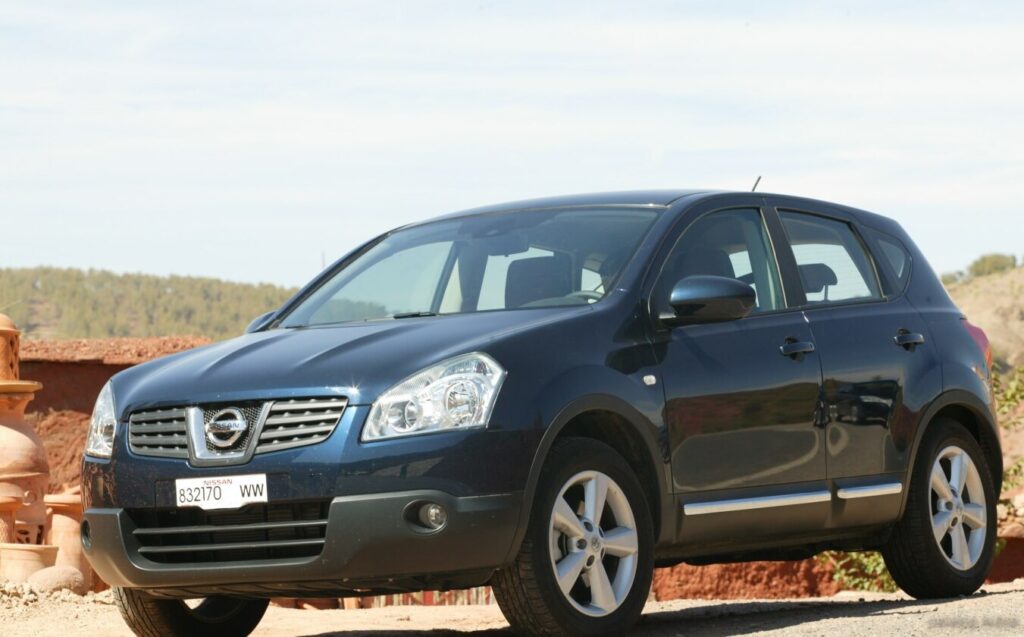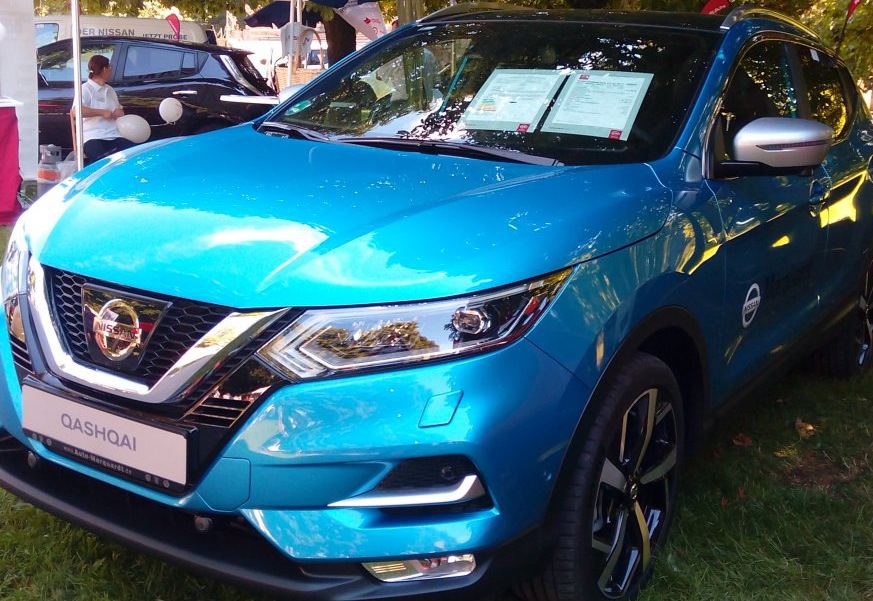
The Nissan Qashqai II (J11), specifically the 1.2 DIG-T (115 Hp) Xtronic variant, was a front-wheel-drive crossover SUV produced from 2017 through August 2018. This model represented a mid-cycle refresh of the second-generation Qashqai, building upon the foundation of the J11 platform, which also underpinned the Renault Kadjar. The 1.2 DIG-T Xtronic occupied a key position in the Qashqai lineup, serving as a popular, fuel-efficient option aimed at buyers prioritizing comfort and ease of use over outright performance. It bridged the gap between the base 1.2 DIG-T manual transmission models and the more powerful 1.6 DIG-T variants.
1.2 DIG-T Xtronic Powertrain & Engine Architecture
The heart of this Qashqai variant is the HRA2DDT 1.2-liter turbocharged four-cylinder gasoline engine. This engine is part of Nissan’s DIG-T (Direct Injection Gasoline – Turbocharged) series, known for its blend of efficiency and respectable power output. The engine displaces 1197 cc (73.05 cubic inches) and features direct fuel injection, a turbocharger with an intercooler, and a double overhead camshaft (DOHC) valvetrain with four valves per cylinder. The compression ratio is set at 10.1:1. Power output is rated at 115 horsepower at 5200 rpm, with peak torque of 165 Nm (121.7 lb-ft) delivered at 1750 rpm. The engine’s relatively small displacement and turbocharging contribute to its fuel efficiency.
Crucially, this variant is paired with Nissan’s Xtronic CVT (Continuously Variable Transmission). Unlike traditional automatic transmissions with fixed gear ratios, the Xtronic CVT utilizes a belt and pulley system to provide a theoretically infinite number of gear ratios within its operating range. This allows the engine to operate consistently near its optimal efficiency point, further enhancing fuel economy. The CVT is programmed to simulate stepped gear changes under heavier acceleration to provide a more familiar driving experience. The transmission is front-wheel drive only; all-wheel drive was not offered with this specific engine and transmission combination.
Fuel Injection and Turbocharging
The direct fuel injection system precisely meters fuel directly into the combustion chamber, improving combustion efficiency and reducing emissions. The turbocharger forces more air into the engine, increasing power output without significantly increasing engine size. The intercooler cools the compressed air from the turbocharger, further enhancing density and performance. These technologies work in concert to deliver a responsive and efficient driving experience.
Driving Characteristics
The 1.2 DIG-T Xtronic Qashqai offers a comfortable and refined driving experience, prioritizing smoothness and ease of use over sporty handling. Acceleration from 0-100 km/h (0-62 mph) takes approximately 12.9 seconds, while 0-60 mph is achieved in around 12.3 seconds. The maximum speed is electronically limited to 173 km/h (107.5 mph). The CVT transmission contributes to a seamless and linear power delivery, although it can sometimes feel less engaging than a traditional automatic or manual gearbox. Under hard acceleration, the CVT will hold the engine at a higher rpm to maximize power, which can result in a noticeable “rubber band” effect. Compared to the more powerful 1.6 DIG-T models, the 1.2 DIG-T Xtronic feels noticeably less brisk, particularly when fully loaded or tackling steep inclines. However, for everyday driving and urban commutes, the 1.2 DIG-T provides adequate performance.
The CVT’s programming is tuned for fuel efficiency, resulting in a relaxed and economical driving style. The vehicle feels most comfortable at cruising speeds on the highway, where the CVT can maintain a low engine speed and deliver smooth, quiet operation.
Equipment & Trim Levels
The 1.2 DIG-T Xtronic trim typically included a generous level of standard equipment. Common features included air conditioning, a touchscreen infotainment system with Bluetooth connectivity, alloy wheels (typically 17-inch), cruise control, and automatic headlights. Safety features such as ABS (Anti-lock Braking System), electronic stability control, and multiple airbags were standard. Interior upholstery was typically cloth, with options for higher-grade materials available. Dashboard configuration was consistent across the Qashqai II range, featuring a modern and functional design. Optional extras included a panoramic sunroof, leather upholstery, a navigation system, and parking sensors. Specific trim levels (e.g., Visia, Acenta, Tekna) dictated the level of standard equipment and available options.
Chassis & Braking
The Qashqai II utilizes a front MacPherson strut suspension and a rear multi-link suspension. This setup provides a good balance between ride comfort and handling. The 1.2 DIG-T Xtronic variant, being one of the lighter engine options, generally benefits from a slightly more compliant ride compared to the heavier 1.6 DIG-T models. Braking is handled by disc brakes on all four wheels. The steering system is an electric power steering (EPS) rack and pinion system, providing light and precise steering feel. Stabilizer bars are fitted to both the front and rear axles to reduce body roll during cornering. The curb weight of this variant is approximately 1285 kg (2832.94 lbs).
Market Reception & Comparison
The Nissan Qashqai II, and specifically the 1.2 DIG-T Xtronic variant, received generally positive reviews from automotive critics. It was praised for its comfortable ride, spacious interior, and fuel efficiency. The CVT transmission was a point of contention for some reviewers, with some finding it less engaging than traditional automatic gearboxes. However, the CVT’s contribution to fuel economy was widely acknowledged. Compared to the 1.6 DIG-T models, the 1.2 DIG-T Xtronic offered lower running costs but less performance. Fuel economy figures are rated at 5.6 l/100 km (42 US mpg, 50.4 UK mpg) combined, with CO2 emissions of 129 g/km (Euro 6 standard). The 1.2 DIG-T Xtronic was positioned as a practical and economical choice for families and commuters.
Technical Specifications
| Body type | SUV, Crossover |
| Engine | 1.2 DIG-T (115 Hp) |
| Engine displacement | 1197 cm3 (73.05 cu. in.) |
| Number of cylinders | 4, Inline |
| Power | 115 Hp @ 5200 rpm |
| Torque | 165 Nm (121.7 lb.-ft.) @ 1750 rpm |
| Fuel type | Petrol (Gasoline) |
| Transmission | Xtronic CVT (Continuously Variable Transmission) |
| Drive | Front-wheel drive |
| Acceleration 0-100 km/h | 12.9 sec |
| Maximum speed | 173 km/h (107.5 mph) |
| Fuel consumption (combined) | 5.6 l/100 km (42 US mpg, 50.4 UK mpg) |
| CO2 emissions | 129 g/km |
| Kerb weight | 1285 kg (2832.94 lbs.) |
| Fuel tank capacity | 55 l (14.53 US gal, 12.1 UK gal) |
| Trunk (boot) space (minimum) | 430 l (15.19 cu. ft.) |
| Trunk (boot) space (maximum) | 1585 l (55.97 cu. ft.) |
Legacy
The 1.2 DIG-T Xtronic powertrain has proven to be generally reliable, although, like any turbocharged engine, it requires regular maintenance, including oil changes with the correct specification oil. The CVT transmission, while efficient, can be more sensitive to neglect than traditional automatic transmissions. Proper fluid changes are crucial for its longevity. On the used car market, this variant of the Qashqai II represents a good value proposition, offering a blend of practicality, fuel efficiency, and affordability. Its relatively low running costs and comfortable driving experience continue to make it a popular choice for buyers seeking a compact crossover SUV.