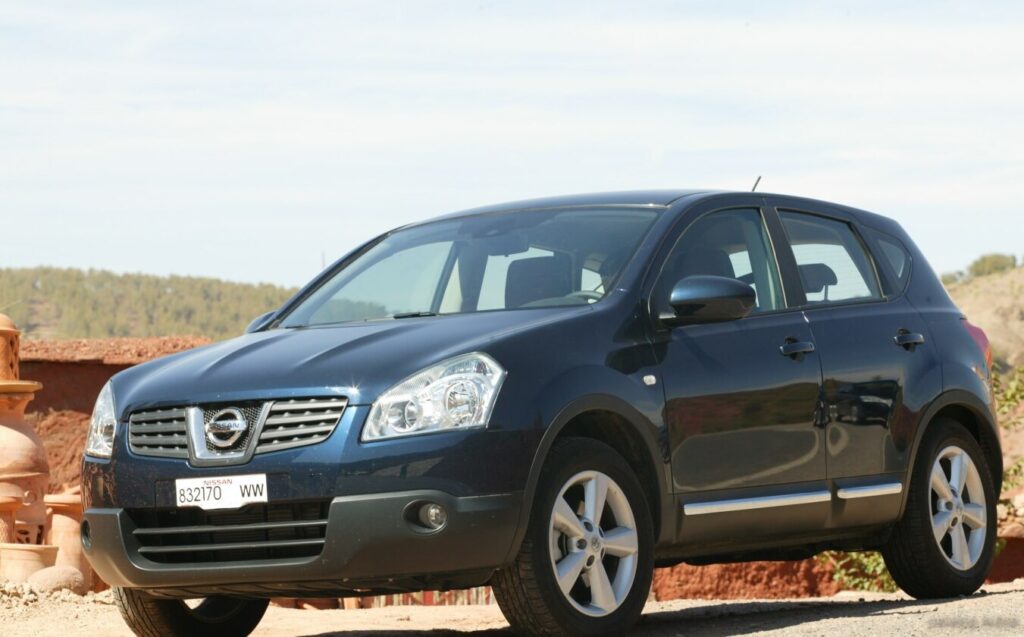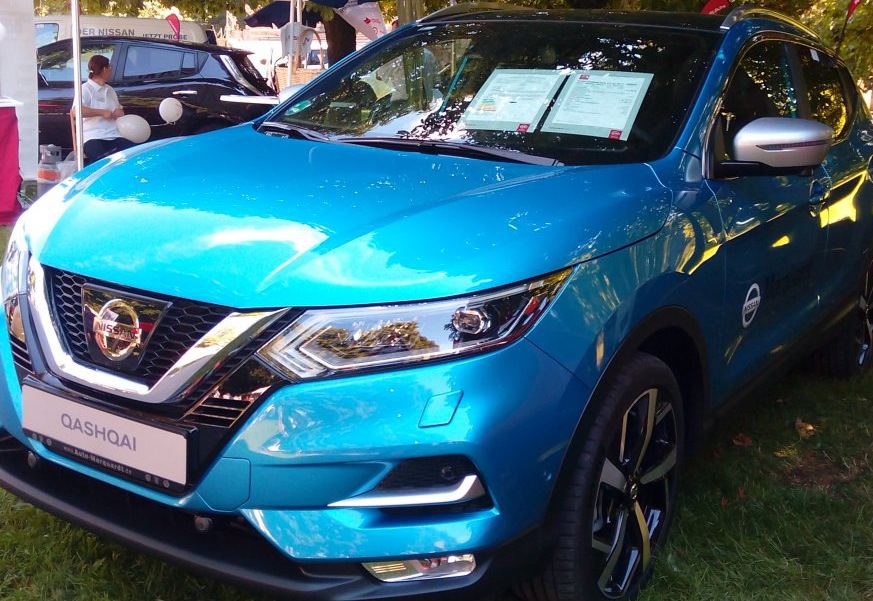
The Nissan Qashqai II (J11), specifically the 1.3i (140 Hp) variant, represents a significant iteration of Nissan’s popular crossover SUV. Introduced in October 2018 as part of the facelifted second-generation Qashqai, this model ran through April 2021. It occupied a mid-range position within the Qashqai lineup, offering a balance between affordability, fuel efficiency, and respectable performance. The J11 Qashqai is built on the CMF-C/D platform, shared with other Renault-Nissan Alliance vehicles, and aimed to compete with established rivals like the Kia Sportage, Hyundai Tucson, and Volkswagen Tiguan.
1.3i (140 Hp) Powertrain & Engine Architecture
The heart of the Qashqai II 1.3i (140 Hp) is the HR13DDT, a 1.3-liter inline-four cylinder gasoline engine. This engine is a key component of the Renault-Nissan-Mercedes-Benz alliance’s modular engine family. It features direct fuel injection and is turbocharged with an intercooler, allowing for a good balance of power and efficiency. The engine produces 140 horsepower at 5000 rpm and 240 Nm (177.01 lb-ft) of torque at 1600 rpm. The compression ratio is 10.5:1. Engine displacement is 1332 cm3 (81.28 cu. in.), with a cylinder bore of 72.2 mm (2.84 in.) and a piston stroke of 81.3 mm (3.2 in.).
The 1.3i engine was paired with a 6-speed manual transmission in most markets. While an automatic transmission was offered in some regions, the 6-speed manual was the more common configuration. The transmission is a conventional, front-wheel-drive setup. All-wheel drive was available on higher trim levels, but not typically paired with this specific engine.
Fuel Injection and Valvetrain
The HR13DDT utilizes a direct injection system, which improves combustion efficiency and reduces emissions. The engine also employs a dual variable valve timing (DVVT) system, optimizing valve opening and closing for improved performance across the rev range. This contributes to the engine’s relatively flat torque curve, making it responsive in everyday driving situations.
Driving Characteristics
The Qashqai II 1.3i (140 Hp) offers a comfortable and refined driving experience, prioritizing ease of use over outright performance. Acceleration from 0-100 km/h (0-62 mph) takes approximately 10.5 seconds, and the top speed is rated at 193 km/h (119.92 mph). While not a particularly sporty vehicle, the turbocharger provides adequate power for merging onto highways and overtaking slower traffic. The 6-speed manual transmission is well-matched to the engine’s characteristics, offering precise shifts and a reasonable gear spread. The engine feels most responsive in the mid-range, providing sufficient torque for everyday driving. Compared to higher-output Qashqai variants, such as those with larger displacement engines, the 1.3i feels less powerful, but it compensates with improved fuel economy.
The steering is light and precise, making the Qashqai easy to maneuver in urban environments. The suspension is tuned for comfort, absorbing bumps and imperfections in the road surface effectively. However, this can result in some body roll during cornering.
Equipment & Trim Levels
The 1.3i (140 Hp) Qashqai typically came equipped with a solid range of standard features. These generally included air conditioning, power windows and mirrors, a touchscreen infotainment system with Bluetooth connectivity, and a suite of safety features such as ABS, electronic stability control, and multiple airbags. Interior upholstery was typically cloth, with options for higher-grade materials on higher trim levels. Dashboard configuration was consistent across the range, featuring a modern and functional design.
Optional extras available for this trim included navigation system, parking sensors, a rearview camera, automatic climate control, and alloy wheels. Higher trim levels often added features such as leather upholstery, heated seats, and a panoramic sunroof. The Qashqai II offered a variety of personalization options, allowing buyers to tailor the vehicle to their specific needs and preferences.
Chassis & Braking
The Qashqai II 1.3i (140 Hp) utilizes an independent McPherson strut suspension setup at the front, providing good ride quality and handling. The rear suspension employs a torsion beam configuration, which is a cost-effective and space-efficient solution. The front brakes are discs, while the rear brakes are typically discs on higher trim levels, but drums on base models. The braking system is assisted by ABS (Anti-lock Braking System) and electronic brakeforce distribution (EBD). The steering system is a rack and pinion type with electric power steering, providing light and precise steering feel.
Tire sizes varied depending on the trim level, with options ranging from 215/60 R17 to 225/45 R19. Wheel rim sizes also varied accordingly, from 7.0J x 17 to 7.0J x 19.
Market Reception & Comparison
The Nissan Qashqai II 1.3i (140 Hp) was generally well-received by critics, who praised its fuel efficiency, comfortable ride, and spacious interior. However, some reviewers noted that the engine could feel underpowered, particularly when fully loaded or driving uphill. Fuel economy figures ranged from 5.3-5.7 l/100 km (44.4-41.3 US mpg) combined, making it a competitive option in its class. Compared to the higher-output Qashqai variants, the 1.3i offered better fuel economy but less performance. It also tended to be more affordable, making it an attractive option for budget-conscious buyers.
In terms of reliability, the HR13DDT engine has proven to be generally reliable, although some owners have reported issues with the turbocharger and direct injection system. Regular maintenance and adherence to Nissan’s recommended service intervals are crucial for ensuring long-term reliability.
Technical Specifications
| Body type | SUV, Crossover |
| Engine | 1.3-liter Inline-4 Turbocharged |
| Engine Code | HR13DDT |
| Power | 140 Hp @ 5000 rpm |
| Torque | 240 Nm (177.01 lb-ft) @ 1600 rpm |
| Fuel Consumption (Combined) | 5.3-5.7 l/100 km (44.4-41.3 US mpg) |
| CO2 Emissions | 121-130 g/km |
| Transmission | 6-speed Manual |
| Drive | Front-Wheel Drive |
| Acceleration 0-100 km/h | 10.5 sec |
| Top Speed | 193 km/h (119.92 mph) |
| Kerb Weight | 1300-1435 kg (2866.01 – 3163.63 lbs) |
| Fuel Tank Capacity | 55 l (14.53 US gal) |
| Trunk Space (Minimum) | 430 l (15.19 cu. ft) |
| Trunk Space (Maximum) | 1598 l (56.43 cu. ft) |
Legacy
The Nissan Qashqai II 1.3i (140 Hp) remains a popular choice in the used car market, offering a good balance of practicality, fuel efficiency, and affordability. The HR13DDT engine, while not the most powerful option, has proven to be relatively reliable with proper maintenance. As a mid-range trim level, it provides a good level of equipment and comfort without the higher price tag of the more premium variants. The Qashqai II, in general, helped solidify Nissan’s position as a leading player in the European crossover SUV segment, and the 1.3i variant played a significant role in its success.
The Qashqai II was replaced by the third generation model in 2021, but the J11 continues to be a viable option for buyers seeking a well-rounded and affordable crossover SUV.