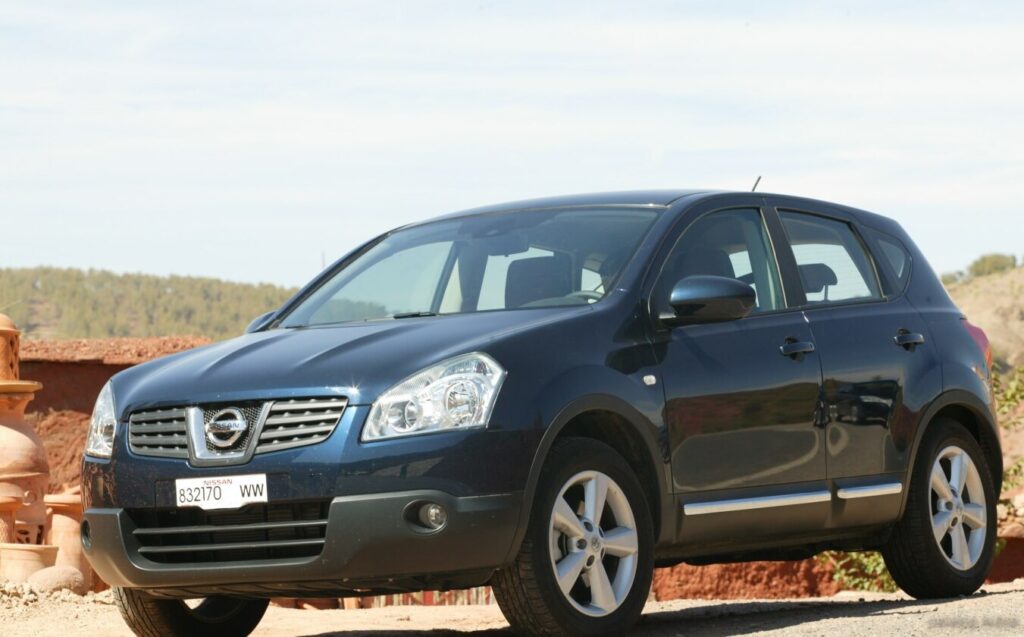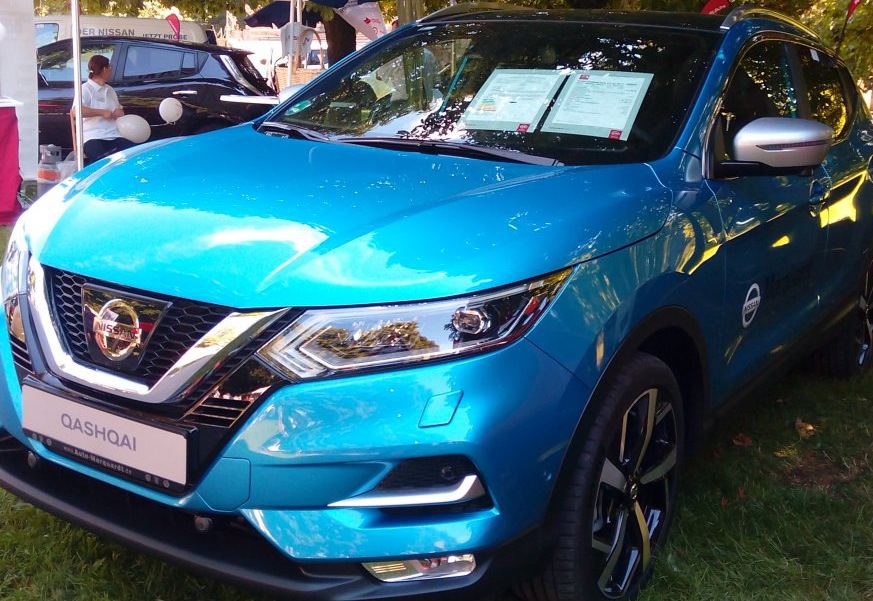
The Nissan Qashqai II (J11), specifically the 1.6 dCi 130 horsepower variant produced from 2017 to October 2018, represents a mid-range offering within the second generation Qashqai lineup. Positioned between the lower-powered diesel options and the gasoline-powered models, this version aimed to balance fuel efficiency with acceptable performance for the compact crossover segment. The J11 Qashqai, a facelift of the original second-generation model, built upon the success of its predecessor, offering updated styling, improved technology, and refined powertrains. This particular 1.6 dCi engine was a key component of Nissan’s European diesel strategy, designed to meet increasingly stringent emissions regulations while providing a competitive driving experience.
1.6 dCi Powertrain & Engine Architecture
The heart of this Qashqai variant is the Renault-Nissan Alliance’s R9M engine, a 1.6-liter inline-four cylinder diesel engine. This engine, designated as the R9M, utilizes a common-rail direct fuel injection system, delivering fuel at extremely high pressure for optimized combustion. The R9M engine in the 130 hp guise features a single turbocharger with an intercooler, enhancing power output and efficiency. The engine boasts a compression ratio of 15.4:1, contributing to its thermal efficiency. It produces 130 hp (97 kW) at 4000 rpm and 320 Nm (236 lb-ft) of torque at 1750 rpm. The engine’s layout is front-transverse, a common configuration for front-wheel-drive vehicles. Engine oil capacity is 5.5 liters (5.81 US qt / 4.84 UK qt) and requires a specification adhering to Renault/Nissan standards. A particulate filter is included as standard equipment to reduce emissions, complying with Euro 6 standards.
Transmission
The 1.6 dCi 130 hp Qashqai was primarily equipped with a 6-speed manual transmission. While an Xtronic CVT (Continuously Variable Transmission) was offered as an option, the manual gearbox was the more common choice, particularly in European markets. The 6-speed manual transmission provides a relatively direct driving experience, with gear ratios tuned for both fuel economy and responsiveness. The transmission’s gear ratios are designed to keep the engine operating within its optimal torque band, maximizing efficiency and minimizing turbo lag.
Driving Characteristics
The 1.6 dCi 130 hp Qashqai offers a balanced driving experience. Acceleration from 0 to 100 km/h (0-62 mph) takes approximately 9.9 seconds, while 0-60 mph is achieved in around 9.4 seconds. Top speed is rated at 190 km/h (118 mph). Compared to the lower-powered diesel variants, the 130 hp version provides noticeably more responsive acceleration, particularly when overtaking or climbing hills. However, it doesn’t offer the outright performance of the gasoline-powered models. The torque output of 320 Nm is readily available from low engine speeds, making it a comfortable and effortless cruiser. The manual transmission allows for greater driver control, while the optional CVT prioritizes smoothness and fuel efficiency. The steering is light and precise, making it easy to maneuver in urban environments. Overall, the driving experience is geared towards comfort and practicality rather than outright sportiness.
Equipment & Trim Levels
The 1.6 dCi 130 hp Qashqai was typically offered in mid-range trim levels, such as N-Connecta and Tekna. Standard equipment generally included air conditioning, a touchscreen infotainment system with Bluetooth connectivity, alloy wheels, cruise control, and a suite of safety features including ABS, ESP (Electronic Stability Program), and multiple airbags. Higher trim levels, like Tekna, added features such as leather upholstery, heated front seats, a panoramic sunroof, and advanced driver-assistance systems like lane departure warning and blind-spot monitoring. Interior upholstery was typically cloth on lower trims, upgrading to leather on higher-spec models. The dashboard layout featured a modern design with a focus on ergonomics and ease of use. Optional extras included a navigation system, a premium sound system, and parking sensors.
Chassis & Braking
The Qashqai II utilizes a front-wheel-drive platform with independent suspension at the front and a torsion beam rear suspension. The suspension setup is tuned for comfort, providing a smooth and controlled ride. The front suspension features MacPherson struts, while the rear torsion beam offers a compact and lightweight solution. Braking duties are handled by disc brakes on all four wheels. The braking system is assisted by ABS (Anti-lock Braking System) and EBD (Electronic Brakeforce Distribution) for enhanced safety. Stabilizer bars are fitted to both the front and rear axles to reduce body roll during cornering. The Qashqai’s chassis is designed to provide a stable and predictable handling experience, making it a confidence-inspiring vehicle to drive.
Market Reception & Comparison
The Nissan Qashqai II 1.6 dCi 130 hp received generally positive reviews from automotive critics. It was praised for its fuel efficiency, comfortable ride, and spacious interior. Critics noted that the 1.6 dCi engine offered a good balance between performance and economy, making it a suitable choice for both urban and long-distance driving. Compared to the lower-powered diesel variants, the 130 hp version was considered to be a significant improvement in terms of responsiveness. Fuel economy figures are rated at 4.4 l/100 km (53.5 US mpg / 64.2 UK mpg) combined, making it an economical choice for drivers covering high mileage. Reliability reports suggest that the R9M engine is generally reliable, although some owners have reported issues with the diesel particulate filter (DPF) and the turbocharger. Compared to the gasoline-powered Qashqai models, the 1.6 dCi offers superior fuel economy but may incur higher maintenance costs due to the complexity of the diesel engine and its emissions control systems.
Technical Specifications
| Body Type | SUV, Crossover |
| Engine Type | 1.6 dCi Diesel |
| Engine Code | R9M |
| Engine Displacement | 1598 cm3 (97.52 cu. in.) |
| Number of Cylinders | 4, Inline |
| Power Output | 130 hp @ 4000 rpm |
| Torque Output | 320 Nm @ 1750 rpm (236.02 lb.-ft. @ 1750 rpm) |
| Fuel Consumption (Urban) | 5.1 l/100 km (46.1 US mpg / 55.4 UK mpg) |
| Fuel Consumption (Extra Urban) | 4.1 l/100 km (57.4 US mpg / 68.9 UK mpg) |
| Fuel Consumption (Combined) | 4.4 l/100 km (53.5 US mpg / 64.2 UK mpg) |
| CO2 Emissions | 116 g/km |
| Acceleration 0-100 km/h | 9.9 sec |
| Acceleration 0-62 mph | 9.9 sec |
| Maximum Speed | 190 km/h (118.06 mph) |
| Kerb Weight | 1370 kg (3020.33 lbs) |
| Fuel Tank Capacity | 55 l (14.53 US gal / 12.1 UK gal) |
| Transmission | 6-speed Manual (Optional CVT) |
| Drive Type | Front-Wheel Drive |
Legacy
The Nissan Qashqai II 1.6 dCi 130 hp remains a popular choice in the used car market. The R9M engine, while generally reliable, requires regular maintenance, particularly concerning the DPF. Proper servicing and the use of high-quality diesel fuel are crucial for ensuring the longevity of the engine and its emissions control systems. The Qashqai’s reputation for practicality, comfort, and fuel efficiency continues to attract buyers looking for a versatile and affordable crossover. While newer Qashqai models offer more advanced technology and improved performance, the J11 1.6 dCi 130 hp represents a solid and dependable option for those seeking a well-rounded and economical vehicle.