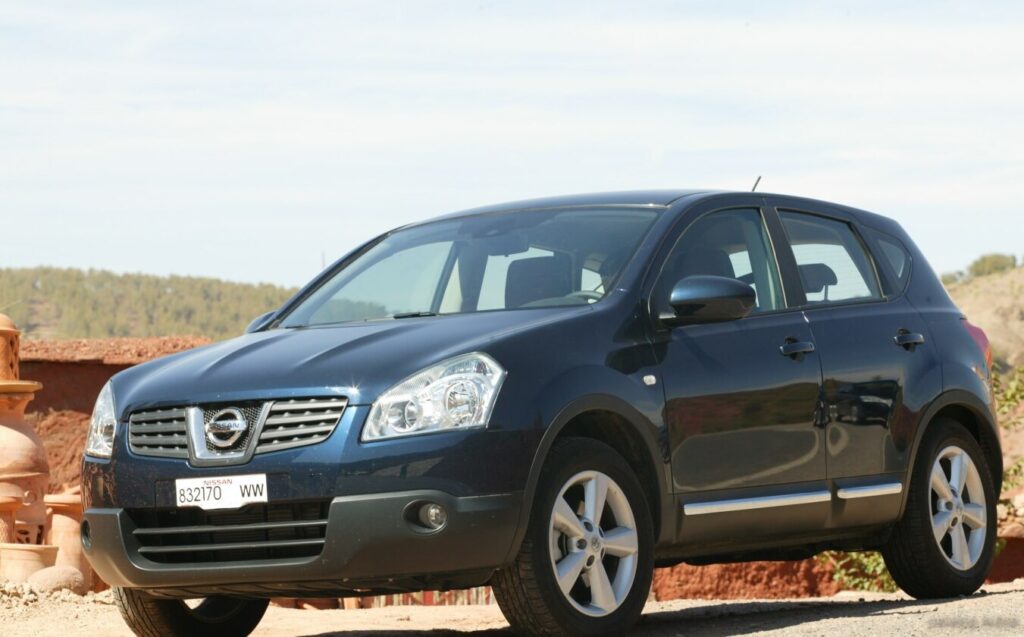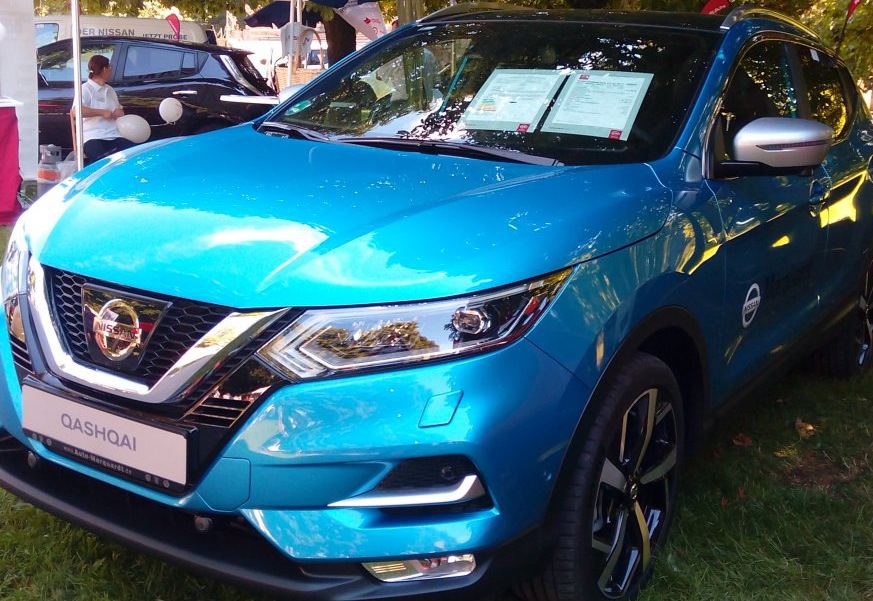
The Nissan Qashqai II (J11), specifically the 1.6 dCi 130 Hp 4×4 variant produced from 2017 to October 2018, represents a mid-range offering within the second generation Qashqai lineup. Positioned as a practical and efficient all-wheel-drive crossover, it aimed to appeal to buyers seeking enhanced traction and fuel economy. This model benefited from the 2017 facelift, incorporating revised styling and updated technology. It was built on the CMF-CD platform, shared with other Renault-Nissan Alliance vehicles, and offered a balance between comfort, space, and capability within the competitive compact SUV segment.
1.6 dCi Powertrain & Engine Architecture
The heart of the Qashqai 1.6 dCi 4×4 is the Renault-Nissan Alliance’s R9M engine. This is a 1.6-liter inline-four cylinder diesel engine, utilizing a common-rail direct fuel injection system. The R9M engine is known for its relatively sophisticated design, incorporating features like a variable geometry turbocharger (VGT) and an intercooler to optimize performance and efficiency. The 130 horsepower output is achieved at 4000 rpm, while peak torque of 320 Nm (236 lb-ft) is delivered at a low 1750 rpm, providing good responsiveness in everyday driving situations. The engine features four valves per cylinder and a compression ratio of 15.4:1. A particulate filter was standard equipment to meet Euro 6 emission standards.
The 4×4 system employed in this Qashqai variant is an intelligent all-wheel-drive system developed by Nissan. It’s primarily front-wheel drive under normal conditions, but can automatically engage the rear wheels when wheel slip is detected. This system enhances stability and traction on slippery surfaces, such as snow, gravel, or wet roads. The system doesn’t feature low-range gearing, making it more suited for on-road and light off-road use rather than serious off-roading.
The transmission paired with the 1.6 dCi engine in this variant is a 6-speed manual gearbox. While an automatic transmission was available on other Qashqai models, the 4×4 version with the 1.6 dCi engine was exclusively offered with a manual transmission during its production run. The gear ratios are tuned to prioritize fuel efficiency and smooth cruising, with a relatively long final drive ratio.
Engine Code Specifics (R9M)
The R9M engine code designates a family of 1.6-liter diesel engines used across several Renault-Nissan models. Variations within the R9M family exist, offering different power outputs. The 130 hp version used in the Qashqai 1.6 dCi 4×4 is a common configuration, balancing performance and fuel economy. The engine is known for its durability, but like all modern diesels, it requires regular maintenance, including timely oil changes and diesel particulate filter (DPF) regeneration.
Driving Characteristics
The Qashqai 1.6 dCi 4×4 offers a composed and comfortable driving experience. The 130 hp engine provides adequate power for most driving situations, although it’s not particularly sporty. Acceleration from 0-100 km/h (0-62 mph) takes approximately 10.5 seconds. The readily available torque at low engine speeds makes it easy to navigate urban traffic and provides sufficient pulling power for highway overtaking. The 6-speed manual transmission is generally smooth and precise, although the shift lever travel can feel a bit long for some drivers.
The all-wheel-drive system enhances grip and stability, particularly on loose or wet surfaces. While not designed for extreme off-road adventures, it provides added confidence in challenging conditions. Compared to the front-wheel-drive Qashqai models, the 4×4 version exhibits slightly heavier steering feel and a marginally increased turning radius due to the added drivetrain components. Compared to the higher-output 1.6 dCi variants (available in other Qashqai trims), this 130 hp version feels less eager to accelerate, but offers improved fuel economy.
Equipment & Trim Levels
The Qashqai 1.6 dCi 4×4 typically came equipped with a reasonable level of standard features. These generally included air conditioning, a touchscreen infotainment system with Bluetooth connectivity, alloy wheels, and a suite of safety features such as ABS, electronic stability control, and multiple airbags. Higher trim levels, such as Tekna, added features like leather upholstery, heated front seats, a panoramic sunroof, and advanced driver-assistance systems like lane departure warning and blind-spot monitoring. Interior upholstery was typically cloth on lower trims, with leather options available on higher-spec models. The dashboard layout was consistent across the Qashqai II range, featuring a user-friendly design with logically arranged controls.
Optional extras included a navigation system, parking sensors, and a premium sound system. The availability of specific options varied depending on the trim level and market.
Chassis & Braking
The Qashqai 1.6 dCi 4×4 utilizes a MacPherson strut front suspension and a multi-link rear suspension. This setup provides a good balance between ride comfort and handling. The suspension is tuned to prioritize comfort, resulting in a relatively soft ride quality. Stabilizer bars are fitted to both the front and rear axles to reduce body roll during cornering. The braking system consists of disc brakes on all four wheels. ABS (Anti-lock Braking System) and Electronic Brakeforce Distribution (EBD) are standard features, enhancing braking performance and stability. The steering system is an electric power-assisted rack and pinion system, providing light and precise steering feel.
Market Reception & Comparison
The Nissan Qashqai 1.6 dCi 4×4 was generally well-received by automotive critics. It was praised for its fuel efficiency, comfortable ride, and practical interior. The all-wheel-drive system was seen as a valuable addition for buyers living in areas with inclement weather. However, some critics noted that the 1.6 dCi engine could feel underpowered when fully loaded or driving uphill. Compared to other trims in the Qashqai lineup, the 1.6 dCi 4×4 offered a compelling combination of fuel economy and all-weather capability. Its fuel consumption figures of around 4.9 l/100 km (48 US mpg) were competitive within its class. Compared to the petrol-powered Qashqai models, the 1.6 dCi 4×4 offered significantly better fuel economy, but at the cost of some refinement and potential higher maintenance costs associated with diesel engines.
Technical Specifications
| Body Type | SUV, Crossover |
| Engine Type | 1.6 dCi Diesel |
| Engine Displacement | 1598 cm3 (97.52 cu. in.) |
| Engine Code | R9M |
| Power Output | 130 Hp @ 4000 rpm |
| Torque Output | 320 Nm @ 1750 rpm (236 lb-ft) |
| Fuel Consumption (Urban) | 5.7 l/100 km (41.3 US mpg) |
| Fuel Consumption (Extra Urban) | 4.5 l/100 km (52.3 US mpg) |
| Fuel Consumption (Combined) | 4.9 l/100 km (48 US mpg) |
| CO2 Emissions | 129 g/km |
| Transmission | 6-speed Manual |
| Drive Type | All-Wheel Drive (4×4) |
| Acceleration 0-100 km/h | 10.5 sec |
| Maximum Speed | 190 km/h (118 mph) |
| Kerb Weight | 1465 kg (3229.77 lbs) |
| Fuel Tank Capacity | 65 l (17.17 US gal) |
| Trunk Space (Minimum) | 430 l (15.19 cu. ft.) |
| Trunk Space (Maximum) | 1585 l (55.97 cu. ft.) |
Legacy
The Nissan Qashqai 1.6 dCi 4×4 has proven to be a relatively reliable vehicle, although, as with any diesel engine, the DPF can be a potential source of issues if not properly maintained. Regular servicing and the use of high-quality diesel fuel are essential for ensuring long-term reliability. On the used car market, these models represent a good value proposition for buyers seeking a practical and fuel-efficient all-wheel-drive crossover. The R9M engine, while generally robust, is known to require occasional attention to the turbocharger and fuel injectors. Overall, the Qashqai 1.6 dCi 4×4 remains a popular choice in the used car market due to its blend of practicality, efficiency, and all-weather capability.