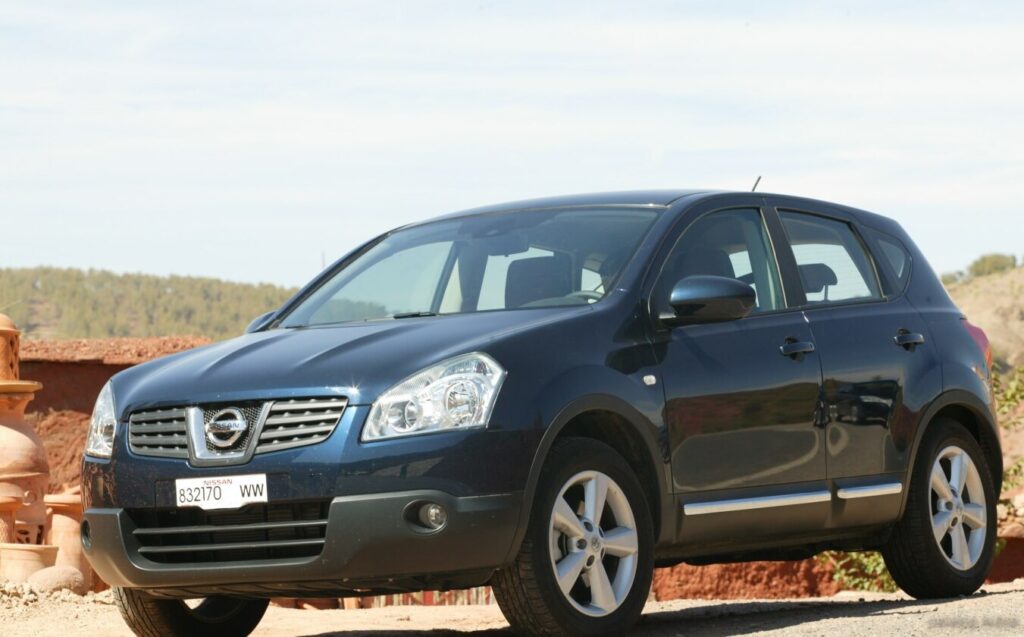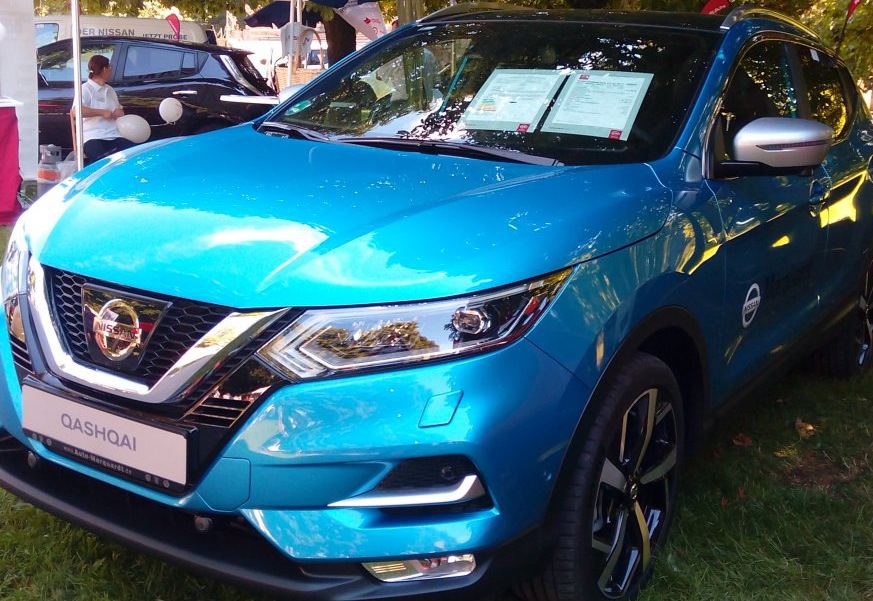
The Nissan Qashqai II (J11), specifically the 1.7 dCi 150 horsepower variant, represents a significant iteration of Nissan’s popular crossover SUV. Introduced with the facelift in 2017 and produced through September 2020, this model occupied a middle ground within the Qashqai II lineup, offering a balance between fuel efficiency, performance, and equipment. It was positioned above the lower-powered diesel options and below the gasoline-powered models, appealing to buyers seeking a practical and economical vehicle for both urban and long-distance driving. The Qashqai II is built on the CMF (Common Module Family) platform, jointly developed by Renault and Nissan, designated as the 1HX0/A3 platform.
1.7 dCi Powertrain & Engine Architecture
The heart of this Qashqai variant is the Renault-Nissan Alliance’s R9N 1.7-liter four-cylinder diesel engine. This engine is a common rail direct injection (CRDI) turbocharged diesel, known for its relatively quiet operation and good fuel economy. The R9N engine produces 150 hp at 3500 rpm and 340 Nm (250.77 lb-ft) of torque at 1750 rpm. The engine features a single overhead camshaft (SOHC) design with four valves per cylinder. The turbocharger, coupled with an intercooler, helps to boost power and efficiency. The fuel injection system utilizes piezo injectors for precise fuel delivery and optimized combustion.
While a six-speed manual transmission was standard, a six-speed dual-clutch transmission (DCT) was also offered as an option in some markets. The DCT provides quicker gear changes and a more refined driving experience, though it can be more complex to maintain than the manual gearbox. The engine’s transverse mounting and front-wheel-drive configuration contribute to its compact footprint and efficient packaging.
Engine Specifications
Key engine specifications include a cylinder bore of 80mm and a piston stroke of 87mm, resulting in a displacement of 1749 cm³ (106.73 cu. in.). The compression ratio is 16.5:1. The engine requires 5.9 liters (6.23 US qt / 5.19 UK qt) of engine oil meeting specific Nissan specifications, and the cooling system holds 7.3 liters (7.71 US qt / 6.42 UK qt) of coolant. A diesel particulate filter (DPF) is standard equipment to meet stringent Euro 6 d-TEMP emissions standards.
Driving Characteristics
The 1.7 dCi 150 hp Qashqai offers a comfortable and composed driving experience. Acceleration from 0 to 100 km/h (0-62 mph) takes approximately 9.5 seconds, while 0-60 mph is achieved in around 9 seconds. The maximum speed is 192 km/h (119.3 mph). The engine delivers strong low-end torque, making it well-suited for everyday driving and overtaking maneuvers. The six-speed manual transmission provides precise gear changes, while the optional DCT offers seamless shifts.
Compared to lower-powered diesel variants, the 150 hp version provides noticeably more responsive acceleration. However, it doesn’t offer the outright performance of the gasoline-powered models. The suspension is tuned for comfort, absorbing bumps and imperfections in the road effectively. The steering is light and precise, making it easy to maneuver in urban environments. The front-wheel-drive configuration provides good stability and predictable handling.
Equipment & Trim Levels
The 1.7 dCi 150 hp Qashqai was typically offered in mid-range trim levels, such as N-Connecta and Tekna. Standard equipment generally included air conditioning, a touchscreen infotainment system with Bluetooth connectivity, alloy wheels, cruise control, and a suite of safety features including ABS, ESP, and multiple airbags. Higher trim levels added features such as leather upholstery, heated front seats, a panoramic sunroof, and advanced driver-assistance systems like lane departure warning and blind-spot monitoring.
Interior upholstery typically consisted of cloth or a combination of cloth and leatherette. The dashboard layout is functional and user-friendly, with logically arranged controls. Optional extras included a premium audio system, navigation system, and parking sensors.
Chassis & Braking
The Qashqai II utilizes a MacPherson strut front suspension and a multi-link rear suspension. This configuration provides a good balance between ride comfort and handling. Stabilizer bars are fitted to both the front and rear axles to reduce body roll during cornering. The braking system consists of ventilated disc brakes on all four wheels. ABS (Anti-lock Braking System) and ESP (Electronic Stability Program) are standard safety features.
The kerb weight of the 1.7 dCi 150 hp Qashqai ranges from 1450 to 1575 kg (3196.7 – 3472.28 lbs), depending on the trim level and optional equipment. The vehicle’s ride height (ground clearance) is 180 mm (7.09 in). Tire sizes typically range from 215/65 R16 to 225/45 R19, depending on the wheel size.
Market Reception & Comparison
The Nissan Qashqai II 1.7 dCi 150 hp received generally positive reviews from automotive critics. It was praised for its fuel efficiency, comfortable ride, and spacious interior. Fuel economy figures range from 4.7-4.8 l/100 km (50-49 US mpg / 60.1-58.9 UK mpg), making it an attractive option for drivers seeking to minimize running costs.
Compared to the lower-powered diesel variants, the 150 hp version offered a noticeable improvement in performance. However, it was slightly less fuel-efficient. Compared to the gasoline-powered models, the 1.7 dCi offered superior fuel economy and torque, but lacked the same level of refinement. Reliability reports suggest that the R9N engine is generally reliable, although the DPF can be prone to clogging if the vehicle is primarily used for short trips.
Technical Specifications
| Body type | SUV, Crossover |
| Engine | 1.7 dCi (150 Hp) |
| Production Years | 2019 – 2020 |
| Fuel Consumption (Urban) | 5.3-5.7 l/100 km (44.4 – 41.3 US mpg) |
| Fuel Consumption (Extra Urban) | 4.2-4.3 l/100 km (56 – 54.7 US mpg) |
| Fuel Consumption (Combined) | 4.7-4.8 l/100 km (50 – 49 US mpg) |
| CO2 Emissions | 123-127 g/km |
| Fuel Type | Diesel |
| Acceleration 0-100 km/h | 9.5 sec |
| Maximum Speed | 192 km/h (119.3 mph) |
| Engine Displacement | 1749 cm³ (106.73 cu. in.) |
| Power | 150 Hp @ 3500 rpm |
| Torque | 340 Nm @ 1750 rpm (250.77 lb.-ft. @ 1750 rpm) |
| Engine Code | R9N |
| Kerb Weight | 1450-1575 kg (3196.7 – 3472.28 lbs.) |
| Trunk Space (Minimum) | 430 l (15.19 cu. ft.) |
| Trunk Space (Maximum) | 1598 l (56.43 cu. ft.) |
| Fuel Tank Capacity | 55 l (14.53 US gal) |
| Transmission | 6-speed Manual/DCT |
Legacy
The Nissan Qashqai II 1.7 dCi 150 hp remains a popular choice in the used car market. The R9N engine, while requiring regular maintenance (particularly regarding the DPF), is generally considered reliable. The Qashqai II’s blend of practicality, fuel efficiency, and comfort continues to appeal to a wide range of buyers. However, potential buyers should be aware of the potential for DPF issues and ensure that the vehicle has been properly maintained. The Qashqai II established Nissan as a major player in the European crossover market, and the 1.7 dCi 150 hp variant played a key role in its success.