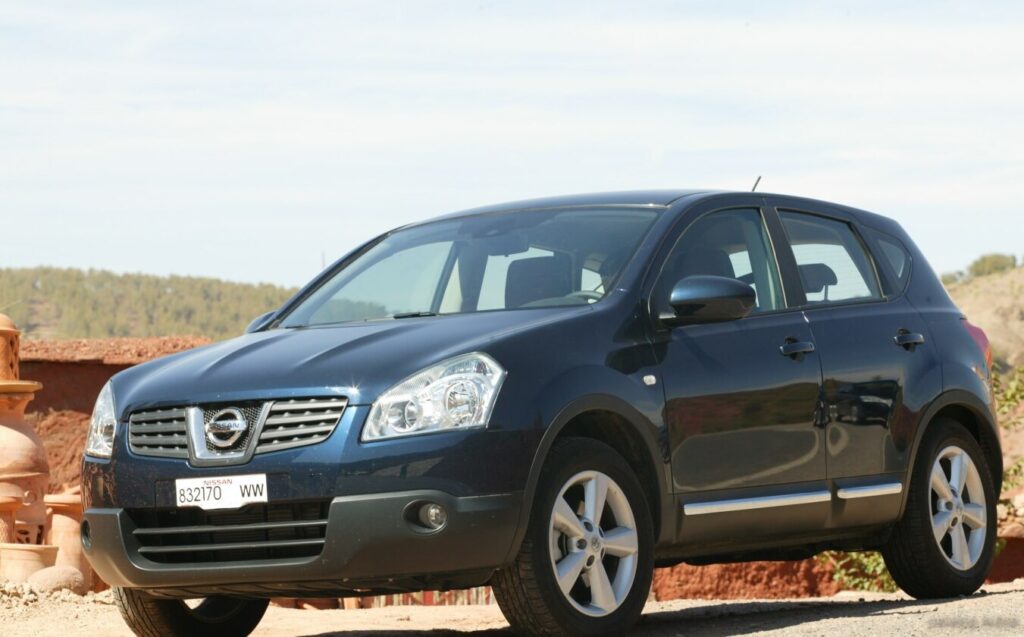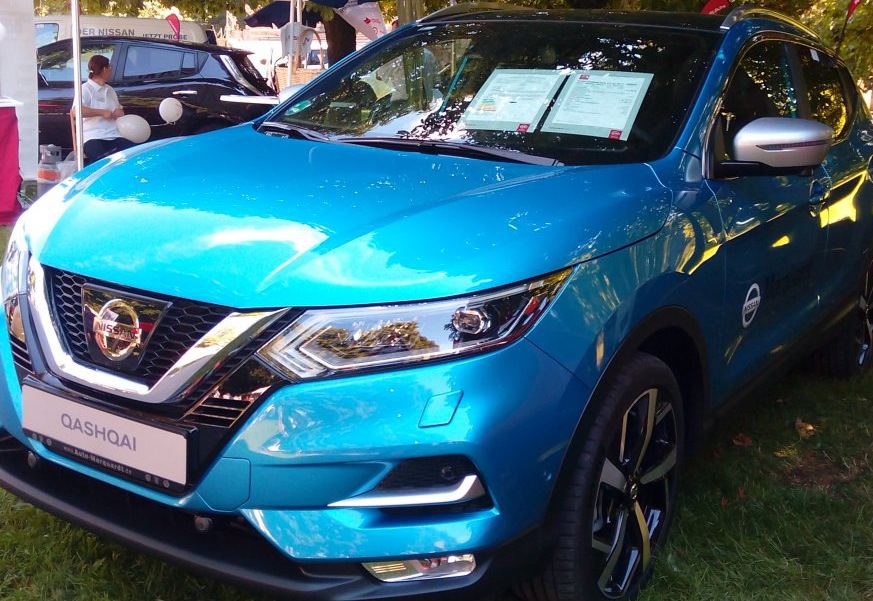
The Nissan Qashqai II (J11), specifically the 1.7 dCi (150 hp) 4×4 Xtronic variant, represents a significant offering within the compact crossover SUV segment. Introduced in January 2019 as part of the facelifted second-generation Qashqai, this model continued in production until September 2020. It occupied a mid-range position in the Qashqai lineup, appealing to buyers seeking a balance between fuel efficiency, all-wheel-drive capability, and the convenience of a continuously variable transmission (CVT). The J11 Qashqai is built on the CMF-C/D platform, shared with other Renault-Nissan Alliance vehicles.
Powertrain & Engine Architecture
At the heart of the Qashqai 1.7 dCi 4×4 Xtronic lies the Renault-Nissan Alliance’s R9N engine. This is a 1.7-liter, inline-four cylinder diesel engine. The R9N engine is a turbocharged diesel, utilizing a common-rail direct fuel injection system. This system, supplied by Delphi, operates at a maximum pressure of 1,800 bar, contributing to efficient combustion and reduced emissions. The engine features a variable geometry turbocharger (VGT) and an intercooler to optimize performance and manage intake air temperature. The engine produces 150 horsepower at 3,500 rpm and 340 Nm (250.77 lb-ft) of torque at 1,750 rpm. The cylinder bore measures 80mm and the piston stroke is 87mm. The engine utilizes four valves per cylinder, enhancing breathing and contributing to its power output.
The “Xtronic” designation refers to Nissan’s CVT (Continuously Variable Transmission). This transmission, unlike traditional automatic transmissions with fixed gear ratios, uses a belt and pulley system to provide a seamless and theoretically infinite number of gear ratios within its operating range. The CVT is paired with Nissan’s ALL-MODE 4×4-i system, an intelligent all-wheel-drive system that automatically adjusts the torque split between the front and rear axles based on road conditions and driver input. The system defaults to front-wheel drive for optimal fuel economy but can seamlessly engage all-wheel drive when traction is needed.
Engine Code Specifics
The R9N engine code is crucial for identifying specific components and service requirements. The engine is known for its relatively robust design, but like all diesel engines, it requires regular maintenance, particularly regarding the diesel particulate filter (DPF). The DPF is a key component in reducing harmful emissions and requires periodic regeneration, either through normal driving conditions or a forced regeneration procedure performed by a qualified technician.
Driving Characteristics
The 1.7 dCi 4×4 Xtronic Qashqai delivers a comfortable and refined driving experience. The CVT, while not offering the immediate response of a traditional automatic or manual transmission, provides smooth acceleration and helps to keep the engine operating within its optimal efficiency range. The 340 Nm of torque is readily available from low engine speeds, providing ample pulling power for everyday driving and overtaking maneuvers. Acceleration from 0 to 100 km/h (0-62 mph) takes approximately 11.2 seconds, which is respectable for a diesel-powered crossover. The all-wheel-drive system enhances stability and traction, particularly on slippery surfaces, making it a capable vehicle in various weather conditions.
Compared to the lower-powered 1.6 dCi variants, the 1.7 dCi offers a noticeable improvement in performance. However, it doesn’t match the responsiveness of the 1.6 DIG-T gasoline engine. The CVT, while convenient, can sometimes feel disconnected from the engine, and some drivers may prefer the more engaging experience of a manual transmission. The Xtronic transmission is programmed to mimic traditional gear shifts under hard acceleration, but the rubber-band feel is still present.
Equipment & Trim Levels
The 1.7 dCi 4×4 Xtronic trim typically included a generous level of standard equipment. Features commonly found on this variant include air conditioning, a touchscreen infotainment system with Bluetooth connectivity, alloy wheels, cruise control, and automatic headlights and wipers. Higher trim levels, such as Tekna, added features like leather upholstery, a panoramic sunroof, a Bose sound system, and advanced safety technologies like lane departure warning and blind-spot monitoring. Interior upholstery was typically cloth on lower trims, with leather options available on higher-spec models. The dashboard layout was consistent across the Qashqai II range, featuring a user-friendly design with logically arranged controls.
Chassis & Braking
The Qashqai II utilizes a MacPherson strut front suspension and a multi-link rear suspension. This setup provides a good balance between ride comfort and handling. The 4×4 models generally feature slightly stiffer suspension components to accommodate the added weight and complexity of the all-wheel-drive system. Braking duties are handled by disc brakes on all four wheels. The braking system is equipped with ABS (Anti-lock Braking System), EBD (Electronic Brakeforce Distribution), and Brake Assist. The Qashqai’s steering is electrically assisted, providing light and precise steering feel.
Market Reception & Comparison
The Nissan Qashqai II, including the 1.7 dCi 4×4 Xtronic variant, was well-received by automotive critics and consumers alike. It was praised for its stylish design, spacious interior, comfortable ride, and fuel efficiency. The 1.7 dCi engine was considered a good compromise between performance and economy. However, some critics noted the CVT’s lack of responsiveness and the potential for DPF issues in diesel engines. Compared to competitors like the Kia Sportage and Hyundai Tucson, the Qashqai offered a compelling package with a strong brand reputation. Fuel economy figures ranged from 5.5 to 5.8 l/100 km (42.8-40.6 US mpg), making it an attractive option for drivers seeking low running costs. Reliability reports generally indicate good overall reliability, although DPF maintenance is a key consideration.
Technical Specifications
| Body Type | SUV, Crossover |
| Engine Type | 1.7 dCi Diesel |
| Engine Displacement | 1749 cm3 (106.73 cu. in.) |
| Engine Code | R9N |
| Power Output | 150 hp @ 3500 rpm |
| Torque Output | 340 Nm (250.77 lb-ft) @ 1750 rpm |
| Transmission | Xtronic CVT |
| Drive Type | All-Wheel Drive (4×4) |
| Acceleration 0-100 km/h | 11.2 sec |
| Maximum Speed | 193 km/h (119.92 mph) |
| Fuel Consumption (Combined) | 5.5-5.8 l/100 km (42.8-40.6 US mpg) |
| CO2 Emissions | 145-154 g/km |
| Kerb Weight | 1580-1665 kg (3483.3 – 3670.7 lbs.) |
| Fuel Tank Capacity | 65 l (17.17 US gal) |
| Trunk Space (Minimum) | 430 l (15.19 cu. ft.) |
| Trunk Space (Maximum) | 1598 l (56.43 cu. ft.) |
Legacy
The Nissan Qashqai II 1.7 dCi 4×4 Xtronic has established itself as a popular and reliable used car option. The R9N engine, while requiring diligent maintenance, is generally considered durable. The CVT transmission, if properly maintained with regular fluid changes, can provide years of trouble-free operation. However, potential buyers should be aware of the potential for DPF issues and ensure that the vehicle has a documented service history. The Qashqai’s combination of practicality, fuel efficiency, and all-wheel-drive capability continues to make it an appealing choice in the used car market, particularly for those seeking a versatile and affordable crossover SUV.