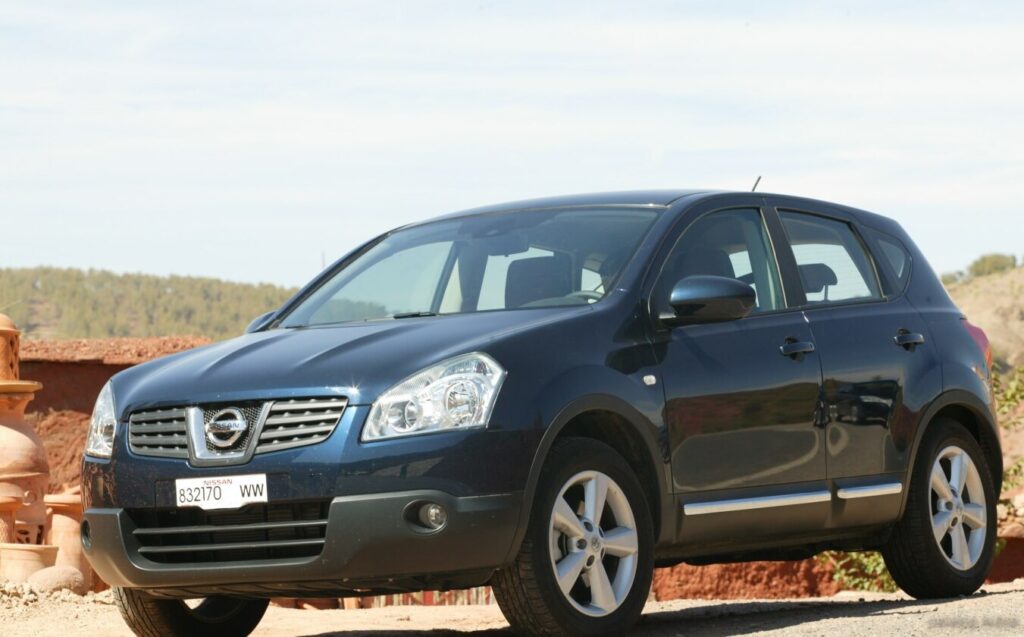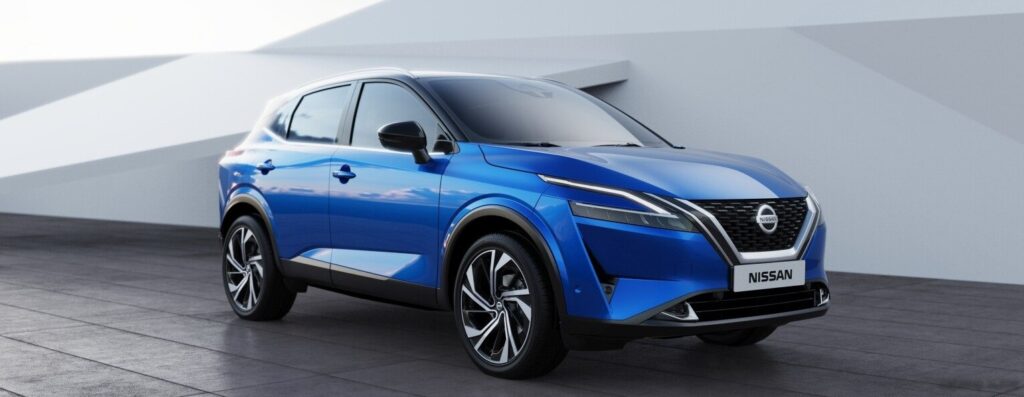
The Nissan Qashqai III (J12) 1.3 DIG-T (158 hp) Mild Hybrid 4×4 Xtronic represents a significant iteration in Nissan’s popular crossover lineup, launched in April 2021 and continuing through June 2024. This variant occupied a mid-range position within the third-generation Qashqai (J12) series, built on the CMF-CD platform, offering a blend of fuel efficiency, all-wheel-drive capability, and a continuously variable transmission (CVT) marketed as “Xtronic.” It aimed to appeal to buyers seeking a practical, comfortable, and technologically advanced family vehicle with enhanced traction for varied weather conditions.
Powertrain & Engine Architecture
At the heart of the Qashqai III 1.3 DIG-T 4×4 Xtronic lies the HR13DDT engine, a 1.3-liter inline-four cylinder gasoline engine. This engine is part of Nissan’s DIG-T (Direct Injection Gasoline – Turbocharged) series, and incorporates a mild hybrid system. The engine boasts a displacement of 1332 cm³ (81.28 cubic inches) and utilizes direct fuel injection combined with a turbocharger and intercooler to achieve a balance of power and efficiency. The engine produces 158 horsepower at 5500 rpm and 270 Nm (199.14 lb-ft) of torque between 1800 and 3750 rpm. The compression ratio is set at 10.5:1, and the engine features four valves per cylinder.
The “Mild Hybrid” aspect of this powertrain involves a 48V electrical system and a small integrated starter generator (ISG). This ISG assists the engine during acceleration, provides regenerative braking to recapture energy, and enables a smoother start/stop system. While not capable of fully electric driving, the mild hybrid system contributes to improved fuel economy and reduced emissions. The Xtronic transmission is a CVT, offering seamless gear changes and optimized engine operation for efficiency. It’s a belt-driven system known for its smooth operation, though it can sometimes exhibit a “rubber band” feel under hard acceleration.
Transmission Details
The Xtronic CVT used in this Qashqai variant is designed to mimic traditional automatic gear changes, but without fixed gear ratios. It utilizes a belt and pulley system to provide a continuously variable range of ratios, allowing the engine to operate at its most efficient point. The CVT is electronically controlled and adapts to driving conditions and driver input. While offering smooth acceleration, some drivers may find the lack of distinct gear shifts less engaging than a traditional automatic transmission.
Driving Characteristics
The Qashqai III 1.3 DIG-T 4×4 Xtronic delivers a comfortable and refined driving experience. Acceleration from 0 to 100 km/h (0-62 mph) takes approximately 9.9 seconds, and 0-60 mph is achieved in around 9.4 seconds. While not a performance-oriented vehicle, the engine provides adequate power for everyday driving situations, including highway merging and overtaking. The CVT transmission contributes to smooth acceleration, but can sometimes feel less responsive than a traditional automatic, particularly when demanding quick bursts of power. The all-wheel-drive system provides enhanced traction in slippery conditions, making it a suitable choice for regions with inclement weather. The steering is light and precise, making it easy to maneuver in urban environments.
Compared to other Qashqai variants, such as those with more powerful engines, the 1.3 DIG-T offers a more fuel-efficient and affordable option. It lacks the outright performance of higher-output models, but provides a balanced combination of practicality and economy. The CVT transmission differentiates the driving experience from models equipped with a manual gearbox, offering a smoother, more relaxed driving style.
Equipment & Trim Levels
The Qashqai III 1.3 DIG-T (158 hp) Mild Hybrid 4×4 Xtronic typically came well-equipped, reflecting its mid-range positioning. Standard features generally included alloy wheels, automatic climate control, a touchscreen infotainment system with smartphone integration (Apple CarPlay and Android Auto), a rearview camera, and a suite of safety features such as automatic emergency braking, lane departure warning, and traffic sign recognition. Interior upholstery was typically cloth or a combination of cloth and synthetic leather. Higher trim levels offered upgrades such as leather seats, a panoramic sunroof, a Bose sound system, and advanced driver-assistance systems like adaptive cruise control and blind-spot monitoring. Optional extras often included metallic paint finishes and various accessory packages.
Chassis & Braking
The Qashqai III utilizes a MacPherson strut front suspension and a multi-link rear suspension, providing a comfortable ride and good handling characteristics. The all-wheel-drive system employs an electronically controlled clutch to distribute torque between the front and rear axles, optimizing traction based on driving conditions. Front brakes are ventilated discs, while rear brakes are solid discs. The vehicle is equipped with ABS (Anti-lock Braking System), electronic brakeforce distribution (EBD), and brake assist. Stabilizer bars are fitted to both the front and rear axles to reduce body roll during cornering. The curb weight ranges from 1502 to 1570 kg (3311.34 to 3461.26 lbs), depending on the specific equipment and options.
Market Reception & Comparison
The Nissan Qashqai III 1.3 DIG-T 4×4 Xtronic received generally positive reviews from automotive critics. It was praised for its comfortable ride, spacious interior, and fuel efficiency. The mild hybrid system was seen as a welcome addition, contributing to reduced emissions and improved economy. However, some critics noted that the CVT transmission could feel less engaging than a traditional automatic, and the engine’s performance was considered adequate but not particularly exciting. Compared to other trims in the Qashqai lineup, the 1.3 DIG-T 4×4 Xtronic offered a compelling balance of price, fuel economy, and all-wheel-drive capability. It competed with other compact crossovers such as the Kia Sportage, Hyundai Tucson, and Volkswagen Tiguan.
Fuel economy figures are rated at approximately 6.2 l/100 km (37.9 US mpg, 45.6 UK mpg) combined, with CO2 emissions of 140 g/km. Real-world fuel economy may vary depending on driving conditions and driver behavior.
Technical Specifications
| Body Type | SUV, Crossover |
| Engine | 1.3 DIG-T (158 Hp) Mild Hybrid |
| Engine Displacement | 1332 cm³ (81.28 cu. in.) |
| Engine Code | HR13DDT |
| Number of Cylinders | 4, Inline |
| Power | 158 hp @ 5500 rpm |
| Torque | 270 Nm (199.14 lb-ft) @ 1800-3750 rpm |
| Transmission | Xtronic (CVT) |
| Drive | All-Wheel Drive (4×4) |
| Acceleration 0-100 km/h | 9.9 sec |
| Maximum Speed | 198 km/h (123.03 mph) |
| Fuel Consumption (Combined) | 6.2 l/100 km (37.9 US mpg, 45.6 UK mpg) |
| CO2 Emissions | 140 g/km |
| Curb Weight | 1502-1570 kg (3311.34 – 3461.26 lbs.) |
| Fuel Tank Capacity | 55 l (14.53 US gal, 12.1 UK gal) |
| Trunk Space (Minimum) | 436 l (15.4 cu. ft.) |
| Trunk Space (Maximum) | 1422 l (50.22 cu. ft.) |
Legacy
The Nissan Qashqai III 1.3 DIG-T 4×4 Xtronic represents a solid and reliable option in the used car market. The HR13DDT engine, while not known for exceptional longevity, has proven to be generally dependable with regular maintenance. The Xtronic CVT transmission, if properly maintained with regular fluid changes, is also considered relatively reliable. The mild hybrid system adds a layer of complexity, but is generally robust. As with any used vehicle, a thorough inspection by a qualified mechanic is recommended before purchase. The Qashqai’s popularity and practicality ensure continued demand in the used car market, making it a viable choice for buyers seeking a comfortable, fuel-efficient, and well-equipped crossover.