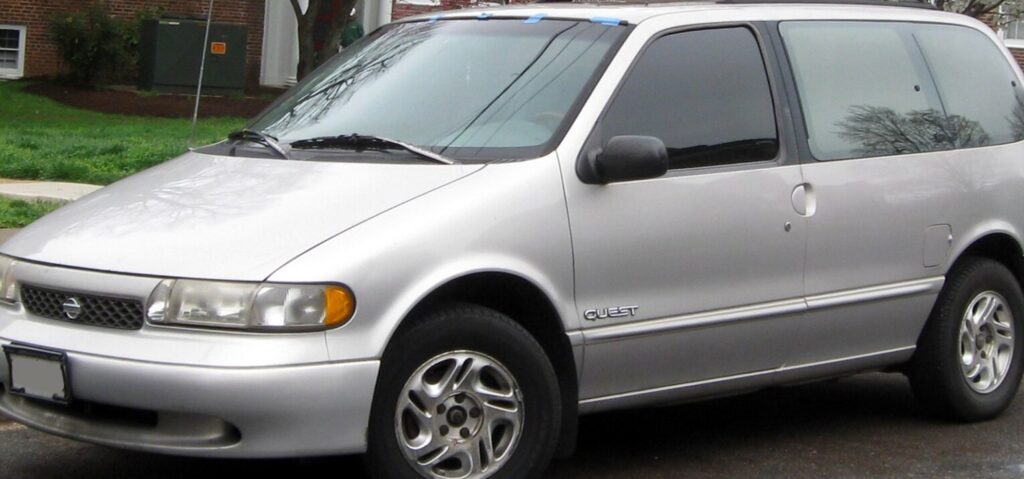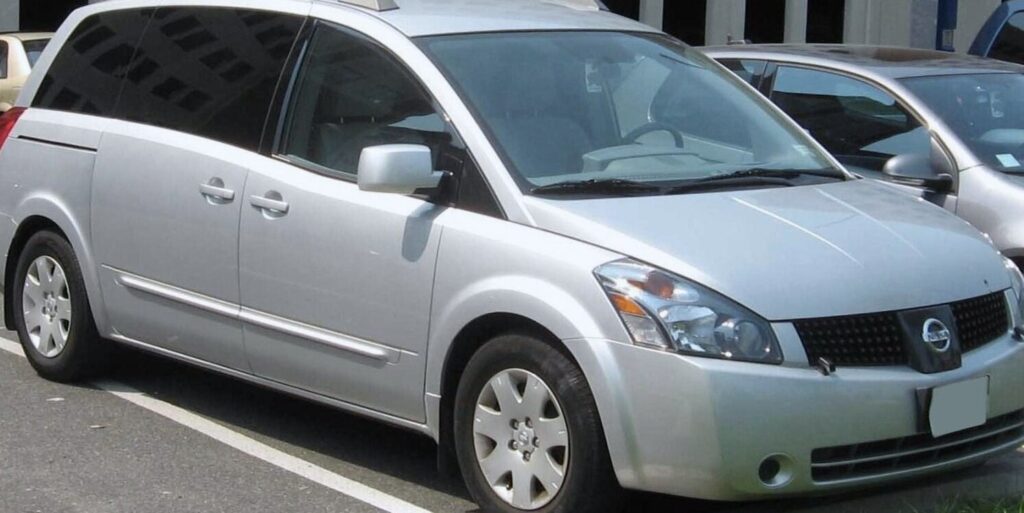
The Nissan Quest (FF-L) 3.5 i V6 24V, producing 233 horsepower, represents the second generation of Nissan’s minivan offering, manufactured from 2003 through 2009. This generation marked a significant departure from the boxier styling of its predecessor, adopting a more contemporary and aerodynamic design. Positioned as a family-focused vehicle, the 3.5 i V6 trim served as the primary, and often sole, offering within the FF-L generation in many markets, providing a balance of power, space, and features aimed at competing with established minivan rivals like the Honda Odyssey and Toyota Sienna. It was built on Nissan’s D platform, shared with other vehicles like the Altima.
Powertrain & Engine Architecture
The heart of the 2003-2009 Nissan Quest 3.5 i is the VQ35DE 3.5-liter V6 engine. This engine is a member of Nissan’s highly regarded VQ engine family, known for its smooth operation, reliability, and relatively high output for its displacement. The VQ35DE is a 60-degree V-engine featuring an aluminum alloy block and cylinder heads. It utilizes a multi-port fuel injection (MPI) system, delivering fuel directly into the intake ports just before the intake valves. This system, while not as advanced as direct injection, proved reliable and effective for the engine’s intended application.
The engine boasts a double overhead camshaft (DOHC) valvetrain with four valves per cylinder (24 valves total), contributing to its efficient breathing and power delivery. The compression ratio is set at 10:1. The engine’s lubrication system requires 4 liters (4.23 US quarts or 3.52 UK quarts) of oil meeting Nissan’s specified requirements. The cooling system holds 10.5 liters (11.1 US quarts or 9.24 UK quarts) of coolant. The VQ35DE is a naturally aspirated engine, meaning it does not employ forced induction like a turbocharger or supercharger.
Paired with the VQ35DE is a 4-speed automatic transmission. This transmission, while adequate for the vehicle’s intended use, is a point of criticism compared to the 5 or 6-speed automatics found in some competing minivans. The gear ratios are tuned for comfortable cruising and reasonable acceleration, prioritizing smooth shifts over outright performance. The transmission is front-wheel drive, sending all power to the front wheels.
Driving Characteristics
The 233 horsepower and 318 Nm (234.54 lb-ft) of torque produced by the VQ35DE engine provide the Quest with adequate, though not exceptional, performance. Acceleration from 0 to 60 mph typically takes around 8-9 seconds. The 4-speed automatic transmission, while smooth, can feel somewhat dated compared to more modern transmissions, particularly when attempting quick overtaking maneuvers. The engine delivers its peak power at 5800 rpm and peak torque at 4400 rpm, meaning drivers need to maintain a reasonable engine speed to access the full power output. Compared to a hypothetical manual transmission version (which was not offered), the automatic prioritizes ease of use over driver engagement. The Quest’s weight, typical for a minivan, contributes to a feeling of substantiality rather than sportiness.
Equipment & Trim Levels
The Nissan Quest 3.5 i V6 24V generally came well-equipped, reflecting its position as a family vehicle. Standard features typically included air conditioning, power windows and locks, keyless entry, and an audio system with a CD player. Higher trim levels, often denoted by options packages, added features such as leather upholstery, a sunroof, upgraded audio systems (including DVD entertainment systems), and power-adjustable front seats. Interior upholstery was typically cloth on base models, with leather available as an upgrade. The dashboard layout was functional and straightforward, prioritizing ease of use. Optional extras included navigation systems, rear climate control, and various accessory packages.
Chassis & Braking
The Quest’s chassis features an independent front suspension with a transverse stabilizer bar, designed to provide a comfortable ride and predictable handling. The rear suspension also utilizes a transverse stabilizer bar, contributing to reduced body roll. The front brakes are ventilated discs, providing ample stopping power. The rear brakes are discs as well, a feature that improved stopping performance compared to earlier minivans that often used rear drums. The Quest is equipped with an Anti-lock Braking System (ABS) as standard, enhancing safety during emergency braking situations. Steering is rack and pinion, providing responsive and accurate control. The vehicle rides on 225/65 R16 tires, balancing ride comfort and handling.
Market Reception & Comparison
The second-generation Nissan Quest was generally well-received by critics, praised for its stylish design, spacious interior, and smooth-running V6 engine. However, the 4-speed automatic transmission was often cited as a weakness, particularly when compared to the more advanced transmissions offered in competing minivans. Fuel economy was considered average for the segment, with EPA estimates typically around 17 mpg city and 24 mpg highway. Reliability was generally good, although some owners reported minor issues with the automatic transmission and electrical components. Compared to the Honda Odyssey and Toyota Sienna, the Quest often offered a more affordable price point, but lacked the same level of refinement and brand recognition.
Technical Specifications
| Engine Model/Code | VQ35DE |
| Engine Displacement | 3498 cm3 (213.46 cu. in.) |
| Number of Cylinders | 6 |
| Engine Configuration | V-engine |
| Cylinder Bore | 95.5 mm (3.76 in.) |
| Piston Stroke | 81.4 mm (3.2 in.) |
| Compression Ratio | 10:1 |
| Number of Valves per Cylinder | 4 |
| Fuel Injection System | Multi-port manifold injection |
| Engine Aspiration | Naturally aspirated |
| Power | 233 Hp @ 5800 rpm |
| Torque | 318 Nm @ 4400 rpm (234.54 lb.-ft. @ 4400 rpm) |
| Engine Oil Capacity | 4 l (4.23 US qt | 3.52 UK qt) |
| Coolant Capacity | 10.5 l (11.1 US qt | 9.24 UK qt) |
| Length | 5184 mm (204.09 in.) |
| Width | 1971 mm (77.6 in.) |
| Height | 1778 mm (70 in.) |
| Wheelbase | 3150 mm (124.02 in.) |
| Front Track | 1700 mm (66.93 in.) |
| Rear Track | 1700 mm (66.93 in.) |
| Drivetrain | Front wheel drive |
| Number of Gears | 4 |
| Gearbox Type | Automatic transmission |
| Tire Size | 225/65 R16 |
Legacy
The Nissan Quest (FF-L) 3.5 i V6 24V, while not a sales leader in its segment, remains a reasonably reliable and affordable option in the used car market. The VQ35DE engine is known for its longevity, and with proper maintenance, can exceed 200,000 miles. The 4-speed automatic transmission is generally durable, although it may exhibit some wear and tear at higher mileages. Common issues reported by owners include minor electrical glitches and wear on suspension components. Overall, the Quest represents a solid choice for families seeking a spacious and comfortable minivan at a budget-friendly price. Its blend of practicality, reliability, and a relatively modern design ensures its continued presence on roads today.