
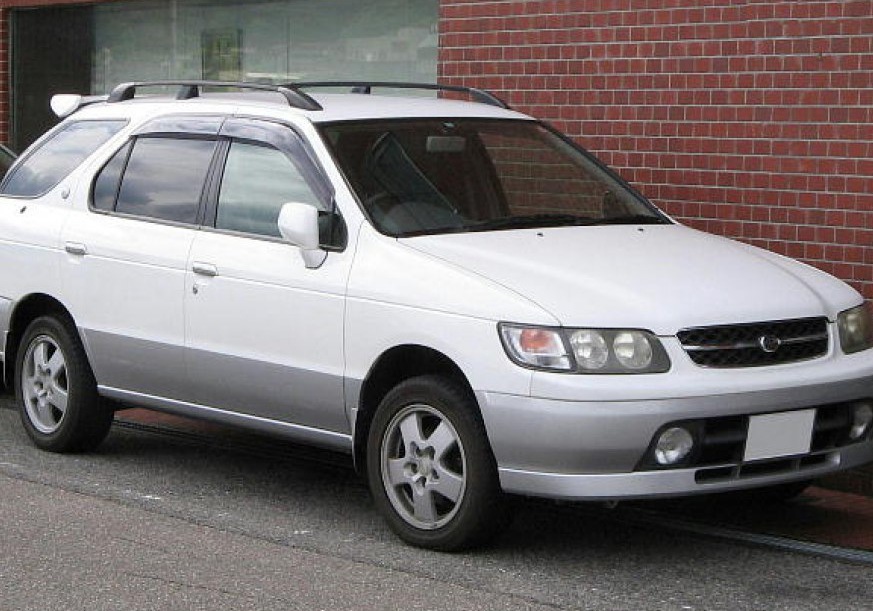
The Nissan R Nessa 2.0 i 16V, produced between 1997 and 2001, was a station wagon (estate) positioned as a practical and family-oriented vehicle within Nissan’s European lineup. It represented a mid-range offering, slotting between more basic models and potentially more luxurious or performance-oriented variants depending on the specific market. The R Nessa was built on Nissan’s platform, offering a spacious interior and a focus on utility. This particular 2.0-liter, 16-valve engine with 140 horsepower was a key configuration for the model, balancing acceptable performance with reasonable fuel economy.
Nissan R Nessa 2.0 i 16V: Powertrain & Engine Architecture
The heart of the R Nessa 2.0 i 16V is the SR20DE engine, a 1998 cc (121.93 cu. in.) inline four-cylinder gasoline engine. This engine is known for its relative reliability and widespread use in various Nissan models of the era. The SR20DE features a cast iron block and an aluminum cylinder head, contributing to a reasonable weight balance. It utilizes a multi-port fuel injection system, delivering fuel directly to each intake port for optimized combustion. The engine employs a double overhead camshaft (DOHC) valvetrain with four valves per cylinder, enhancing volumetric efficiency and contributing to the engine’s 140 hp output at 5800 rpm. Peak torque of 181 Nm (133.5 lb.-ft.) is achieved at 4800 rpm. The compression ratio is set at 10:1, a common figure for naturally aspirated engines of this period.
The R Nessa 2.0 i 16V was typically paired with a four-speed automatic transmission. While not known for its sportiness, this transmission was chosen for its ease of use and suitability for the target audience – families and drivers prioritizing comfort over performance. The automatic transmission’s gear ratios were geared towards fuel efficiency and smooth cruising, rather than rapid acceleration. Specific gear ratios varied slightly depending on the year and market, but generally prioritized a comfortable driving experience.
Engine Codes and Variations
While the SR20DE was the primary engine used, minor variations existed depending on the specific market and emissions regulations. These variations typically involved adjustments to the engine control unit (ECU) mapping and potentially slight differences in intake or exhaust systems. However, the core engine architecture remained consistent throughout the production run of the R Nessa 2.0 i 16V.
Driving Characteristics
The Nissan R Nessa 2.0 i 16V with the automatic transmission offered a comfortable, if not particularly exciting, driving experience. Acceleration was adequate for everyday driving, with a 0-60 mph time estimated around 11-12 seconds. The automatic transmission, while smooth, lacked the responsiveness of a manual gearbox. The engine delivered its power in a linear fashion, with a noticeable surge in torque around 3000-4000 rpm. Compared to a manual transmission-equipped R Nessa, the automatic version felt noticeably slower, particularly during overtaking maneuvers. The weight-to-power ratio of 10.3 kg/hp meant that the car wasn’t designed for spirited driving. However, the focus was on providing a reliable and comfortable ride for passengers and cargo.
The steering was light and easy, making it well-suited for urban driving. The suspension, while comfortable, could feel somewhat soft when cornering, resulting in noticeable body roll. Overall, the driving experience was geared towards practicality and ease of use, rather than performance.
Equipment & Trim Levels
The Nissan R Nessa 2.0 i 16V typically came equipped with a reasonable level of standard features for its time. These included power windows, central locking, power steering, and an AM/FM radio. Air conditioning was often standard, but could be optional depending on the market. Interior upholstery was typically cloth, with a durable and practical design. The dashboard layout was functional and straightforward, prioritizing ease of use. Optional extras included alloy wheels, a sunroof, and upgraded audio systems. Higher trim levels, if available, might have added features such as leather upholstery, wood trim, and more advanced audio systems.
Chassis & Braking
The R Nessa 2.0 i 16V utilized a front-engine, front-wheel-drive layout. The front suspension consisted of coil springs, while the rear suspension employed a leaf spring setup. This combination provided a comfortable ride, but wasn’t particularly sophisticated in terms of handling. The front brakes were ventilated discs, offering adequate stopping power, while the rear brakes were drums. This configuration was common for vehicles in this price range during the late 1990s and early 2000s. An Anti-lock Braking System (ABS) was included as a standard safety feature, enhancing braking performance and stability, particularly on slippery surfaces. The steering system was a rack and pinion type with hydraulic power assistance, providing light and easy steering.
Market Reception & Comparison
The Nissan R Nessa 2.0 i 16V was generally well-received as a practical and reliable family vehicle. Critics praised its spacious interior, comfortable ride, and reasonable fuel economy. However, the automatic transmission was often criticized for its lack of responsiveness. Compared to other station wagons in its class, such as the Ford Focus Estate or the Opel/Vauxhall Astra Estate, the R Nessa offered a competitive level of equipment and practicality. In terms of fuel economy, the 2.0-liter engine delivered around 28-32 mpg on a combined cycle, which was comparable to its rivals. Reliability was generally good, with the SR20DE engine proving to be a durable and long-lasting unit. However, some owners reported issues with the automatic transmission over time.
Technical Specifications
| Brand | Nissan |
| Model | R Nessa |
| Generation | R Nessa |
| Type (Engine) | 2.0 i 16V (140 Hp) |
| Start of production | 1997 year |
| End of production | 2001 year |
| Powertrain Architecture | Internal Combustion engine |
| Body type | Station wagon (estate) |
| Seats | 5 |
| Doors | 5 |
| Fuel Type | Petrol (Gasoline) |
| Maximum speed | 170 km/h (105.63 mph) |
| Weight-to-power ratio | 10.3 kg/Hp |
| Weight-to-torque ratio | 8 kg/Nm |
| Power | 140 Hp @ 5800 rpm |
| Torque | 181 Nm @ 4800 rpm (133.5 lb.-ft. @ 4800 rpm) |
| Engine layout | Front, Transverse |
| Engine displacement | 1998 cm3 (121.93 cu. in.) |
| Number of cylinders | 4 |
| Engine configuration | Inline |
| Cylinder Bore | 86 mm (3.39 in.) |
| Piston Stroke | 86 mm (3.39 in.) |
| Compression ratio | 10:1 |
| Number of valves per cylinder | 4 |
| Fuel injection system | Multi-port manifold injection |
| Engine aspiration | Naturally aspirated engine |
| Valvetrain | DOHC |
| Kerb Weight | 1440 kg (3174.66 lbs.) |
| Max. weight | 1715 kg (3780.93 lbs.) |
| Max load | 275 kg (606.27 lbs.) |
| Trunk (boot) space – minimum | 485 l (17.13 cu. ft.) |
| Trunk (boot) space – maximum | 1615 l (57.03 cu. ft.) |
| Fuel tank capacity | 65 l (17.17 US gal | 14.3 UK gal) |
| Length | 4680 mm (184.25 in.) |
| Width | 1765 mm (69.49 in.) |
| Height | 1765 mm (69.49 in.) |
| Wheelbase | 2800 mm (110.24 in.) |
| Front track | 1535 mm (60.43 in.) |
| Rear (Back) track | 1520 mm (59.84 in.) |
| Drivetrain Architecture | Front wheel drive |
| Front suspension | Coil spring |
| Rear suspension | Leaf spring |
| Front brakes | Ventilated discs |
| Rear brakes | Drum |
| Assisting systems | ABS (Anti-lock braking system) |
| Steering type | Steering rack and pinion |
| Power steering | Hydraulic Steering |
| Tires size | 205/65 R15 S |
Legacy
The Nissan R Nessa 2.0 i 16V, while not a particularly iconic model, remains a reasonably well-regarded vehicle among enthusiasts and used car buyers. The SR20DE engine is known for its durability and relatively simple maintenance requirements. However, the automatic transmission can be a potential weak point, and regular servicing is essential to prevent issues. Today, the R Nessa 2.0 i 16V can be found in the used car market at affordable prices, making it an attractive option for those seeking a practical and reliable station wagon. Its spacious interior and comfortable ride continue to appeal to buyers looking for a family-friendly vehicle.
