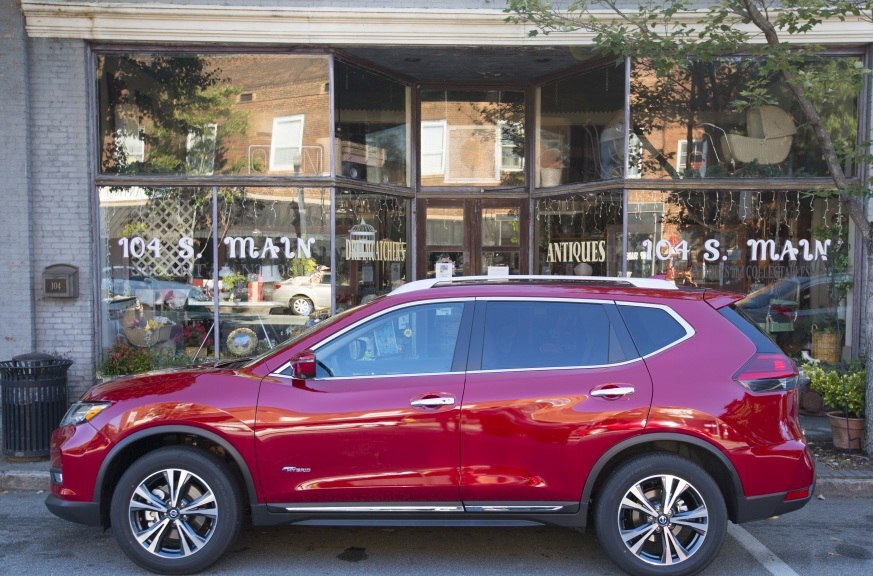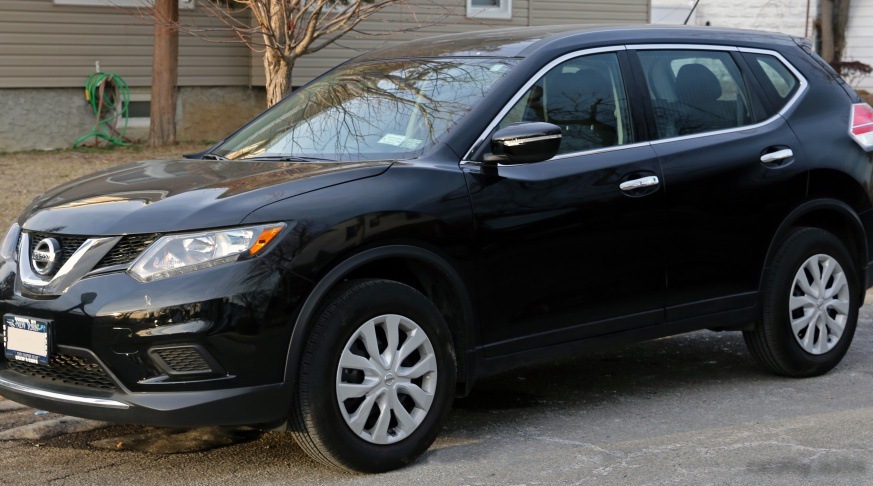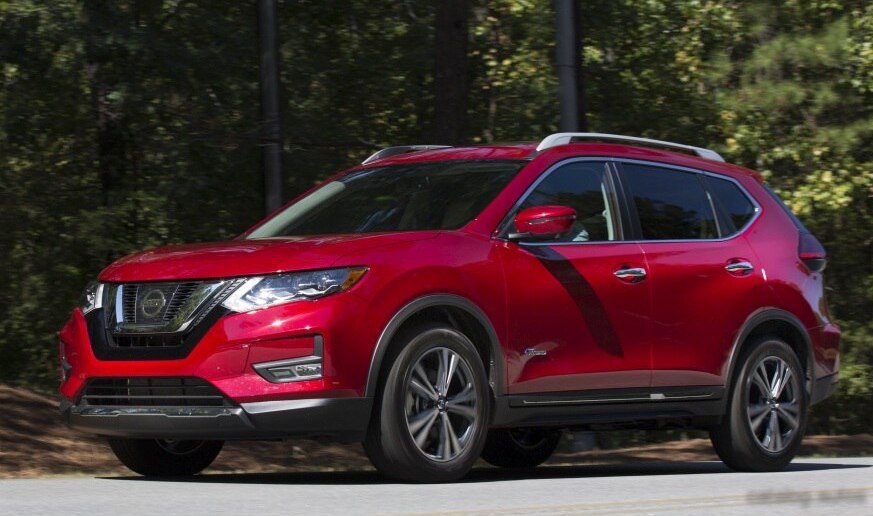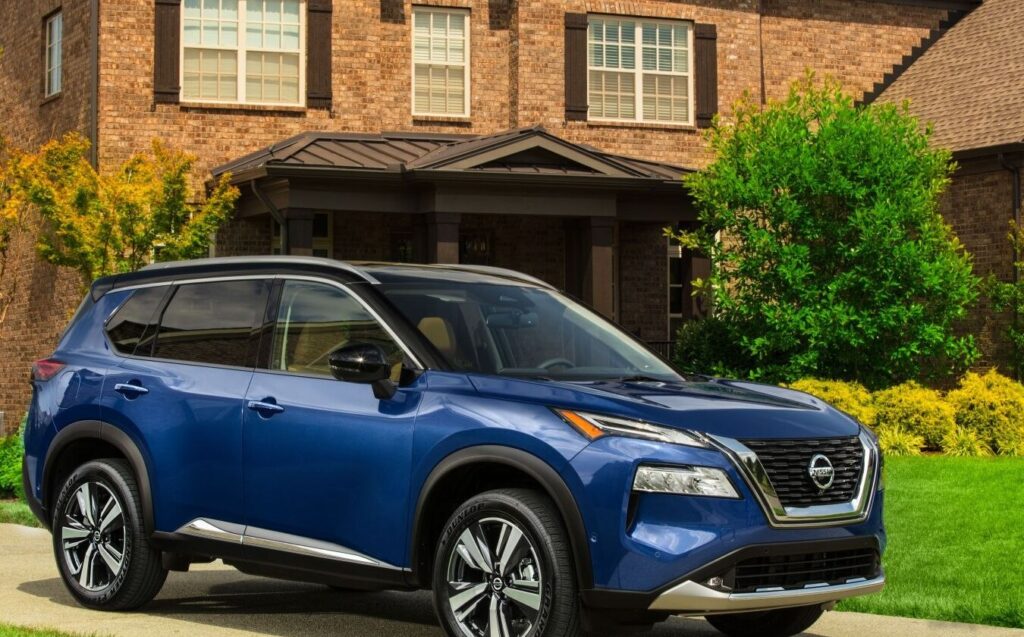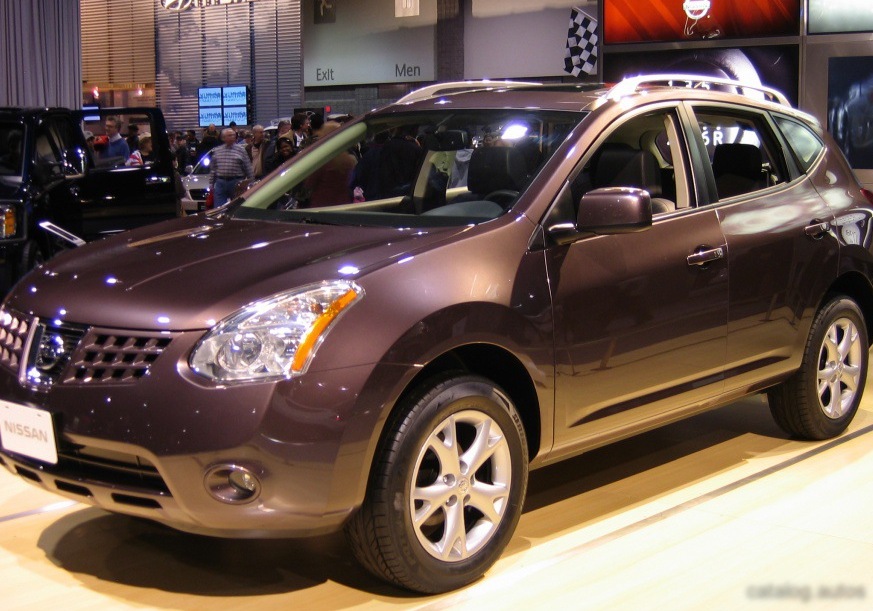
The Nissan Rogue, known as the X-Trail in markets outside of North America, was introduced for the 2008 model year as a compact crossover SUV. The first generation, designated the S35 chassis code, represented Nissan’s entry into the burgeoning compact SUV segment. Among the various configurations offered, the 2.5i model with 170 horsepower and a Continuously Variable Transmission (CVT) paired with All-Wheel Drive (AWD) occupied a significant position as a mainstream, well-equipped option. Production of this specific variant ran from 2008 through 2011, serving as a core offering throughout the first generation’s lifespan.
Nissan Rogue I (S35) 2.5i AWD CVT: An Overview
The 2.5i AWD CVT trim of the Rogue was positioned as a mid-range offering, balancing affordability with a desirable feature set. It sat above the base model, which typically offered fewer standard amenities and sometimes featured front-wheel drive, and below potential limited edition or higher-trim packages that might include leather interiors or advanced technology options. This configuration aimed to appeal to families and individuals seeking a practical, comfortable, and capable vehicle for everyday use and light-duty adventures.
Powertrain & Engine Architecture
At the heart of the Rogue 2.5i AWD CVT lies the QR25DE 2.5-liter inline four-cylinder engine. This engine is a naturally aspirated powerplant, meaning it relies solely on atmospheric pressure to induce airflow, rather than forced induction like a turbocharger or supercharger. The QR25DE utilizes multi-port fuel injection, delivering fuel directly into the intake ports just before the intake valves. This system, common for its time, provides a balance between efficiency and performance. The engine features a double overhead camshaft (DOHC) valvetrain with four valves per cylinder, contributing to improved breathing and power output. The compression ratio is set at 10.5:1.
The engine produces 170 horsepower at 5600 rpm and 237 Nm (174.8 lb-ft) of torque at 4400 rpm. This power is then channeled through a Continuously Variable Transmission (CVT). Nissan’s CVT, while offering smooth and stepless gear changes, was designed to mimic traditional automatic gear ratios for a more familiar driving experience. The AWD system is reactive, meaning it typically operates in front-wheel drive and engages the rear wheels when wheel slip is detected, enhancing traction in inclement weather or on loose surfaces. The engine requires 4.6 liters (4.86 US quarts) of oil with a specific viscosity grade as recommended by Nissan.
Driving Characteristics
The driving experience in the Rogue 2.5i AWD CVT is characterized by smooth acceleration and a focus on comfort. The CVT eliminates the noticeable gear shifts of a traditional automatic transmission, resulting in a seamless power delivery. However, this smoothness can sometimes be perceived as a lack of responsiveness, particularly during quick acceleration maneuvers. The engine, while adequate for everyday driving, doesn’t offer particularly strong performance. The weight-to-power ratio of 9.2 kg/Hp (109 Hp/tonne) reflects this; the Rogue isn’t a sporty vehicle, but it provides sufficient power for merging onto highways and navigating city streets. The AWD system provides added confidence in slippery conditions, but it doesn’t transform the Rogue into an off-road specialist. The CVT is programmed to hold lower “gear ratios” under heavy acceleration, simulating a traditional automatic transmission, but it prioritizes fuel efficiency over outright performance.
Equipment & Trim Levels
The 2.5i AWD CVT trim typically included standard features such as air conditioning, power windows and locks, keyless entry, and a basic audio system with a CD player. Safety features included anti-lock brakes (ABS) and multiple airbags. Upholstery was generally cloth, with options for upgraded materials available. Optional extras often included a sunroof, upgraded audio systems with auxiliary inputs, and alloy wheels. The dashboard layout was functional and straightforward, prioritizing ease of use over stylistic flair. Later model years saw the addition of features like Bluetooth connectivity and a rearview camera as optional or standard equipment.
Chassis & Braking
The Rogue I (S35) utilizes an independent coil spring suspension in the front and an independent multi-link suspension in the rear. This suspension setup provides a comfortable ride quality, absorbing bumps and irregularities in the road surface effectively. The front brakes are ventilated discs, offering good stopping power, while the rear brakes are also ventilated discs, a feature that distinguishes it from some base models which may have used drum brakes. The steering system is a rack and pinion setup, providing responsive and precise steering feel. Tire sizes varied depending on the trim level, with options ranging from 215/70 R16 to 225/60 R17 and 225/55 R18. Wheel rim sizes correspondingly ranged from 6.5J x 16 to 7.0J x 17 and 7.0J x 18.
Market Reception & Comparison
The Nissan Rogue 2.5i AWD CVT was generally well-received by critics as a practical and comfortable crossover SUV. It was praised for its spacious interior, comfortable ride, and available AWD system. However, some reviewers noted the engine’s lack of power and the CVT’s sometimes-sluggish response. Compared to other trims in the Rogue lineup, the 2.5i AWD CVT offered a good balance between price and features. The base model was more affordable but lacked some of the desirable amenities, while higher trims were more expensive. In terms of fuel economy, the 2.5i AWD CVT achieved reasonable figures for its class, though it wasn’t class-leading. Reliability was generally considered good, although some owners reported minor issues with the CVT over the long term.
Technical Specifications
| Engine Model/Code | QR25DE |
| Engine Displacement | 2488 cm3 (151.83 cu. in.) |
| Number of Cylinders | 4, Inline |
| Cylinder Bore | 89 mm (3.5 in.) |
| Piston Stroke | 100 mm (3.94 in.) |
| Compression Ratio | 10.5:1 |
| Number of Valves per Cylinder | 4 |
| Fuel Injection System | Multi-port manifold injection |
| Engine Aspiration | Naturally aspirated |
| Engine Oil Capacity | 4.6 l (4.86 US qt | 4.05 UK qt) |
| Coolant Capacity | 7.3 l (7.71 US qt | 6.42 UK qt) |
| Kerb Weight | 1560 kg (3439.21 lbs.) |
| Max. Weight | 1969 kg (4340.9 lbs.) |
| Max Load | 409 kg (901.69 lbs.) |
| Trunk (boot) space – maximum | 1640 l (57.92 cu. ft.) |
| Fuel Tank Capacity | 60 l (15.85 US gal | 13.2 UK gal) |
| Length | 4646 mm (182.91 in.) |
| Width | 1801 mm (70.91 in.) |
| Height | 1659 mm (65.31 in.) |
| Wheelbase | 2690 mm (105.91 in.) |
| Drag Coefficient (Cd) | 0.37 |
| Minimum Turning Circle | 11.4 m (37.4 ft.) |
| Drive Wheel | All wheel drive (4×4) |
| Number of Gears & Type | automatic transmission CVT |
Legacy
The Nissan Rogue I (S35) 2.5i AWD CVT, while not without its shortcomings, proved to be a reliable and practical vehicle for many owners. The QR25DE engine, when properly maintained, is known for its durability. The CVT, however, is the component most likely to require attention over the long term, with some units experiencing issues with shuddering or failure. In the used car market today, these Rogues are generally affordable and represent a good value for buyers seeking a compact crossover SUV. Their age and mileage mean that maintenance records are crucial, and a thorough inspection of the CVT is highly recommended before purchase. The Rogue I laid the foundation for the successful Rogue/X-Trail line, establishing Nissan as a major player in the competitive compact SUV segment.