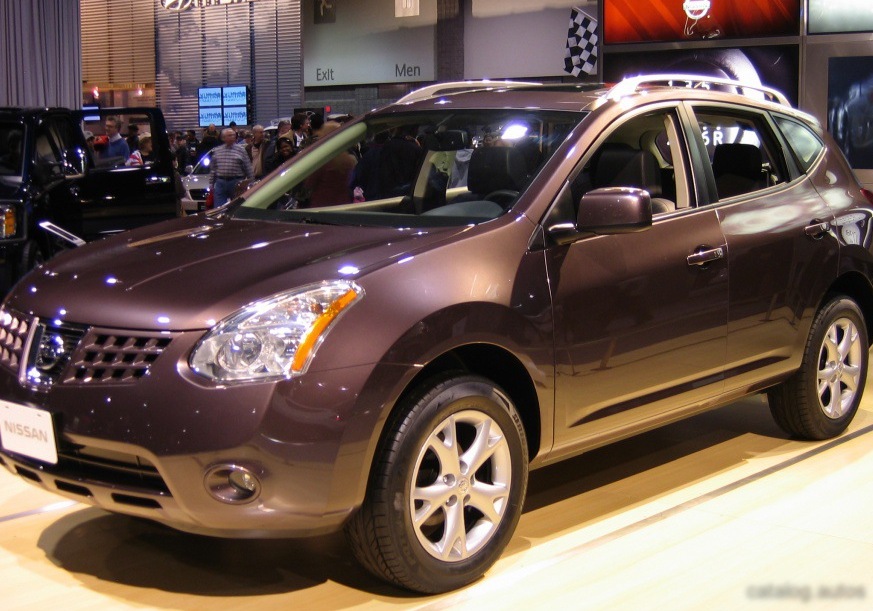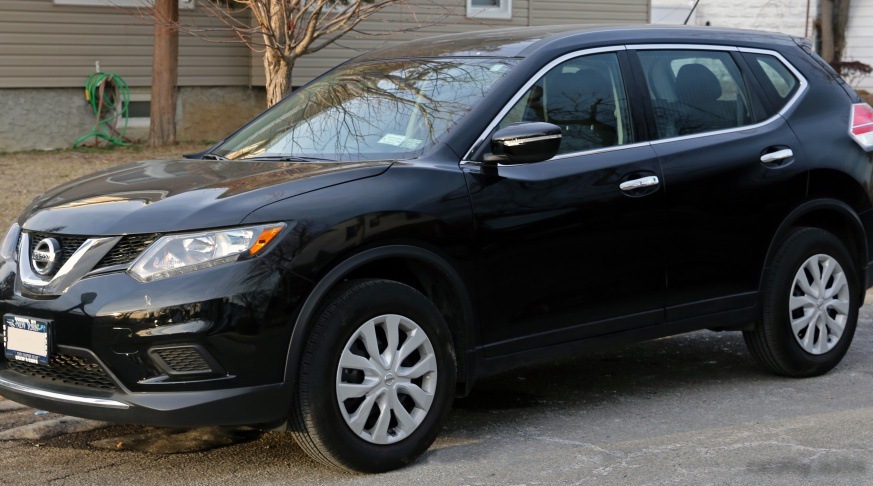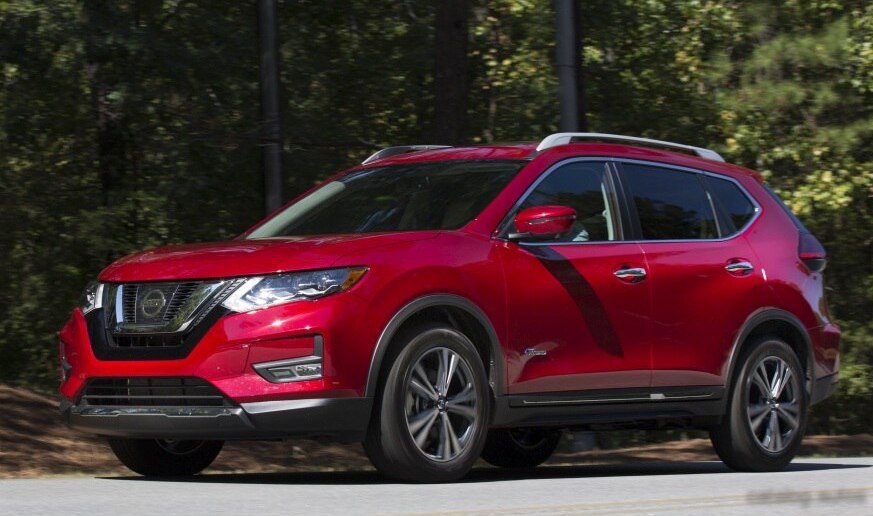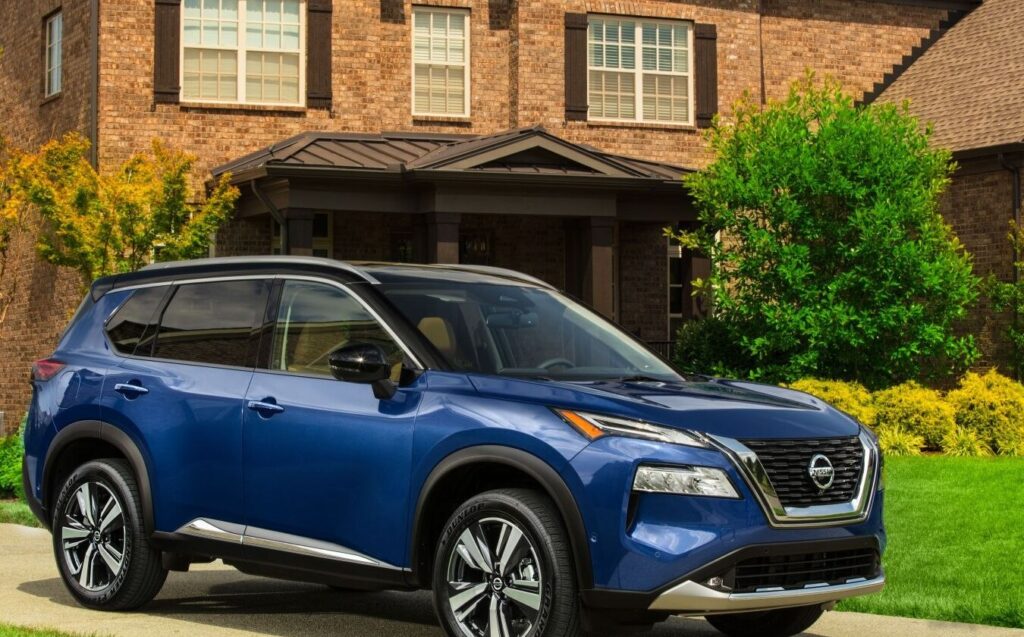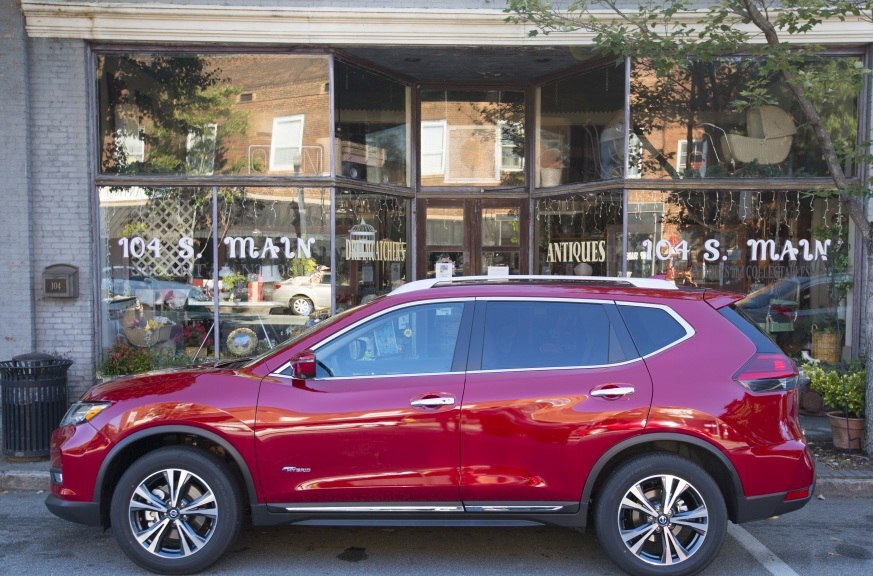
The Nissan Rogue (known as the X-Trail in markets outside of North America) is a compact crossover SUV first introduced by Nissan in 2007. The first generation, designated the S35 chassis code, underwent a significant facelift in 2011. This article focuses specifically on the 2011-2013 Nissan Rogue 2.5i with the 170 horsepower 2.5-liter engine paired with a Continuously Variable Transmission (CVT) and All-Wheel Drive (AWD). This configuration represented a mid-range offering within the Rogue lineup, positioned above the base model and below potential future, higher-trim level options. It aimed to provide a balance of fuel efficiency, practicality, and all-weather capability for families and individuals seeking a versatile vehicle.
Powertrain & Engine Architecture
The heart of the 2011-2013 Nissan Rogue 2.5i AWD CVT is the QR25DE 2.5-liter inline four-cylinder engine. This engine is a naturally aspirated powerplant, meaning it relies solely on atmospheric pressure to draw air into the cylinders, rather than forced induction like a turbocharger or supercharger. The QR25DE features a cast iron block with an aluminum cylinder head, incorporating dual overhead camshafts (DOHC) and four valves per cylinder. This valvetrain configuration contributes to improved breathing and overall engine efficiency.
Fuel delivery is managed by a multi-port fuel injection system, where fuel is sprayed into the intake ports just before the intake valves. The engine boasts a compression ratio of 9.6:1. The QR25DE produces 170 horsepower at 6000 rpm and 174.8 lb-ft of torque at 4400 rpm. The engine’s displacement is 2488 cm³ (151.83 cubic inches), and it delivers 68.3 horsepower per liter.
The engine is mated to a Jatco-sourced CVT (Continuously Variable Transmission). Unlike traditional automatic transmissions with fixed gear ratios, a CVT utilizes a belt and pulley system to provide a theoretically infinite number of gear ratios within its operating range. This allows the engine to operate at its most efficient rpm for any given speed and load, contributing to improved fuel economy. The CVT in the Rogue is designed for smooth, seamless acceleration, prioritizing efficiency over the stepped gear changes of a conventional automatic. The AWD system is reactive, engaging the rear wheels when front wheel slippage is detected.
Driving Characteristics
The 2011-2013 Nissan Rogue 2.5i AWD CVT delivers adequate, though not particularly sporty, performance. The CVT contributes to a smooth driving experience, but can sometimes feel less responsive than a traditional automatic, particularly during quick acceleration. The engine’s 170 horsepower is sufficient for everyday driving and highway cruising, but the Rogue doesn’t offer brisk acceleration. The CVT is programmed to mimic stepped gear changes under hard acceleration to provide a more familiar feel for drivers accustomed to conventional automatics.
The AWD system provides enhanced traction in inclement weather conditions, such as snow or rain. However, it’s important to note that the Rogue’s AWD system is primarily designed for on-road use and is not intended for serious off-road adventures. The CVT’s continuously variable nature allows the engine to stay within its optimal power band, resulting in predictable and linear power delivery. Compared to a manual transmission equipped Rogue (which was not widely available in the US market), the CVT prioritizes fuel efficiency and ease of use over driver engagement.
Equipment & Trim Levels
The 2.5i trim level of the 2011-2013 Nissan Rogue typically included a range of standard features designed to appeal to a broad audience. Standard equipment generally included air conditioning, power windows and locks, keyless entry, a six-speaker audio system with a CD player and auxiliary input, and cloth upholstery. Safety features such as anti-lock brakes (ABS), electronic stability control (ESC), and multiple airbags were also standard.
Optional extras available for the 2.5i trim included a navigation system, a rearview camera, Bluetooth connectivity, a premium audio system (often Bose branded), leather upholstery, heated front seats, and a sunroof. The interior dashboard configuration featured a straightforward layout with easy-to-use controls. The Rogue’s interior was generally considered functional and practical, though not particularly luxurious. The rear seats offered decent legroom for passengers, and the cargo area was spacious for a compact crossover.
Chassis & Braking
The 2011-2013 Nissan Rogue utilizes an independent coil spring suspension in the front and an independent multi-link suspension in the rear. This suspension setup provides a comfortable ride quality, absorbing bumps and irregularities in the road surface effectively. The suspension tuning is geared towards comfort rather than sporty handling. Stabilizer bars are included both front and rear to reduce body roll during cornering.
The braking system consists of ventilated discs on all four wheels. The ventilated discs help to dissipate heat effectively, preventing brake fade during repeated or hard braking. ABS (Anti-lock Braking System) is standard, helping to maintain steering control during emergency braking situations. The Rogue’s steering system utilizes a rack and pinion setup, providing responsive and precise steering feel.
Market Reception & Comparison
The 2011-2013 Nissan Rogue 2.5i AWD CVT was generally well-received by automotive critics. It was praised for its spacious interior, comfortable ride, and available AWD system. However, some critics noted the engine’s lack of outright power and the CVT’s sometimes uninspiring driving experience. Fuel economy was considered to be competitive for its class, with EPA estimates of 22 mpg city and 26 mpg highway (2011-2013 models).
Compared to other trims in the Rogue lineup, the 2.5i AWD CVT offered a good balance of features and price. It was more affordable than potential higher-trim level options, while still providing a respectable level of equipment and all-weather capability. In terms of reliability, the QR25DE engine is generally considered to be a durable and reliable powerplant, though some owners have reported issues with the CVT over the long term. Regular maintenance, including fluid changes, is crucial for ensuring the longevity of the CVT.
Technical Specifications
| Brand | Nissan |
| Model | Rogue |
| Generation | Rogue I (S35, facelift 2011) |
| Type | 2.5i (170 Hp) AWD CVT |
| Start of production | 2011 |
| End of production | 2013 |
| Engine | QR25DE |
| Engine Displacement | 2488 cm³ (151.83 cu. in.) |
| Number of Cylinders | 4, Inline |
| Power | 170 Hp @ 6000 rpm |
| Torque | 237 Nm @ 4400 rpm (174.8 lb.-ft. @ 4400 rpm) |
| Fuel Type | Petrol (Gasoline) |
| Transmission | CVT (Continuously Variable Transmission) |
| Drive | All Wheel Drive (4×4) |
| Kerb Weight | 1563-1578 kg (3445.83 – 3478.89 lbs.) |
| Fuel Tank Capacity | 60 l (15.85 US gal | 13.2 UK gal) |
| Trunk Space (min/max) | 818 – 1640 l (28.89 – 57.92 cu. ft.) |
| Length | 4656 mm (183.31 in.) |
| Width | 1801 mm (70.91 in.) |
| Height | 1684 mm (66.3 in.) |
Legacy
The 2011-2013 Nissan Rogue 2.5i AWD CVT remains a relatively common sight on the used car market. The QR25DE engine is known for its durability, but the CVT transmission is the primary area of concern for potential buyers. A well-maintained example can provide years of reliable service, but it’s crucial to have the CVT inspected by a qualified mechanic before purchase. The Rogue’s spacious interior, available AWD, and relatively affordable price point continue to make it an attractive option for budget-conscious buyers seeking a practical and versatile crossover SUV. The success of the first-generation Rogue paved the way for subsequent generations, establishing the Rogue as a key model in Nissan’s lineup.