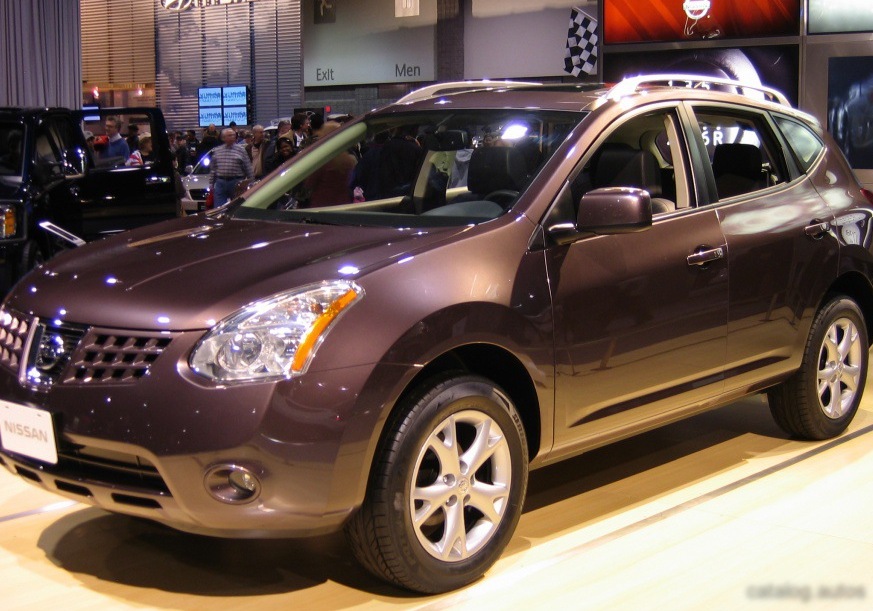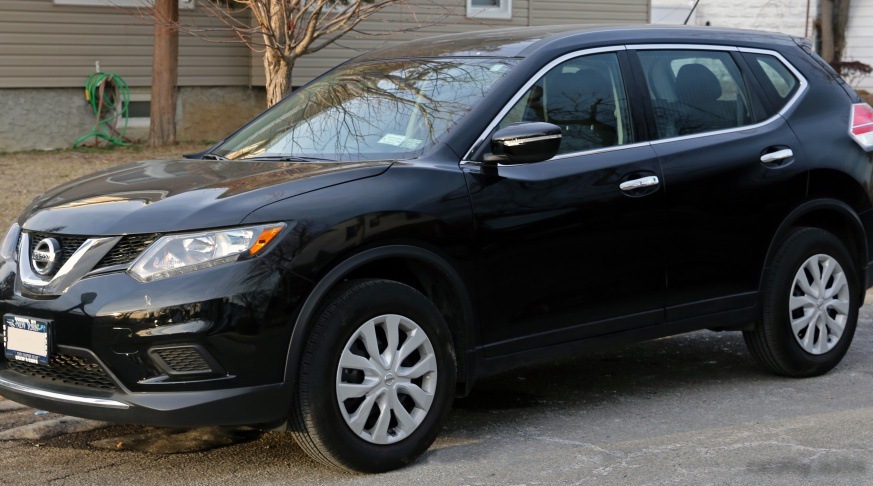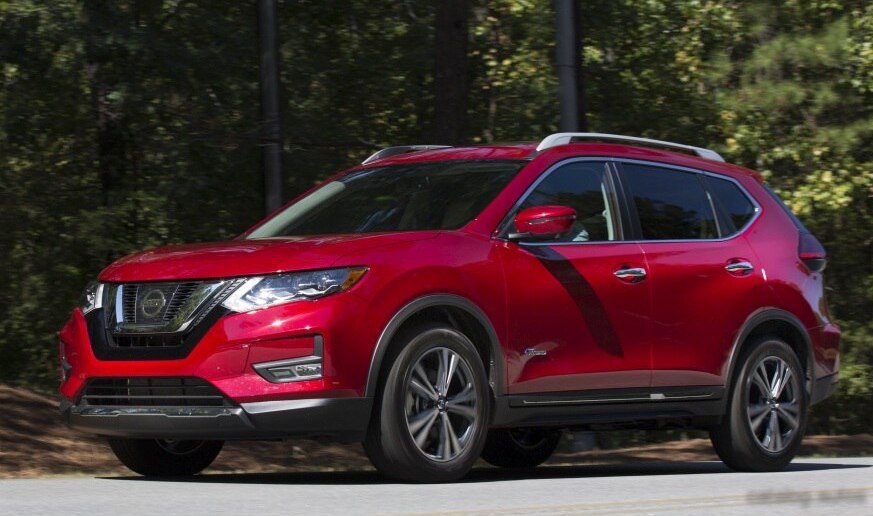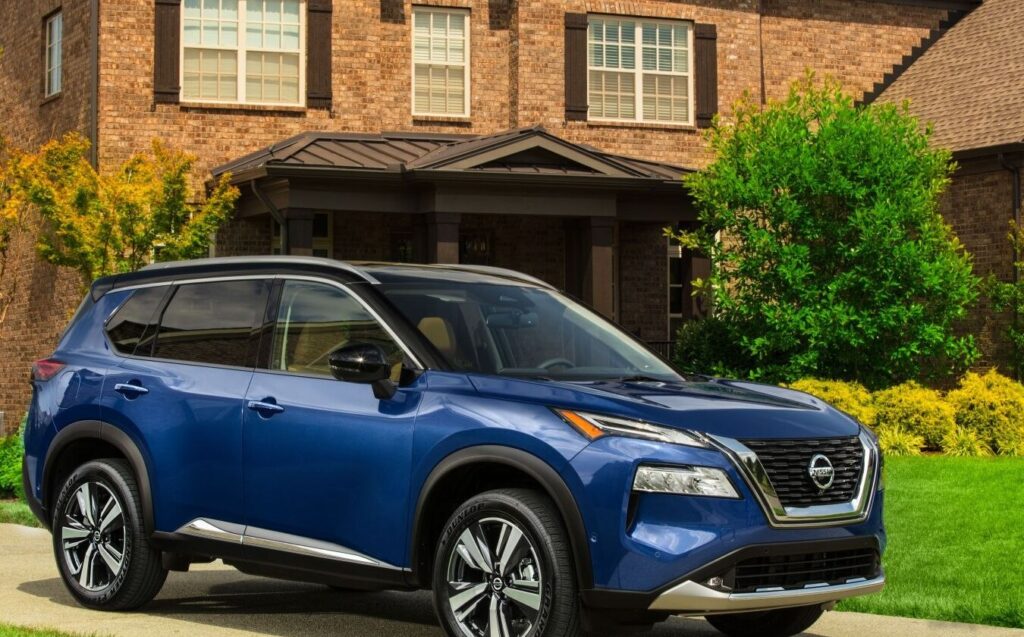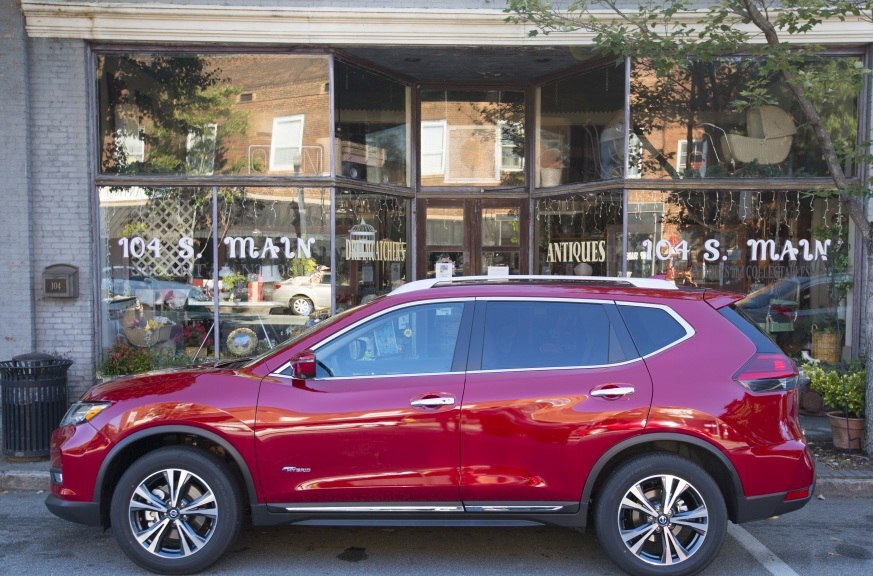
The Nissan Rogue (known as the X-Trail in markets outside of North America) is a compact crossover SUV first introduced by Nissan in 2007. The first generation, designated the S35 chassis code, underwent a significant facelift in 2011, bringing updated styling, improved interior materials, and revised powertrain options. This article focuses specifically on the 2011-2013 Nissan Rogue 2.5i equipped with the 2.5-liter inline-four engine and Continuously Variable Transmission (CVT). This configuration represented the mainstream offering within the Rogue lineup, positioned as a balance between affordability and capability, and served as the volume seller for Nissan during these model years.
Nissan Rogue 2.5i (2011-2013): An Overview
The 2011-2013 Nissan Rogue 2.5i with the CVT was a key component of Nissan’s strategy to capture a larger share of the burgeoning compact crossover market. It aimed to appeal to families and individuals seeking a practical, fuel-efficient, and reasonably priced vehicle with available all-wheel drive. The facelifted model addressed some criticisms of the original Rogue, particularly regarding interior quality and refinement. This variant occupied the middle ground in the Rogue lineup, slotting above the base models (which were less common) and below potential special editions or packages that might offer enhanced features or styling.
Powertrain & Engine Architecture
The heart of the 2011-2013 Nissan Rogue 2.5i is the QR25DE 2.5-liter inline-four cylinder engine. This engine is a naturally aspirated powerplant, meaning it does not utilize forced induction like a turbocharger or supercharger. The QR25DE features multi-port fuel injection, delivering fuel directly into the intake ports, and a double overhead camshaft (DOHC) valvetrain with four valves per cylinder. This configuration allows for efficient combustion and a relatively broad powerband. The engine produces 170 horsepower at 6000 rpm and 174.8 lb-ft of torque at 4400 rpm. The engine’s displacement is 2488 cm³ (151.83 cubic inches), with a bore of 89 mm (3.5 inches) and a stroke of 100 mm (3.94 inches). The compression ratio is 9.6:1.
Paired with the QR25DE is Nissan’s Xtronic CVT (Continuously Variable Transmission). Unlike traditional automatic transmissions with fixed gear ratios, a CVT utilizes a belt and pulley system to provide a virtually infinite number of gear ratios within its operating range. This allows the engine to operate at its most efficient rpm for any given speed and load, contributing to improved fuel economy. The CVT in the Rogue 2.5i is designed for smooth and seamless acceleration, although some drivers may find the lack of distinct gear shifts to be an unusual sensation. The transmission is front-wheel drive as standard, with optional Intelligent All-Wheel Drive available.
Driving Characteristics
The 2011-2013 Nissan Rogue 2.5i with the CVT delivers adequate, though not particularly exhilarating, performance. Acceleration is linear and predictable, with the CVT keeping the engine in its optimal power range. The 0-60 mph time is typically in the 9-10 second range. Compared to a manual transmission equipped Rogue (which was not commonly available in the US market), the CVT prioritizes fuel efficiency over outright speed. The CVT also differs significantly from the performance of the later Rogue models equipped with larger displacement engines or turbocharged powerplants. The CVT’s programming is tuned for comfort and efficiency, resulting in a relatively quiet and refined driving experience. The weight-to-power ratio of 8.8 kg/Hp contributes to a feeling of adequate, but not sporty, performance.
Equipment & Trim Levels
The 2011-2013 Nissan Rogue 2.5i typically came standard with a respectable array of features. Standard equipment generally included air conditioning, power windows and locks, keyless entry, a four-speaker audio system with a CD player, and cloth upholstery. Higher trim levels, such as the SL, added features like leather upholstery, a six-speaker Bose audio system, a rearview camera, Bluetooth connectivity, and a navigation system. Optional extras included a power sunroof, heated front seats, and automatic climate control. Interior color schemes typically consisted of gray or black cloth or leather. The dashboard layout was relatively straightforward and functional, with easy-to-read gauges and logically placed controls.
Chassis & Braking
The Nissan Rogue 2.5i utilizes an independent coil spring suspension in the front and an independent multi-link suspension in the rear. This suspension setup provides a comfortable ride quality, absorbing bumps and irregularities in the road surface effectively. The front suspension features a stabilizer bar to reduce body roll during cornering. The rear suspension also incorporates a stabilizer bar on some trim levels. Braking duties are handled by ventilated discs on all four wheels, providing adequate stopping power. The Rogue 2.5i is equipped with an Anti-lock Braking System (ABS) as standard, enhancing safety and control during emergency braking situations. Tire sizes varied depending on the trim level, ranging from 215/70 R16 to 225/55 R18.
Market Reception & Comparison
The 2011-2013 Nissan Rogue 2.5i CVT received generally positive reviews from automotive critics. It was praised for its comfortable ride, spacious interior, and fuel efficiency. However, some critics noted that the engine could feel underpowered, particularly when fully loaded or climbing hills. The CVT transmission also drew mixed reactions, with some drivers appreciating its smoothness and efficiency, while others found it lacking in responsiveness. Compared to competitors like the Honda CR-V and Toyota RAV4, the Rogue offered a more affordable price point, but often lacked the same level of refinement and driving dynamics. Fuel economy was competitive, with EPA estimates of 23.1 US mpg in the city and 28 US mpg on the highway. Reliability was generally considered average for the segment.
Technical Specifications
| Engine Model/Code | QR25DE |
| Engine Type | Inline-4, Naturally Aspirated |
| Displacement | 2488 cm³ (151.83 cu. in.) |
| Power | 170 Hp @ 6000 rpm |
| Torque | 237 Nm @ 4400 rpm (174.8 lb.-ft. @ 4400 rpm) |
| Fuel Injection | Multi-port Fuel Injection |
| Valvetrain | DOHC (4 valves per cylinder) |
| Compression Ratio | 9.6:1 |
| Transmission | CVT (Continuously Variable Transmission) |
| Drive Wheels | Front Wheel Drive (AWD optional) |
| Kerb Weight | 1493-1509 kg (3291.5 – 3326.78 lbs.) |
| Fuel Tank Capacity | 60 l (15.85 US gal | 13.2 UK gal) |
| Fuel Consumption (Urban) | 10.2 l/100 km (23.1 US mpg) |
| Fuel Consumption (Extra Urban) | 8.4 l/100 km (28 US mpg) |
| Length | 4656 mm (183.31 in.) |
| Width | 1801 mm (70.91 in.) |
| Height | 1684 mm (66.3 in.) |
Legacy
The 2011-2013 Nissan Rogue 2.5i with the CVT has become a relatively affordable and accessible option in the used car market. The QR25DE engine is generally considered reliable, although regular maintenance is crucial to prevent issues such as oil consumption and timing chain wear. The CVT transmission, while generally durable, requires proper fluid changes to ensure longevity. These Rogues are often sought after by buyers looking for a practical and fuel-efficient crossover SUV at a reasonable price. While not known for exceptional performance or luxury, the Rogue 2.5i provides a comfortable and dependable transportation solution for many drivers. Its continued presence on the road is a testament to its overall durability and practicality.