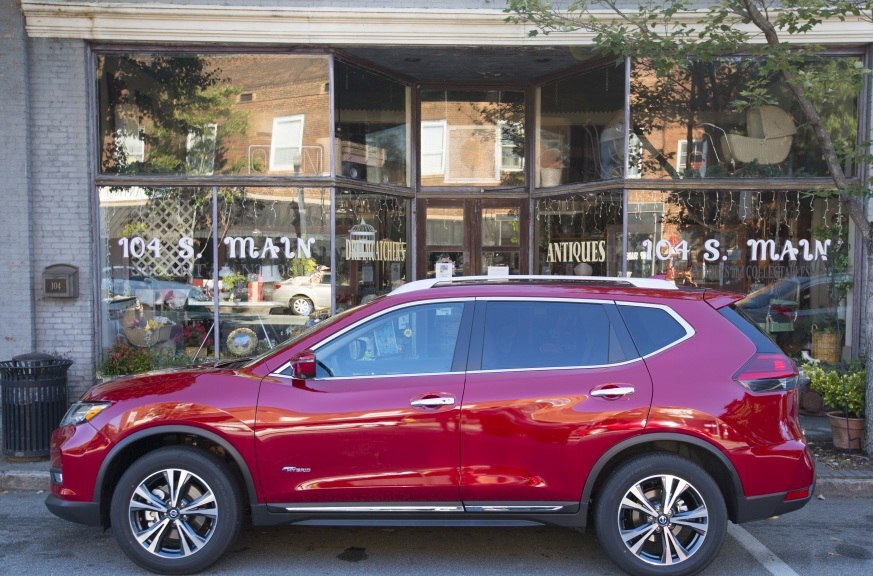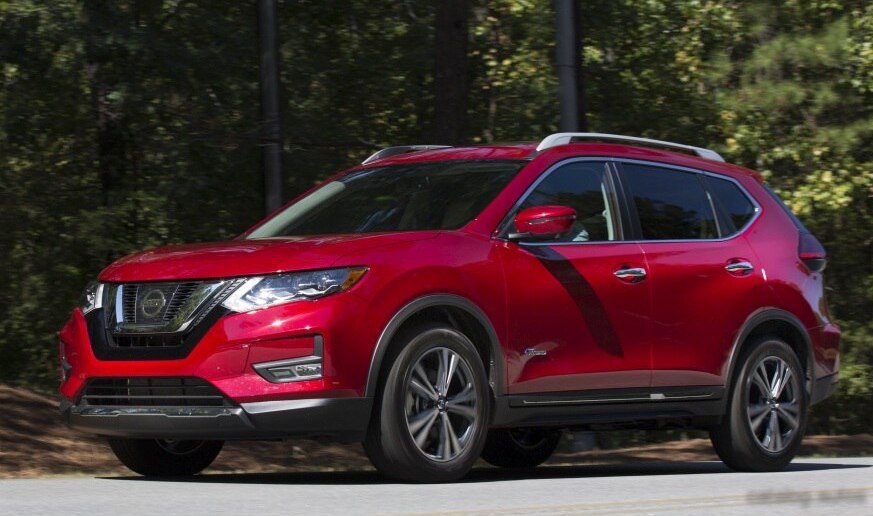
The Nissan Rogue II (T32 series), specifically the facelifted version produced from 2017 to 2019, offered a 2.0-liter (176 horsepower) All-Wheel Drive (AWD) Hybrid Automatic configuration. This variant represented a mid-range offering within the Rogue II lineup, positioned between the base 2.5-liter gasoline engine models and potentially higher-trim levels with additional features. The T32 Rogue, introduced in 2014, was Nissan’s entry into the increasingly popular compact crossover SUV segment, aiming to provide a practical and fuel-efficient vehicle for families and commuters. The 2017 facelift brought styling updates and, crucially, the introduction of the hybrid powertrain option, enhancing the Rogue’s appeal to environmentally conscious buyers.
Powertrain & Engine Architecture
The core of the 2017-2019 Nissan Rogue 2.0 AWD Hybrid Automatic is its Full Hybrid Electric Vehicle (FHEV) powertrain. This system combines a 1.997-liter (121.86 cubic inches) inline-four cylinder gasoline engine, designated the MR20DD, with an electric motor. The MR20DD engine produces 141 horsepower at 6000 rpm and 195 Nm (143.82 lb-ft) of torque at 3600 rpm. It features direct fuel injection and a Double Overhead Camshaft (DOHC) valvetrain with four valves per cylinder, contributing to its relatively high power output for its displacement – 70.6 hp per liter. The engine utilizes a compression ratio of 11.2:1.
The electric motor contributes an additional 40 horsepower and 160 Nm (118.01 lb-ft) of torque. The combined system output is rated at 176 horsepower. The hybrid system doesn’t rely on plug-in charging; instead, the battery is recharged through regenerative braking and by the gasoline engine. The transmission is a continuously variable automatic transmission (CVT), marketed by Nissan as “Xtronic.” This CVT is designed to provide smooth, seamless acceleration and optimize fuel efficiency. The engine oil capacity is 3.8 liters (4.02 US quarts / 3.34 UK quarts), and the coolant capacity is 7.4 liters (7.82 US quarts / 6.51 UK quarts).
Hybrid System Operation
The Rogue’s hybrid system operates in several modes. At low speeds, the vehicle can operate solely on electric power for short distances, providing near-silent operation and zero emissions. During normal driving conditions, the gasoline engine and electric motor work in tandem to deliver power to the wheels. The system intelligently manages the power distribution to maximize fuel efficiency. During deceleration and braking, the regenerative braking system captures kinetic energy and converts it into electricity, which is stored in the battery for later use.
Driving Characteristics
The 2.0-liter hybrid powertrain in the Rogue delivers a noticeably different driving experience compared to the standard 2.5-liter gasoline engine. While the 2.5-liter offers more immediate acceleration, the hybrid prioritizes fuel economy and smooth power delivery. The CVT, while efficient, can sometimes feel less responsive than a traditional automatic transmission, exhibiting a “rubber band” effect during hard acceleration. However, Nissan programmed the CVT to simulate gear changes in certain driving modes to provide a more conventional feel. The AWD system provides enhanced traction in inclement weather conditions, making the Rogue a capable all-season vehicle. The combined horsepower of 176 hp results in a weight-to-power ratio of 9.8 kg/hp (102.6 hp/tonne), and a weight-to-torque ratio of 8.8 kg/Nm (113.6 Nm/tonne).
Compared to the manual transmission options available on other Rogue trims, the automatic transmission prioritizes convenience and ease of use, appealing to a broader range of drivers. The hybrid system’s electric motor provides instant torque, which helps to offset the CVT’s sometimes-sluggish response. Overall, the driving experience is comfortable and refined, focusing on practicality and efficiency rather than sporty performance.
Equipment & Trim Levels
The 2017-2019 Nissan Rogue 2.0 AWD Hybrid Automatic was typically offered in well-equipped trim levels, often including features such as Nissan’s Safety Shield technology (including Automatic Emergency Braking, Blind Spot Warning, and Rear Cross Traffic Alert), a touchscreen infotainment system with Apple CarPlay and Android Auto compatibility, and a suite of convenience features like keyless entry and push-button start. Interior upholstery typically consisted of cloth or leather-appointed seats, depending on the trim level. Optional extras could include a panoramic sunroof, heated front seats, and a premium audio system.
Dashboard configuration was consistent across the Rogue II range, featuring a driver-focused layout with easy-to-read gauges and intuitive controls. The center console housed the infotainment screen and climate control system. The hybrid-specific instrumentation included displays showing energy flow and battery charge levels.
Chassis & Braking
The Rogue II utilizes a front-engine, front-wheel-drive (with AWD available) platform. The suspension consists of an independent coil spring setup at the front and an independent multi-link suspension at the rear, providing a comfortable ride and good handling characteristics. The front brakes are ventilated discs, while the rear brakes are also ventilated discs. The vehicle is equipped with an Anti-lock Braking System (ABS) and Electric Power Steering (EPS) for enhanced safety and control. The steering system employs a rack and pinion design. Tire sizes typically ranged from 225/65 R17 to 225/60 R18, mounted on 7.0J x 17 or 7.0J x 18 inch wheel rims.
Market Reception & Comparison
The Nissan Rogue II 2.0 AWD Hybrid Automatic was generally well-received by critics for its fuel efficiency and comfortable ride. Fuel economy figures were rated at 7.5 l/100 km (31.4 US mpg / 37.7 UK mpg) in urban conditions, 6.9 l/100 km (34.1 US mpg / 40.9 UK mpg) in extra-urban conditions, and 7.1 l/100 km (33.1 US mpg / 39.8 UK mpg) combined. Compared to the standard 2.5-liter Rogue, the hybrid offered significantly improved fuel economy, albeit with slightly less overall power. Reliability reports were generally positive, with the hybrid system proving to be relatively dependable. However, some owners reported minor issues with the CVT transmission.
Technical Specifications
| Body type | SUV, Crossover |
| Engine Type | 2.0L Inline-4 Hybrid |
| Engine Code | MR20DD |
| Displacement | 1997 cm3 (121.86 cu. in.) |
| Horsepower (Combined) | 176 hp |
| Torque (Combined) | 195 Nm (143.82 lb-ft) |
| Transmission | Xtronic CVT (Continuously Variable Transmission) |
| Drive Type | All-Wheel Drive (AWD) |
| Fuel Economy (Combined) | 7.1 l/100 km (33.1 US mpg / 39.8 UK mpg) |
| Kerb Weight | 1716-1732 kg (3783.13 – 3818.41 lbs.) |
| Fuel Tank Capacity | 55 l (14.53 US gal / 12.1 UK gal) |
| Length | 4686 mm (184.49 in.) |
| Width | 1839 mm (72.4 in.) |
| Height | 1740 mm (68.5 in.) |
| Wheelbase | 2705 mm (106.5 in.) |
Legacy
The Nissan Rogue II 2.0 AWD Hybrid Automatic represents an important step in Nissan’s development of hybrid technology. While not without its quirks (primarily related to the CVT), the powertrain proved to be relatively reliable and offered a compelling combination of fuel efficiency and practicality. On the used car market, these models are generally sought after by buyers looking for a fuel-efficient and well-equipped compact crossover. The longevity of the hybrid system is generally good, although regular maintenance, including fluid changes and battery checks, is crucial to ensure optimal performance and reliability. The Rogue II’s hybrid variant helped pave the way for Nissan’s continued investment in electrified vehicles.