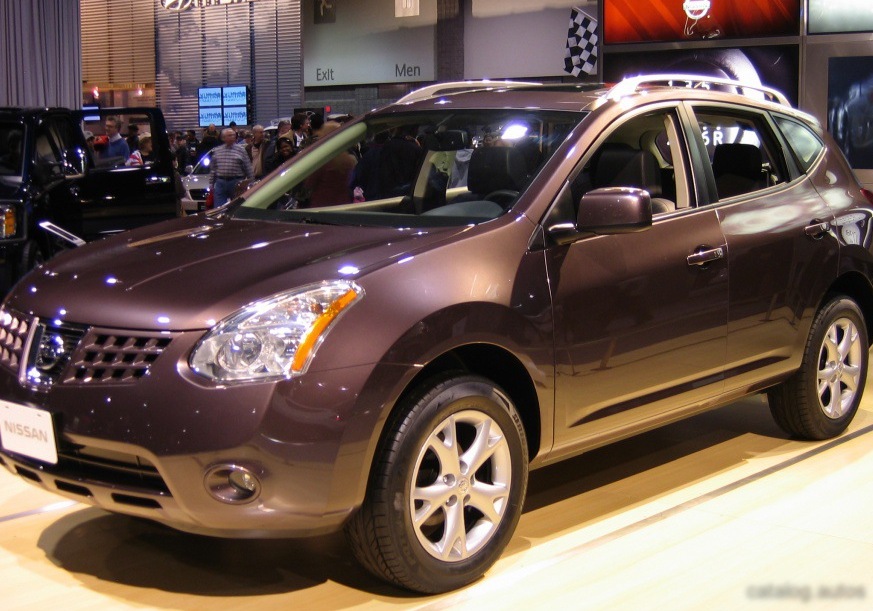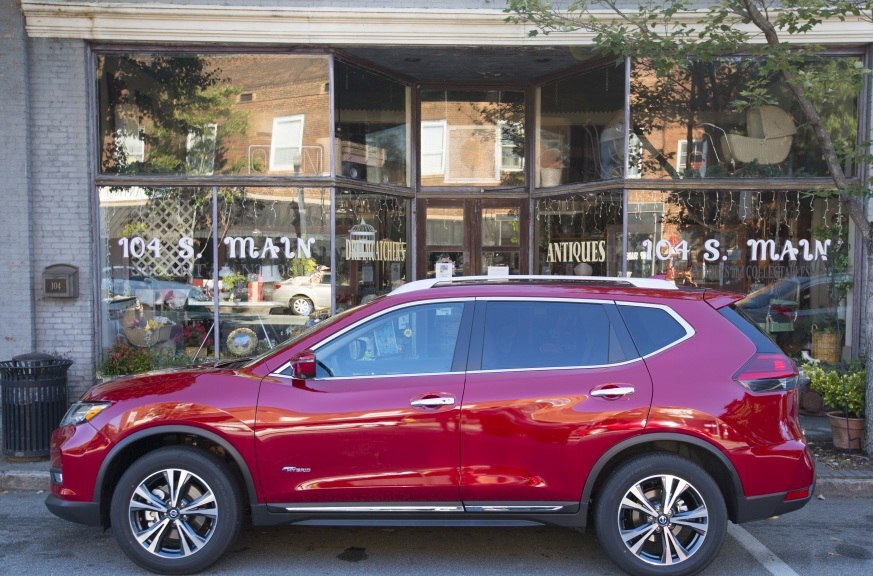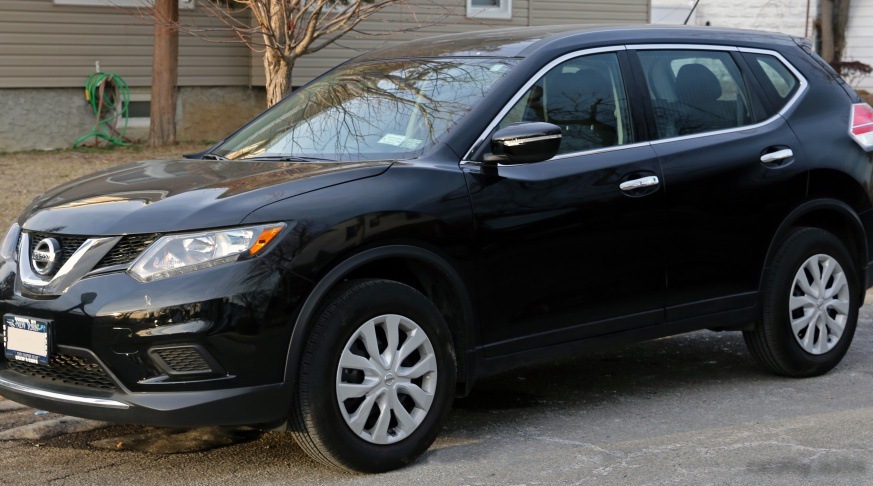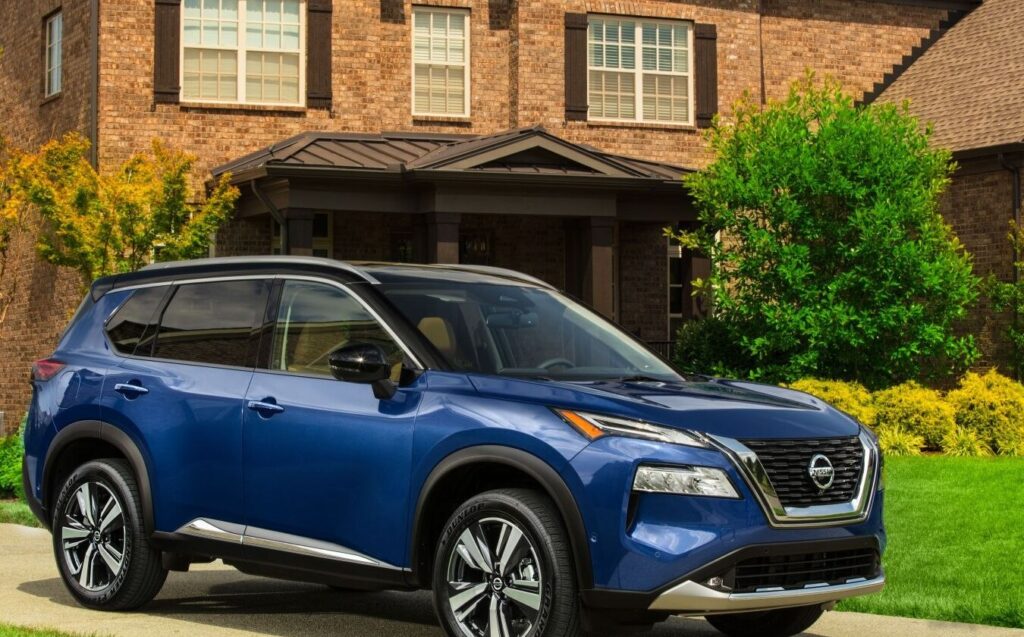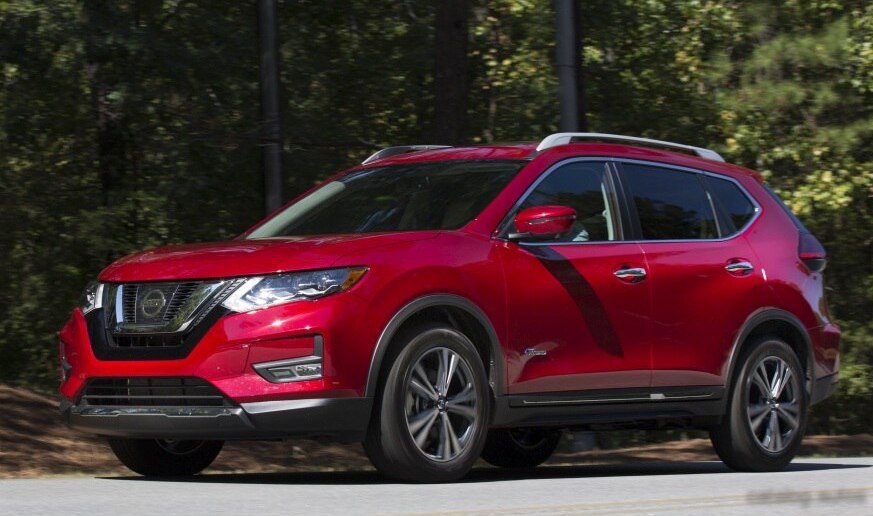
The Nissan Rogue II (T32 series), specifically the facelifted model produced from 2017 to September 2020, offered a 2.5-liter gasoline engine paired with an automatic transmission. This configuration represented a mainstream offering within the Rogue II lineup, positioned as a balance between affordability and capability. The T32 Rogue was Nissan’s compact crossover SUV, competing with vehicles like the Honda CR-V and Toyota RAV4. The 2017 facelift brought styling updates and refinements to the existing platform, which was based on Nissan’s Common Modular Family (CMF) architecture, specifically the CMF-C/D platform.
2.5L Engine & Xtronic Transmission
The heart of this Rogue variant is the QR25DE 2.5-liter inline four-cylinder engine. This engine is a naturally aspirated powerplant, meaning it does not utilize forced induction like a turbocharger or supercharger. It produces 170 horsepower at 6000 rpm and 237 Nm (174.8 lb-ft) of torque at 4400 rpm. The engine features multi-port fuel injection and a double overhead camshaft (DOHC) valvetrain with four valves per cylinder. Bore and stroke dimensions are 89 mm x 100 mm, resulting in a displacement of 2488 cm³ (151.83 cu. in.) and a compression ratio of 10:1. Engine oil capacity is 4.6 liters (4.86 US quarts / 4.05 UK quarts), and the recommended coolant capacity is 6.7 liters (7.08 US quarts / 5.9 UK quarts).
The QR25DE is mated to Nissan’s Xtronic Continuously Variable Transmission (CVT). This transmission simulates gear changes without fixed ratios, offering smooth acceleration and optimized fuel efficiency. The Xtronic CVT used in the Rogue II is designed for durability and responsiveness, and it contributes significantly to the vehicle’s overall driving experience. While not a traditional automatic with discrete gears, the Xtronic CVT offers manual shift modes allowing the driver some control over the ‘gear’ selection.
Powertrain Variations & Positioning
The 2.5L automatic Rogue II sat in the middle of the powertrain options available for the T32 generation. Lower trims often featured a less powerful 2.0-liter engine, while higher-end models were sometimes available with all-wheel drive. The 2.5L engine provided a noticeable performance upgrade over the 2.0L, making it a popular choice for drivers who wanted a bit more power for highway merging and passing. Compared to potential future turbocharged options, the naturally aspirated 2.5L offered a simpler, potentially more reliable powertrain, albeit with less peak power.
Driving Characteristics
The 2.5L Rogue II with the Xtronic CVT delivers adequate performance for everyday driving. Acceleration is linear and predictable, though not particularly sporty. The CVT effectively keeps the engine in its optimal power band, providing a responsive feel. The weight-to-power ratio of 9.2 kg/hp (108.5 hp/tonne) reflects the vehicle’s moderate performance capabilities. The CVT’s continuously variable nature means there are no distinct shift points, which some drivers may find unusual compared to traditional automatic transmissions. However, it contributes to a smoother and more fuel-efficient driving experience. The vehicle’s front-wheel-drive configuration contributes to its relatively light weight and good fuel economy.
Real-world driving reveals that the Rogue II 2.5L is best suited for commuting and family transportation. While it can handle highway speeds with ease, it may struggle with quick bursts of acceleration when fully loaded. The CVT is programmed to mimic traditional gear changes in certain driving modes, providing a more engaging experience when desired. Overall, the driving experience is comfortable and refined, prioritizing ease of use over outright performance.
Equipment & Trim Levels
The 2017-2020 Rogue II 2.5L Automatic was available in various trim levels, including S, SV, and SL. The base S trim typically included standard features such as air conditioning, a rearview camera, Bluetooth connectivity, and a basic infotainment system. The SV trim added features like alloy wheels, a larger touchscreen display, Apple CarPlay and Android Auto compatibility, and advanced safety features like blind-spot monitoring. The top-of-the-line SL trim included premium features such as leather upholstery, heated front seats, a panoramic sunroof, and a Bose audio system.
Interior upholstery varied depending on the trim level, ranging from cloth in the S trim to leather in the SL trim. Dashboard configurations were generally consistent across all trims, with a focus on user-friendliness and practicality. Optional extras included navigation systems, upgraded audio systems, and various driver-assistance technologies.
Chassis & Braking
The Rogue II utilizes an independent coil spring suspension in the front and an independent multi-link suspension in the rear. This suspension setup provides a comfortable ride and good handling characteristics. The front suspension is designed to absorb bumps and irregularities in the road, while the rear suspension helps to maintain stability and control. Stabilizer bars are included to reduce body roll during cornering.
Braking duties are handled by ventilated discs on all four wheels. The braking system is equipped with an Anti-lock Braking System (ABS) to prevent wheel lockup during hard braking. The steering system is a rack and pinion type with electric power steering, providing precise and responsive steering feel. Tire sizes varied depending on the trim level, ranging from 225/65 R17 to 225/55 R19. Wheel rim sizes also varied accordingly, from 7.0J x 17 to 7.0J x 19.
Market Reception & Comparison
The Nissan Rogue II 2.5L Automatic received generally positive reviews from automotive critics. It was praised for its comfortable ride, spacious interior, and fuel efficiency. However, some critics noted that the engine could feel underpowered at times, especially when fully loaded. The Xtronic CVT was also a point of contention for some, with some drivers preferring the feel of a traditional automatic transmission.
In terms of fuel economy, the Rogue II 2.5L Automatic achieved approximately 9 l/100 km (26.1 US mpg / 31.4 UK mpg) in urban driving, 7.1 l/100 km (33.1 US mpg / 39.8 UK mpg) in extra-urban driving, and 8.1 l/100 km (29 US mpg / 34.9 UK mpg) in combined driving. Compared to other trims in the Rogue II lineup, the 2.5L automatic offered a good balance between fuel economy and performance. Reliability ratings were generally average, with some reports of minor issues with the CVT.
Technical Specifications
| Body Type | SUV, Crossover |
| Engine Type | Inline 4-Cylinder, Naturally Aspirated |
| Engine Code | QR25DE |
| Displacement | 2488 cm³ (151.83 cu. in.) |
| Horsepower | 170 hp @ 6000 rpm |
| Torque | 237 Nm (174.8 lb-ft) @ 4400 rpm |
| Fuel Injection | Multi-port Fuel Injection |
| Valvetrain | DOHC (Double Overhead Camshaft) |
| Transmission | Xtronic CVT (Continuously Variable Transmission) |
| Drivetrain | Front-Wheel Drive |
| Front Suspension | Independent Coil Spring |
| Rear Suspension | Independent Multi-Link |
| Front Brakes | Ventilated Discs |
| Rear Brakes | Ventilated Discs |
| Kerb Weight | 1567-1606 kg (3454.64 – 3540.62 lbs) |
| Fuel Tank Capacity | 55 l (14.53 US gal / 12.1 UK gal) |
| Length | 4686 mm (184.49 in) |
| Width | 1839 mm (72.4 in) |
| Height | 1727 mm (67.99 in) |
Legacy
The QR25DE engine and Xtronic CVT combination found in the 2017-2020 Nissan Rogue II have proven to be generally reliable, although the CVT requires regular maintenance, including fluid changes, to ensure longevity. In the used car market, these Rogues are often sought after for their affordability, practicality, and fuel efficiency. While not known for exceptional performance, the 2.5L automatic Rogue II remains a popular choice for buyers looking for a comfortable and reliable compact crossover SUV. The QR25DE engine, while not a cutting-edge design, has a reputation for durability and relatively low maintenance costs, making it a desirable feature in the used car market. The Xtronic CVT, when properly maintained, can provide years of smooth and efficient operation.