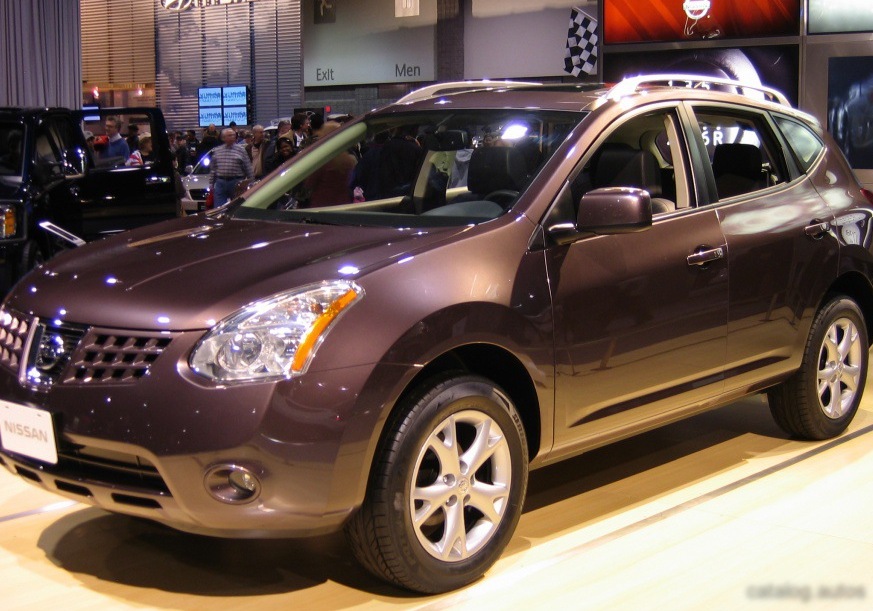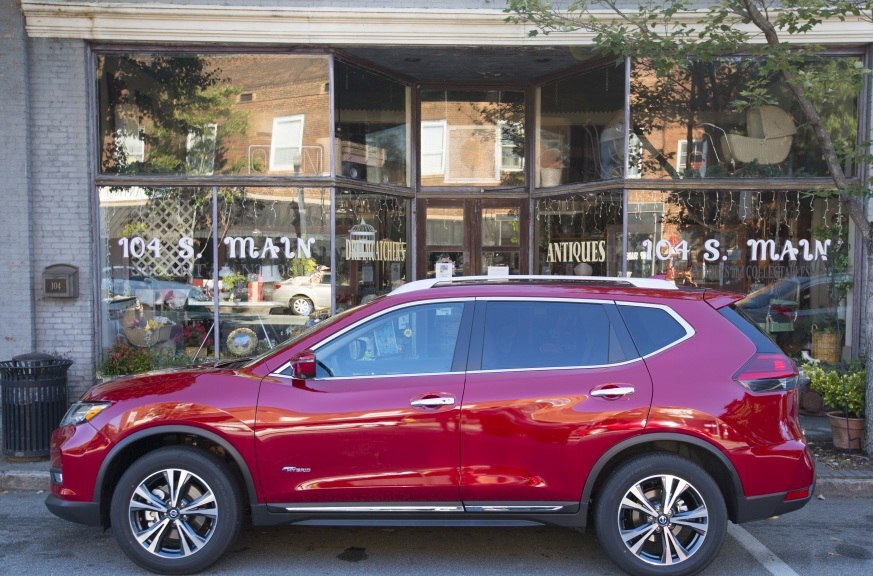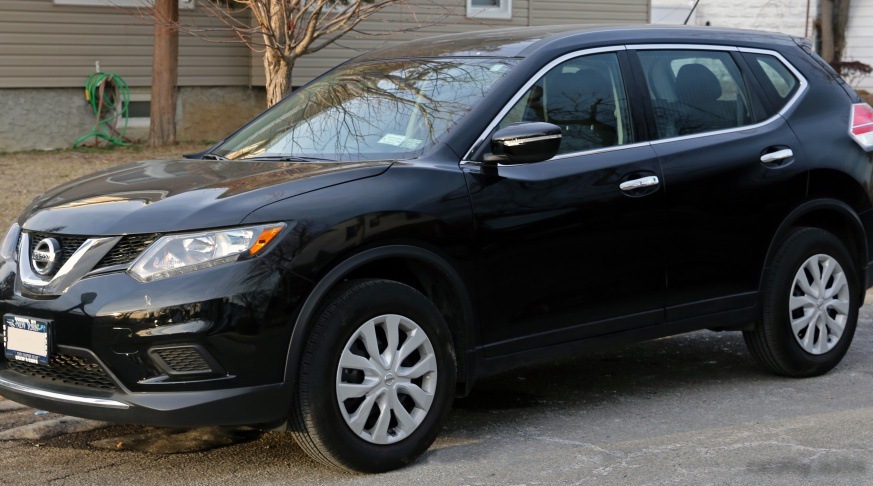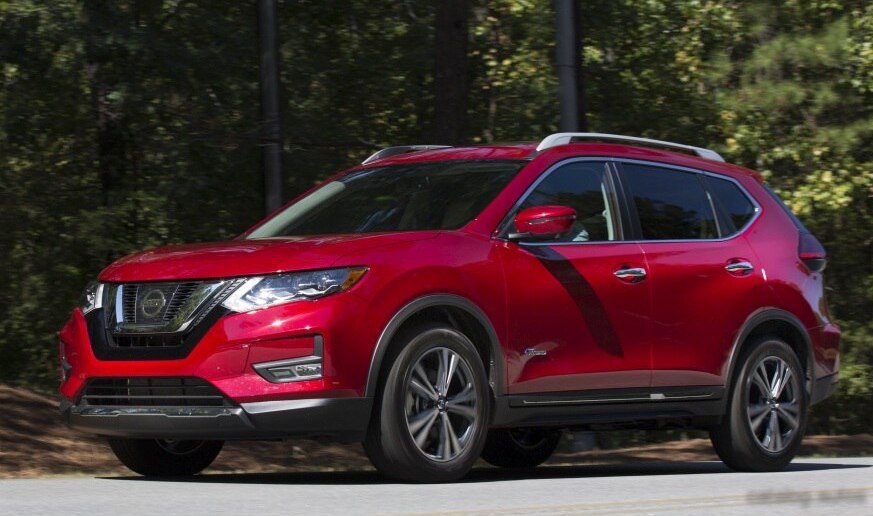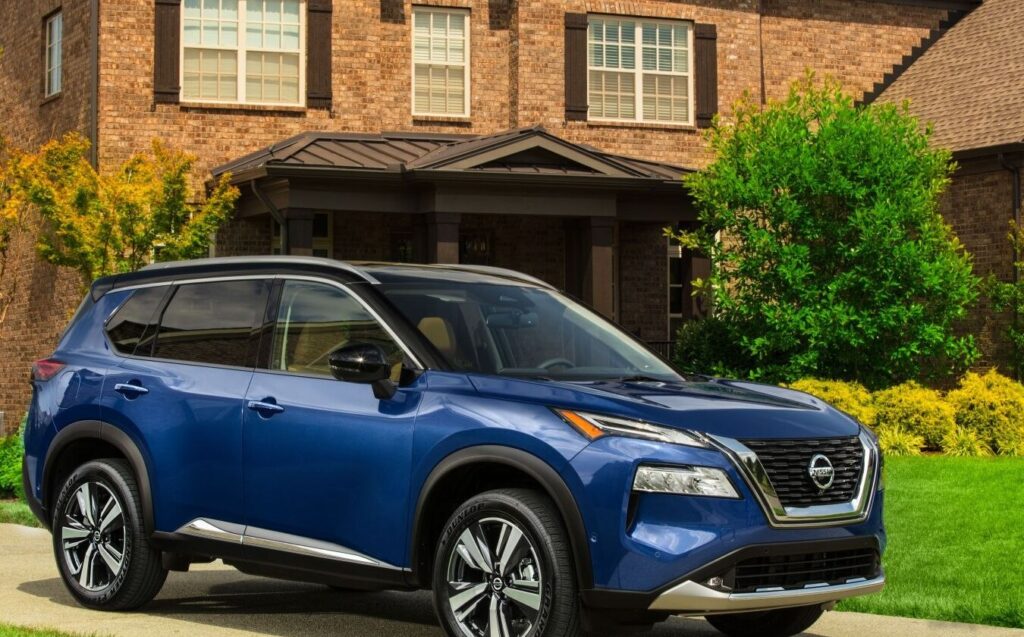
The Nissan Rogue III (T33) 1.5 VC-Turbo with 201 horsepower and all-wheel drive, paired with an Xtronic CVT transmission, represents a significant iteration of Nissan’s popular compact crossover SUV. Introduced for the 2022 model year and continuing through October 2023, this variant occupied a mid-to-upper trim level within the T33 Rogue lineup, offering a balance of performance, fuel efficiency, and technology. It was built on the Renault-Nissan-Mitsubishi Alliance’s CMF-C platform, also known as the 1HX0 platform, which aimed to provide a more modern and versatile foundation for the vehicle.
Powertrain & Engine Architecture
At the heart of the Rogue 1.5 VC-Turbo AWD is Nissan’s KR15DDT engine, a 1.5-liter inline-three cylinder gasoline engine. This engine is notable for its Variable Compression-Turbo (VC-Turbo) technology, a first for a mass-production vehicle. The VC-Turbo system allows the engine to seamlessly adjust its compression ratio between 8:1 and 14:1, optimizing for both power and efficiency depending on driving conditions. This is achieved through a complex mechanism that alters the stroke of the piston. The engine utilizes direct fuel injection, a DOHC (Dual Overhead Camshaft) valvetrain with four valves per cylinder, and an intercooled turbocharger to produce 201 horsepower at 5600 rpm and 305 Nm (224.96 lb-ft) of torque between 2800-4000 rpm. The engine’s displacement is 1477 cm3 (90.13 cubic inches) with a bore of 84 mm (3.31 inches) and a stroke of 88.9 mm (3.5 inches). The engine oil capacity is 4.7 liters (4.97 US quarts / 4.14 UK quarts) and requires a specific oil specification as outlined by Nissan.
The engine is mated to Nissan’s Xtronic CVT (Continuously Variable Transmission). This transmission is designed to provide smooth, seamless acceleration and improved fuel economy compared to traditional automatic transmissions. The Xtronic CVT simulates gear changes through varying pulley ratios, offering a wide range of ratios to keep the engine operating in its most efficient zone. The AWD system is an on-demand system, primarily driving the front wheels but engaging the rear wheels when traction is needed, enhancing stability and control in various weather conditions.
Fuel Injection and Valvetrain Details
The KR15DDT engine employs a sophisticated direct injection system that precisely meters fuel into the combustion chamber, maximizing efficiency and reducing emissions. The direct injection system works in conjunction with the VC-Turbo technology to optimize combustion under a wide range of operating conditions. The DOHC valvetrain, with its four valves per cylinder, allows for efficient airflow into and out of the engine, contributing to its power output and responsiveness. The engine also incorporates a Start & Stop System to further improve fuel economy by automatically shutting off the engine when the vehicle is stationary.
Driving Characteristics
The 201 hp and 224.96 lb-ft of torque delivered by the 1.5 VC-Turbo engine provide adequate performance for everyday driving situations. While not a sports-oriented vehicle, the Rogue offers brisk acceleration and sufficient power for highway merging and overtaking. The Xtronic CVT contributes to a smooth driving experience, although some drivers may find the lack of traditional gear shifts less engaging. The CVT is programmed to mimic traditional gear changes under hard acceleration, providing a more familiar feel. Compared to lower-trim Rogue models equipped with the naturally aspirated 2.5-liter engine, the VC-Turbo variant offers a noticeable improvement in power and responsiveness. However, it doesn’t match the performance of potential future higher-performance Rogue variants. The AWD system provides enhanced traction and stability, particularly in inclement weather, making the Rogue a confident all-weather vehicle.
Equipment & Trim Levels
The 1.5 VC-Turbo AWD trim typically included a comprehensive suite of standard features. These generally included Nissan Safety Shield 360, a suite of advanced driver-assistance systems such as Automatic Emergency Braking with Pedestrian Detection, Blind Spot Warning, Rear Cross Traffic Alert, and Lane Departure Warning. Interior features typically included comfortable cloth or leather upholstery (depending on the specific sub-trim), a touchscreen infotainment system with Apple CarPlay and Android Auto compatibility, and a suite of connectivity features. Optional extras often included a panoramic sunroof, premium audio system, heated and ventilated front seats, and advanced driver-assistance features like ProPILOT Assist. The dashboard configuration was generally modern and user-friendly, with a focus on intuitive controls and a clean aesthetic.
Chassis & Braking
The Rogue T33 utilizes an independent coil spring suspension in the front, coupled with a transverse stabilizer bar to reduce body roll. The rear suspension is an independent multi-link suspension, also with a transverse stabilizer bar. This suspension setup provides a comfortable ride quality while maintaining good handling characteristics. The front and rear brakes are ventilated discs, providing ample stopping power. The vehicle is equipped with an Anti-lock Braking System (ABS) to prevent wheel lockup during hard braking. The steering system is an electric power steering rack and pinion, offering precise and responsive steering feel. Tire sizes varied depending on the trim level, ranging from 235/65 R17 to 235/60 R18 and 235/55 R19.
Market Reception & Comparison
The Nissan Rogue 1.5 VC-Turbo AWD was generally well-received by automotive critics. The VC-Turbo engine was praised for its innovative technology and its ability to deliver a good balance of power and fuel efficiency. The CVT transmission, while not universally loved, was noted for its smoothness and contribution to fuel economy. Critics also appreciated the Rogue’s spacious interior, comfortable ride, and comprehensive suite of safety features. Compared to other trims in the Rogue lineup, the 1.5 VC-Turbo AWD offered a more engaging driving experience and better performance. In terms of fuel economy, it generally achieved around 30.9 US mpg combined, which was competitive with other compact crossovers in its class. Reliability reports have been mixed, with some owners reporting issues with the VC-Turbo system, while others have experienced no problems.
Technical Specifications
| Brand | Nissan |
| Model | Rogue |
| Generation | Rogue III (T33) |
| Engine Type | 1.5 VC-Turbo (201 Hp) AWD |
| Production Years | 2022 – October 2023 |
| Engine Code | KR15DDT |
| Engine Displacement | 1477 cm3 (90.13 cu. in.) |
| Number of Cylinders | 3 (Inline) |
| Power | 201 Hp @ 5600 rpm |
| Torque | 305 Nm (224.96 lb-ft) @ 2800-4000 rpm |
| Fuel Type | Petrol (Gasoline) |
| Transmission | Xtronic CVT (automatic) |
| Drivetrain | All-Wheel Drive (AWD) |
| Kerb Weight | 1624-1684 kg (3580.31 – 3712.58 lbs.) |
| Fuel Consumption (Combined) | 7.6 l/100 km (30.9 US mpg, 37.2 UK mpg) |
| Fuel Tank Capacity | 55 l (14.53 US gal, 12.1 UK gal) |
| Trunk Space (Max) | 1034 l (36.52 cu. ft.) |
| Length | 4648 mm (182.99 in.) |
| Width | 1839 mm (72.4 in.) |
| Height | 1689 mm (66.5 in.) |
Legacy
The Nissan Rogue 1.5 VC-Turbo AWD represents a significant step forward in engine technology with its innovative Variable Compression-Turbo system. While long-term reliability data is still emerging, the powertrain has shown promise in delivering a good balance of performance and fuel efficiency. In the used car market, this variant is likely to hold its value due to its advanced technology and desirable features. However, potential buyers should be aware of the potential for issues with the VC-Turbo system and should carefully inspect the vehicle before purchasing. The Rogue T33, and specifically this powertrain, helped solidify Nissan’s position in the competitive compact crossover segment, offering a compelling alternative to established rivals.