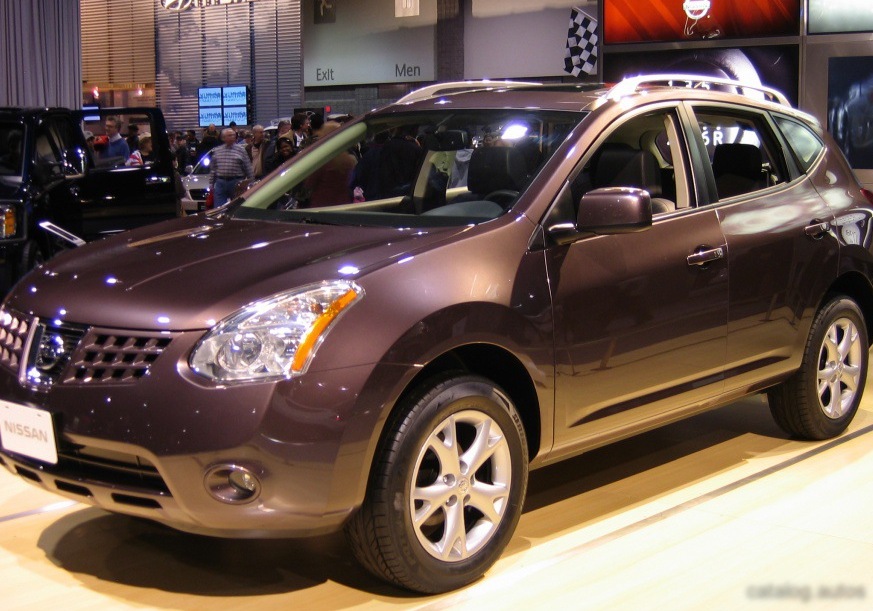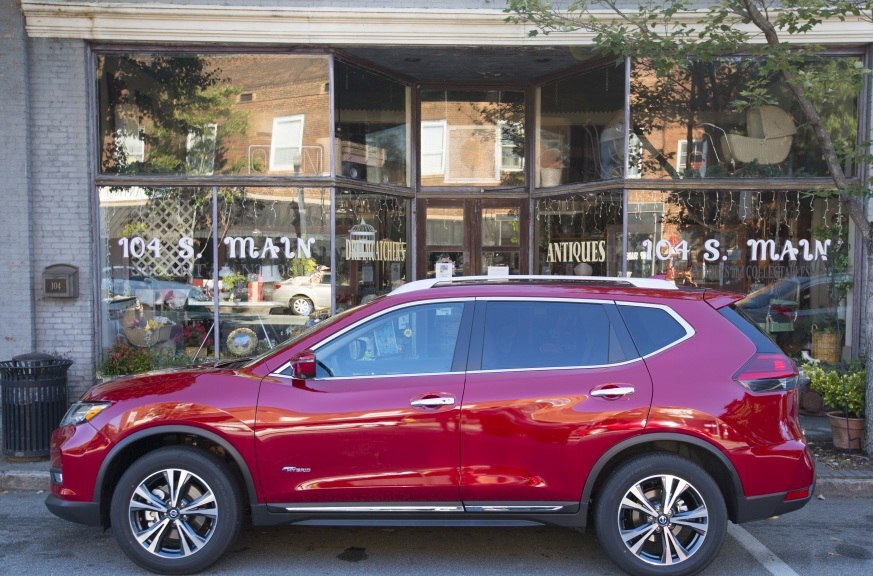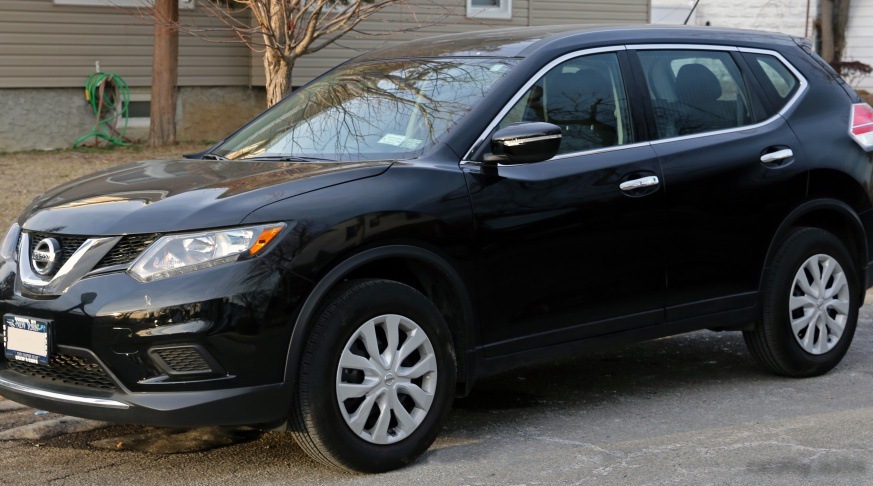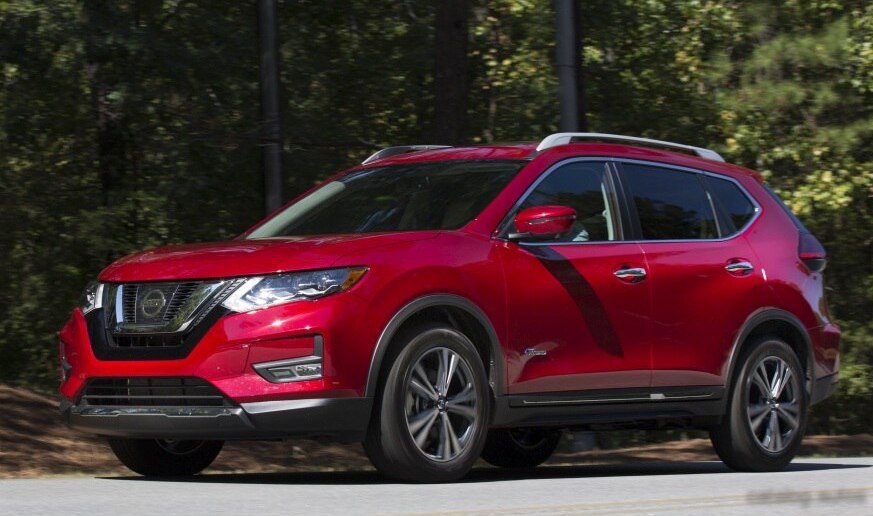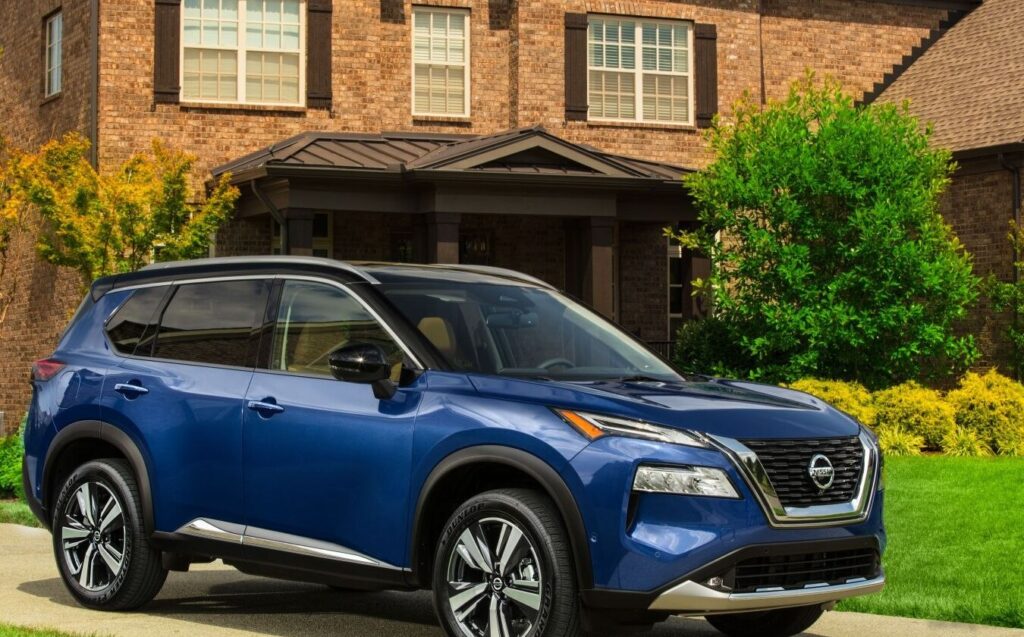
The Nissan Rogue III (T33) 1.5 VC-Turbo with the Xtronic CVT, produced from 2022 through October 2023, represents a significant evolution in Nissan’s compact crossover SUV lineup. This variant, positioned as a mid-range offering within the T33 generation, introduced Nissan’s innovative Variable Compression-Ratio (VC-Turbo) engine to the Rogue, aiming to deliver a balance of fuel efficiency and respectable performance. The T33 Rogue, built on the Renault-Nissan Alliance’s CMF-C platform, aimed to compete directly with popular crossovers like the Honda CR-V, Toyota RAV4, and Mazda CX-5.
Powertrain & Engine Architecture
At the heart of the Rogue 1.5 VC-Turbo lies the KR15DDT engine, a 1.5-liter inline-three cylinder gasoline engine. This engine is notable for its variable compression ratio technology, which allows the engine to adjust the compression ratio between 8:1 and 14:1 depending on driving conditions. This is achieved through a complex mechanism that alters the stroke length of the piston. Lower compression ratios are used during high-load situations to prevent knocking, while higher ratios are employed during cruising to maximize fuel efficiency. The engine utilizes direct fuel injection and is turbocharged with an integrated intercooler to boost power output. The valvetrain is a Dual Overhead Camshaft (DOHC) configuration with four valves per cylinder.
The engine produces 201 horsepower at 5600 rpm and 305 Nm (224.96 lb-ft) of torque between 2800-4000 rpm. The Xtronic CVT (Continuously Variable Transmission) is the sole transmission option for this variant. Unlike traditional stepped automatic transmissions, the CVT utilizes a belt and pulley system to provide a theoretically infinite number of gear ratios, optimizing engine speed for efficiency or power. The CVT is programmed with simulated shift points to provide a more familiar driving experience for drivers accustomed to conventional automatics.
Fuel Injection and Engine Management
The KR15DDT engine employs a sophisticated direct injection system, delivering fuel directly into the combustion chamber at high pressure. This allows for precise fuel control, improved combustion efficiency, and reduced emissions. The engine is managed by a modern Engine Control Unit (ECU) that monitors various sensors to optimize fuel delivery, ignition timing, and turbocharger boost based on driving conditions. The engine also features a Start & Stop System, which automatically shuts off the engine when the vehicle is stationary to further improve fuel economy.
Driving Characteristics
The 1.5 VC-Turbo engine, paired with the Xtronic CVT, delivers a smooth and refined driving experience. Acceleration is adequate for everyday driving situations, with the CVT effectively utilizing the engine’s torque to provide responsive performance. While not as overtly sporty as some competitors, the Rogue 1.5 VC-Turbo offers sufficient power for merging onto highways and passing other vehicles. The CVT’s seamless operation contributes to a quiet and comfortable cabin environment. Compared to potential higher-output engine options (had Nissan offered them in the US market for the T33), this variant prioritizes fuel economy and smoothness over outright performance. The CVT, while efficient, can sometimes exhibit a “rubber band” feel under hard acceleration, a common characteristic of this type of transmission. The weight of the vehicle (1568-1627 kg / 3456.85 – 3586.92 lbs) does impact overall responsiveness.
Equipment & Trim Levels
The Rogue 1.5 VC-Turbo was typically offered in several trim levels, including S, SV, and SL. The base S trim included standard features such as Nissan Safety Shield 360, an 8-inch touchscreen infotainment system with Apple CarPlay and Android Auto compatibility, and cloth upholstery. The SV trim added features like a larger 9-inch touchscreen, heated front seats, and a power liftgate. The top-tier SL trim included premium features such as leather upholstery, a panoramic sunroof, and a Bose audio system. Optional extras available across the trim levels included ProPILOT Assist, a semi-autonomous driving system, and Intelligent Around View Monitor, a 360-degree camera system. Interior color schemes typically included gray, black, and tan options.
Chassis & Braking
The Rogue T33 utilizes an independent coil spring suspension in the front, coupled with a transverse stabilizer bar to reduce body roll. The rear suspension is an independent multi-link setup, also with a transverse stabilizer bar. This suspension configuration provides a comfortable ride quality while maintaining reasonable handling characteristics. Front and rear brakes are ventilated discs, providing adequate stopping power for the vehicle’s weight. The steering system is an electric power steering rack and pinion, offering light and precise steering feel. Tire sizes varied depending on the trim level, ranging from 235/65 R17 to 235/55 R19. The Rogue does not feature particularly aggressive suspension tuning, prioritizing comfort over sporty handling.
Market Reception & Comparison
The Nissan Rogue 1.5 VC-Turbo received generally positive reviews from automotive critics. The VC-Turbo engine was praised for its innovative technology and fuel efficiency. However, some reviewers noted that the engine could feel somewhat underpowered, particularly when fully loaded or driving uphill. The Xtronic CVT was also a point of contention, with some drivers appreciating its smoothness and efficiency, while others found it lacking in responsiveness. Fuel economy figures, averaging 33.1 – 31.8 US mpg combined, were competitive within the compact crossover segment. Compared to other Rogue trims (had they been offered with different engines), the 1.5 VC-Turbo represented the sweet spot for many buyers, offering a good balance of fuel economy, performance, and features. Reliability reports have been mixed, with some owners reporting issues with the CVT and the VC-Turbo engine’s complex variable compression mechanism.
Technical Specifications
| Brand | Nissan |
| Model | Rogue |
| Generation | Rogue III (T33) |
| Engine Type | 1.5 VC-Turbo |
| Engine Code | KR15DDT |
| Engine Displacement | 1477 cm3 (90.13 cu. in.) |
| Number of Cylinders | 3 (Inline) |
| Power | 201 Hp @ 5600 rpm |
| Torque | 305 Nm @ 2800-4000 rpm (224.96 lb.-ft.) |
| Fuel Type | Petrol (Gasoline) |
| Transmission | Xtronic CVT |
| Drive Type | Front Wheel Drive |
| Kerb Weight | 1568-1627 kg (3456.85 – 3586.92 lbs.) |
| Fuel Tank Capacity | 55 l (14.53 US gal | 12.1 UK gal) |
| Length | 4648 mm (182.99 in.) |
| Width | 1839 mm (72.4 in.) |
| Height | 1689 mm (66.5 in.) |
| Wheelbase | 2705 mm (106.5 in.) |
| Fuel Consumption (Combined) | 7.1-7.4 l/100 km (33.1 – 31.8 US mpg) |
Legacy
The Nissan Rogue 1.5 VC-Turbo represents a bold step forward in engine technology, showcasing Nissan’s commitment to innovation. While the long-term reliability of the VC-Turbo engine remains a subject of ongoing evaluation, the powertrain has proven to be reasonably durable in many applications. On the used car market, the T33 Rogue 1.5 VC-Turbo holds its value relatively well, particularly models with lower mileage and well-maintained service records. Potential buyers should be aware of the potential for CVT issues and carefully inspect the vehicle’s maintenance history. The introduction of the VC-Turbo engine in the Rogue helped to establish Nissan as a leader in variable compression technology, paving the way for future advancements in engine design and fuel efficiency.