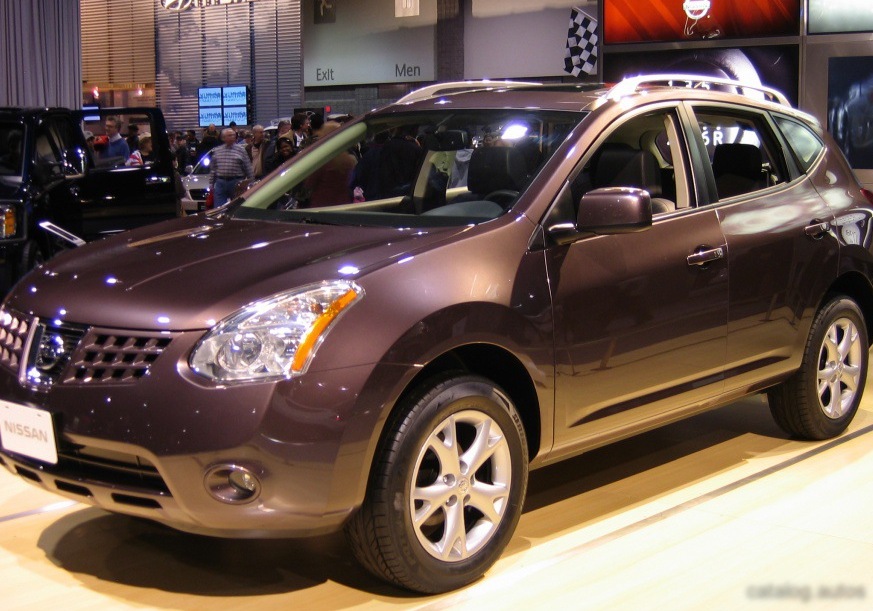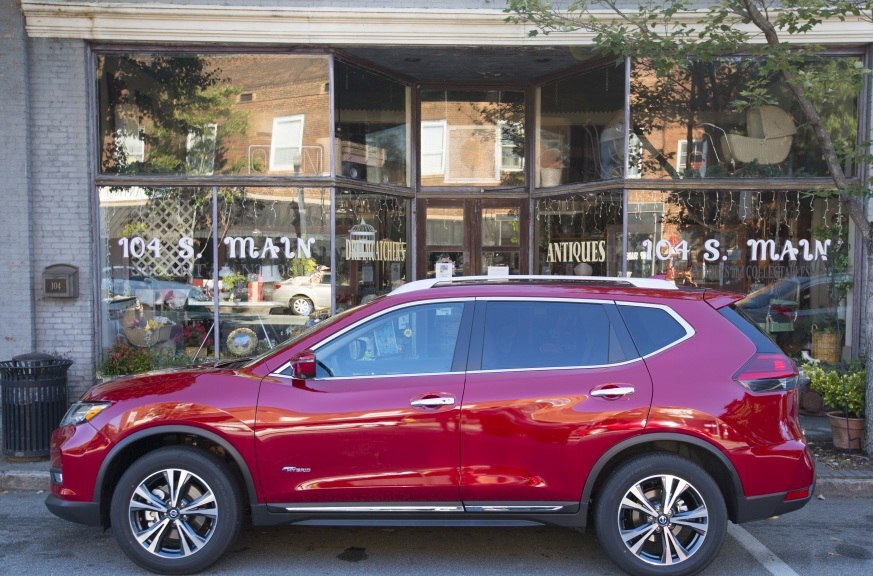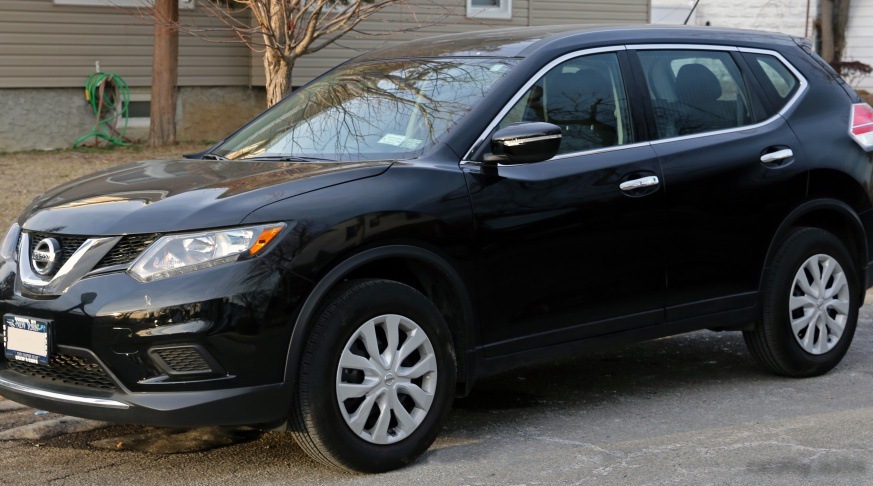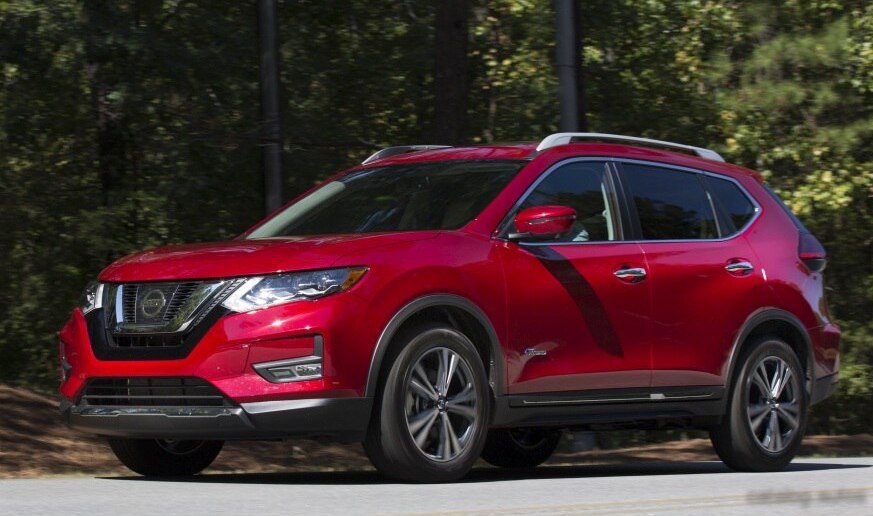
The Nissan Rogue Sport 2.0, equipped with a 141 horsepower engine and a continuously variable transmission (CVT), was a compact crossover SUV produced by Nissan from 2017 to 2020. Positioned as the entry-level trim within the Rogue Sport lineup in the North American market, it offered a more affordable and fuel-efficient option compared to the larger Rogue. This variant aimed to attract buyers seeking a small, practical SUV for urban commuting and light-duty family transportation. It was part of the broader Nissan Rogue Sport generation, internally designated as the P25 series, and shared its platform with the European Nissan Qashqai.
Powertrain & Engine Architecture
The heart of the Nissan Rogue Sport 2.0 is the MR20DD 2.0-liter inline-four cylinder gasoline engine. This engine is a member of Nissan’s MR series, known for its relatively simple design and focus on efficiency. It features a cast iron block and an aluminum cylinder head, incorporating dual overhead camshafts (DOHC) and four valves per cylinder. The MR20DD utilizes Nissan’s continuously variable valve timing control system (CVTCS) on both intake and exhaust valves, optimizing engine performance across a wider RPM range. A key feature of this engine is its direct fuel injection system, which improves combustion efficiency and reduces emissions. The engine produces 141 horsepower at 4400 rpm and 147.51 lb-ft of torque at 4400 rpm.
The engine is paired exclusively with Nissan’s Xtronic CVT (Continuously Variable Transmission). This transmission lacks traditional fixed gears, instead employing a belt-and-pulley system to provide a theoretically infinite number of gear ratios. The Xtronic CVT is designed to maximize fuel efficiency and provide smooth acceleration. It features a sub-planetary gearset for improved low-speed performance and a wider ratio spread. While offering smooth operation, the CVT is sometimes criticized for its “rubber band” feel during hard acceleration, where engine RPMs rise quickly without a corresponding increase in vehicle speed.
Engine Specifications
The MR20DD engine boasts a compression ratio of 11.2:1, contributing to its efficiency. The engine’s bore and stroke are 84 mm (3.31 in) and 90.1 mm (3.55 in) respectively, resulting in a displacement of 1997 cm³ (121.86 cu. in.). The engine requires 3.8 liters (4.02 US quarts) of engine oil, specified to Nissan’s proprietary standards, and 8.7 liters (9.19 US quarts) of coolant.
Driving Characteristics
The 141 hp and 147.51 lb-ft of torque delivered by the MR20DD/Xtronic CVT combination results in adequate, but not particularly sporty, performance. Acceleration from 0 to 60 mph typically takes around 9.5-10.5 seconds. The CVT prioritizes fuel economy over rapid acceleration, and the engine can feel strained when pushed hard, particularly when climbing hills or overtaking. The CVT’s programming is tuned for smooth, linear acceleration, which some drivers may find less engaging than a traditional automatic transmission. Compared to the larger engine options available in the standard Rogue, the Rogue Sport 2.0 offers a noticeably less powerful driving experience. However, it provides sufficient power for everyday driving tasks and urban environments.
The CVT’s gear ratios are continuously adjusted to keep the engine operating within its optimal power band. This results in relatively quiet operation at cruising speeds, but can lead to a droning sound during hard acceleration. The steering is light and precise, making the Rogue Sport easy to maneuver in tight spaces. The suspension is tuned for comfort, providing a reasonably smooth ride over most road surfaces.
Equipment & Trim Levels
The Rogue Sport 2.0 typically came standard with features such as air conditioning, power windows and locks, a rearview camera, Bluetooth connectivity, and a 5-inch color display screen. Higher trim levels, such as the SV and SL, added features like Apple CarPlay and Android Auto compatibility, a larger 7-inch touchscreen display, automatic climate control, heated front seats, and a panoramic sunroof. Interior upholstery was typically cloth on the base model, with leather options available on higher trims. Optional extras included a Bose audio system, navigation, and various driver-assistance technologies like blind-spot monitoring and rear cross-traffic alert.
Chassis & Braking
The Nissan Rogue Sport utilizes a front-wheel-drive layout as standard. The chassis features an independent coil spring suspension in the front and an independent multi-link suspension in the rear, providing a comfortable and controlled ride. The front brakes are ventilated discs, while the rear brakes are also ventilated discs. The Rogue Sport is equipped with an anti-lock braking system (ABS) as standard, enhancing braking performance and stability. The steering system is an electric power steering (EPS) rack and pinion system, providing light and responsive steering feel. Wheel sizes varied depending on the trim level, ranging from 16-inch to 19-inch alloy wheels, typically fitted with tires sizes 215/65 R16, 215/60 R17, or 225/45 R19.
Market Reception & Comparison
The Nissan Rogue Sport 2.0 was generally well-received by critics as an affordable and fuel-efficient option in the compact crossover segment. However, its relatively modest power output and the CVT’s driving characteristics were points of criticism. Compared to other trims in the Rogue Sport lineup, the 2.0-liter model offered the best fuel economy, achieving an EPA-estimated 28 mpg combined (8.4 l/100 km). Its fuel consumption figures were competitive with other small crossovers in its class. In terms of reliability, the MR20DD engine has a generally good reputation, although some owners have reported issues with the CVT, such as shuddering or premature failure. The Rogue Sport 2.0 was often compared to competitors like the Honda HR-V, Mazda CX-3, and Toyota C-HR.
Technical Specifications
| Engine Type | Inline-4, Gasoline |
| Engine Displacement | 1997 cc (121.86 cu in) |
| Horsepower | 141 hp @ 4400 rpm |
| Torque | 147.51 lb-ft @ 4400 rpm (200 Nm) |
| Compression Ratio | 11.2:1 |
| Fuel Injection | Direct Injection |
| Transmission | Xtronic CVT |
| Drivetrain | Front-Wheel Drive |
| Kerb Weight | 1466-1500 kg (3231.98 – 3306.93 lbs) |
| Fuel Economy (Combined) | 28 US mpg (8.4 l/100 km) |
| Fuel Tank Capacity | 55 liters (14.53 US gal) |
| Length | 4379 mm (172.4 in) |
| Width | 1836 mm (72.28 in) |
| Height | 1588-1610 mm (62.52 – 63.39 in) |
Legacy
The Nissan Rogue Sport 2.0, while not a performance standout, provided a practical and affordable entry point into the compact crossover market. The MR20DD engine, while not known for exceptional power, has proven to be relatively reliable in many applications. The Xtronic CVT, however, remains a potential point of concern for long-term ownership, with some units experiencing issues over time. On the used car market, the Rogue Sport 2.0 represents a value-oriented option for buyers seeking a small, fuel-efficient SUV. Its relatively low price and decent fuel economy make it an attractive choice for budget-conscious consumers. However, potential buyers should be aware of the potential for CVT issues and should consider a pre-purchase inspection by a qualified mechanic.