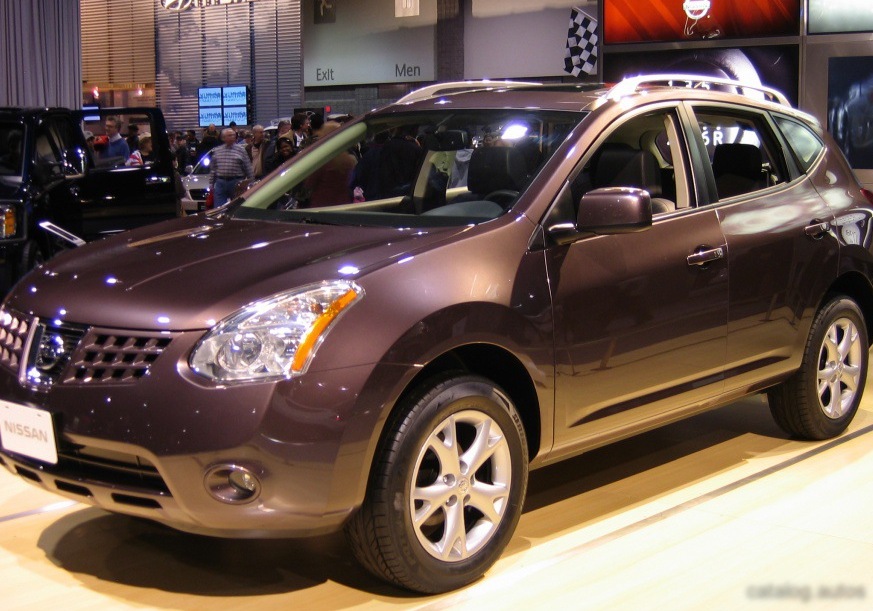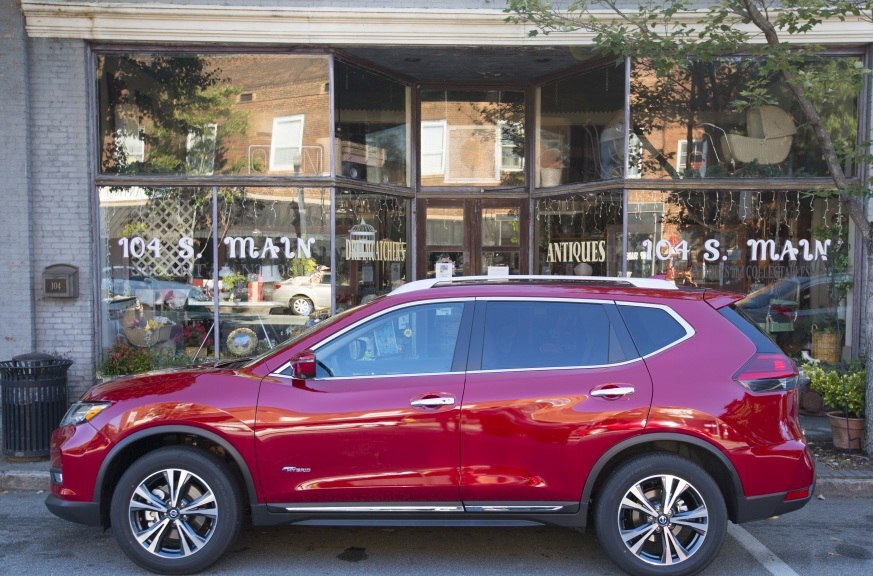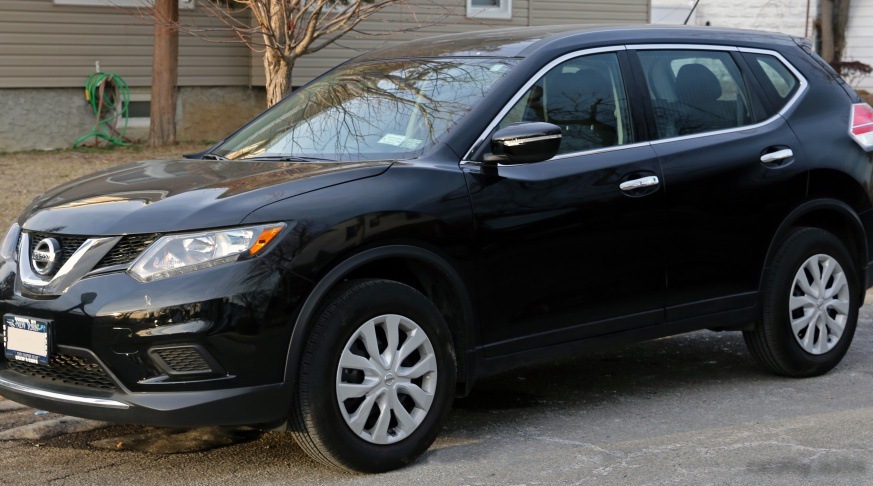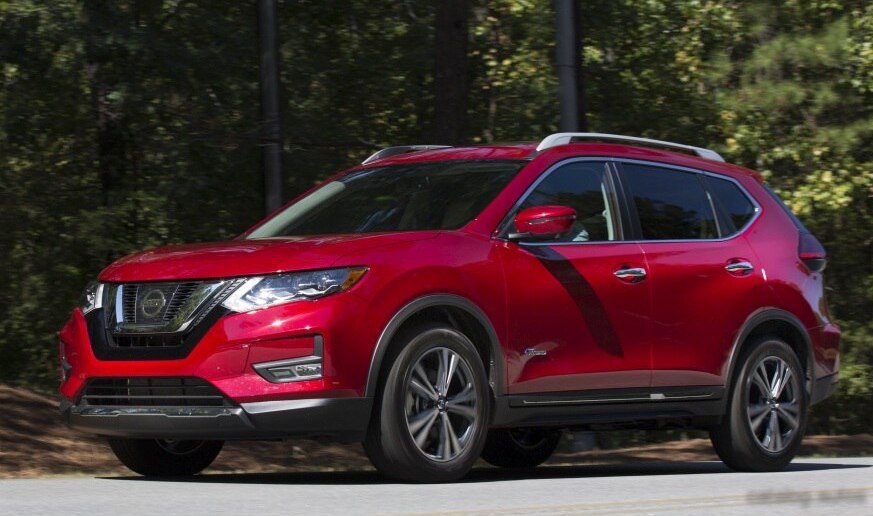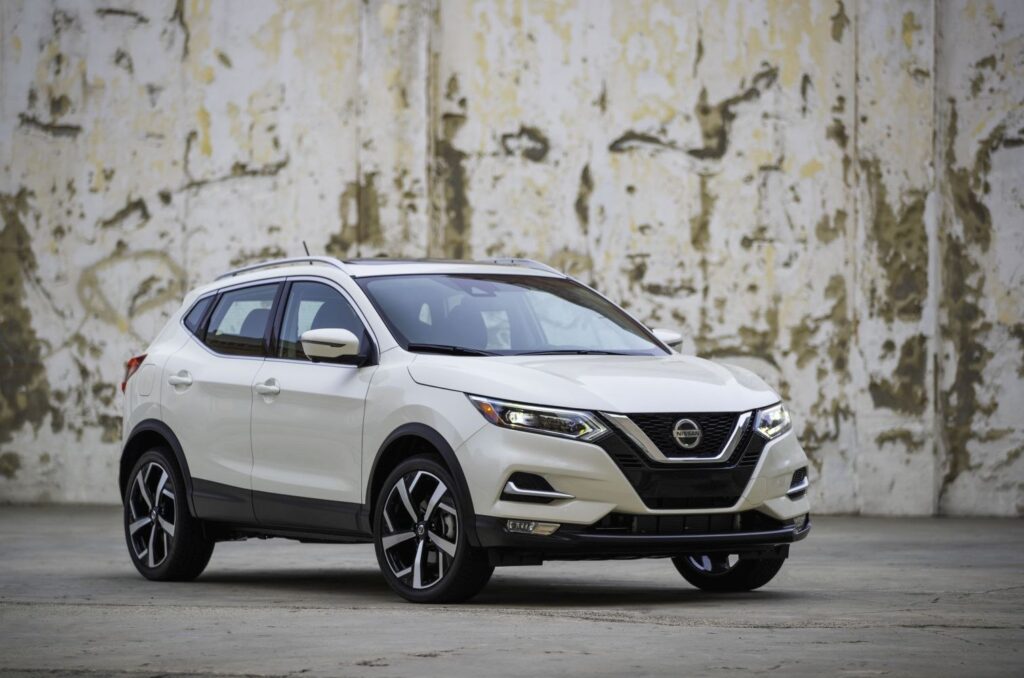
The Nissan Rogue Sport (known as the Nissan Qashqai in many markets outside of North America) received a significant facelift for the 2020 model year. This refresh included updated styling, enhanced technology, and continued availability with a 2.0-liter four-cylinder engine paired with a continuously variable transmission (CVT), marketed as the Xtronic transmission. This specific configuration – the 2.0-liter (141 hp) AWD Xtronic – represented a mid-range offering within the Rogue Sport lineup, positioned above the base S trim and below the higher-spec SL model. Production of this variant began with the 2020 model year and continued through subsequent years of the facelifted generation.
Powertrain & Engine Architecture
The heart of the 2020 Nissan Rogue Sport 2.0 AWD Xtronic is the MR20DD 2.0-liter inline four-cylinder gasoline engine. This engine utilizes direct fuel injection, a technology that improves fuel efficiency and power output by injecting fuel directly into the combustion chamber. The engine also features a Double Overhead Camshaft (DOHC) valvetrain with Continuously Variable Valve Timing Control System (CVTCS), optimizing valve timing for improved performance across the engine’s operating range. The MR20DD produces 141 horsepower at 6000 rpm and 199 Nm (146.77 lb-ft) of torque at 4400 rpm. The compression ratio is set at 11.2:1.
The engine is mated to Nissan’s Xtronic CVT (Continuously Variable Transmission). Unlike traditional automatic transmissions with fixed gear ratios, a CVT utilizes a belt and pulley system to provide a virtually infinite number of gear ratios within its operating range. This allows the engine to operate at its most efficient rpm for any given speed and load, contributing to improved fuel economy. The Xtronic transmission in the Rogue Sport is designed to simulate stepped gear changes for a more natural driving feel, though it lacks the distinct shifts of a conventional automatic. The drivetrain is an all-wheel drive (AWD) system, where the internal combustion engine primarily drives the front wheels, with the rear wheels engaged as needed through an electronically controlled clutch.
Fuel Injection and Valvetrain Details
The direct injection system employed in the MR20DD engine is a key component of its efficiency. Direct injection allows for more precise fuel metering and improved combustion efficiency, resulting in lower emissions and better fuel economy. The DOHC valvetrain, coupled with CVTCS, further enhances engine performance by optimizing airflow into and out of the cylinders. This system adjusts valve timing based on engine speed and load, maximizing power and torque throughout the rev range.
Driving Characteristics
The 2020 Nissan Rogue Sport 2.0 AWD Xtronic delivers adequate, though not particularly sporty, performance. The 141 horsepower engine provides sufficient power for everyday driving situations, including city commuting and highway merging. However, acceleration is not brisk, and the CVT can sometimes feel sluggish, particularly when demanding quick bursts of power. The Xtronic transmission prioritizes fuel efficiency over outright performance, resulting in a smooth but less engaging driving experience compared to models equipped with a manual transmission (which was not offered in the US market for this generation). The AWD system provides enhanced traction in inclement weather conditions, improving stability and control on slippery surfaces. The CVT’s gear ratios are tuned for fuel economy, meaning the engine often operates at lower RPMs during cruising, contributing to a quieter cabin experience.
Equipment & Trim Levels
The 2020 Nissan Rogue Sport 2.0 AWD Xtronic typically came standard with features such as automatic headlights, a rearview camera, Bluetooth connectivity, a 7-inch touchscreen infotainment system, Apple CarPlay and Android Auto compatibility, and Nissan Safety Shield 360, a suite of advanced driver-assistance features including automatic emergency braking, lane departure warning, and blind-spot monitoring. Interior upholstery was typically cloth, with available upgrades to leather in higher trim levels. Optional extras included a larger touchscreen display, a premium audio system, heated front seats, and a panoramic sunroof. The Rogue Sport aimed to provide a comfortable and well-equipped interior, focusing on practicality and convenience.
Chassis & Braking
The Rogue Sport utilizes an independent coil spring suspension in the front, coupled with an independent multi-link spring suspension in the rear. Both ends of the suspension incorporate a transverse stabilizer bar to reduce body roll during cornering. The front brakes are ventilated discs measuring 295.91×25.91 mm, while the rear brakes are also ventilated discs, measuring 292.1×16 mm. The braking system is assisted by an Anti-lock Braking System (ABS) to prevent wheel lockup during hard braking. The electric power steering provides light and responsive steering feel, making it easy to maneuver in tight spaces. Ride height (ground clearance) is 188 mm (7.4 inches).
Market Reception & Comparison
Critics generally viewed the 2020 Nissan Rogue Sport 2.0 AWD Xtronic as a practical and fuel-efficient subcompact SUV. However, the engine’s performance was often cited as a weakness, with reviewers noting its lack of power and the sometimes-sluggish response of the CVT. Compared to other trims in the Rogue Sport lineup, the 2.0-liter engine offered a balance between fuel economy and performance, making it a popular choice for buyers prioritizing practicality over outright speed. Fuel economy figures were rated at 8.7 l/100 km (27 US mpg combined), which was competitive within its segment. Reliability reports were generally positive, with the MR20DD engine proving to be a durable and dependable powerplant.
Technical Specifications
| Engine Model/Code | MR20DD |
| Engine Displacement | 1997 cm3 (121.86 cu. in.) |
| Number of Cylinders | 4, Inline |
| Cylinder Bore | 84 mm (3.31 in.) |
| Piston Stroke | 90.1 mm (3.55 in.) |
| Compression Ratio | 11.2:1 |
| Maximum Power | 141 Hp @ 6000 rpm |
| Maximum Torque | 199 Nm (146.77 lb.-ft.) @ 4400 rpm |
| Fuel Injection System | Direct Injection |
| Valvetrain | DOHC, CVTCS |
| Transmission | Xtronic CVT (Continuously Variable Transmission) |
| Drivetrain | All Wheel Drive (AWD) |
| Kerb Weight | 1572-1582 kg (3465.67 – 3487.71 lbs.) |
| Fuel Tank Capacity | 55 l (14.53 US gal | 12.1 UK gal) |
| Fuel Consumption (Combined) | 8.7 l/100 km (27 US mpg, 32.5 UK mpg) |
Legacy
The 2020 Nissan Rogue Sport 2.0 AWD Xtronic, and the MR20DD engine it utilizes, has proven to be a relatively reliable powertrain. While the CVT is a component that requires regular maintenance (fluid changes are crucial), it generally holds up well over time. On the used car market, these models represent a good value proposition for buyers seeking a fuel-efficient and practical subcompact SUV. The MR20DD engine is known for its durability, and parts availability is generally good. However, potential buyers should be aware of the importance of maintaining the CVT according to Nissan’s recommended service intervals to ensure long-term reliability.