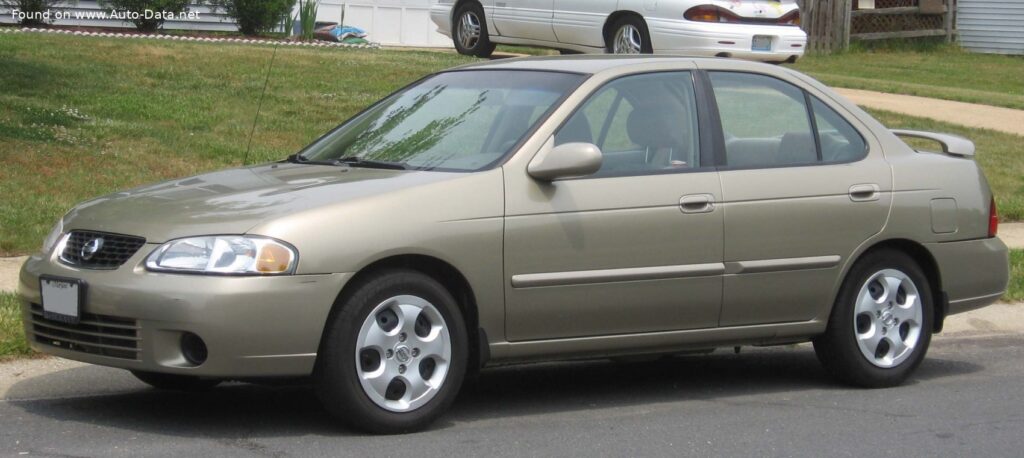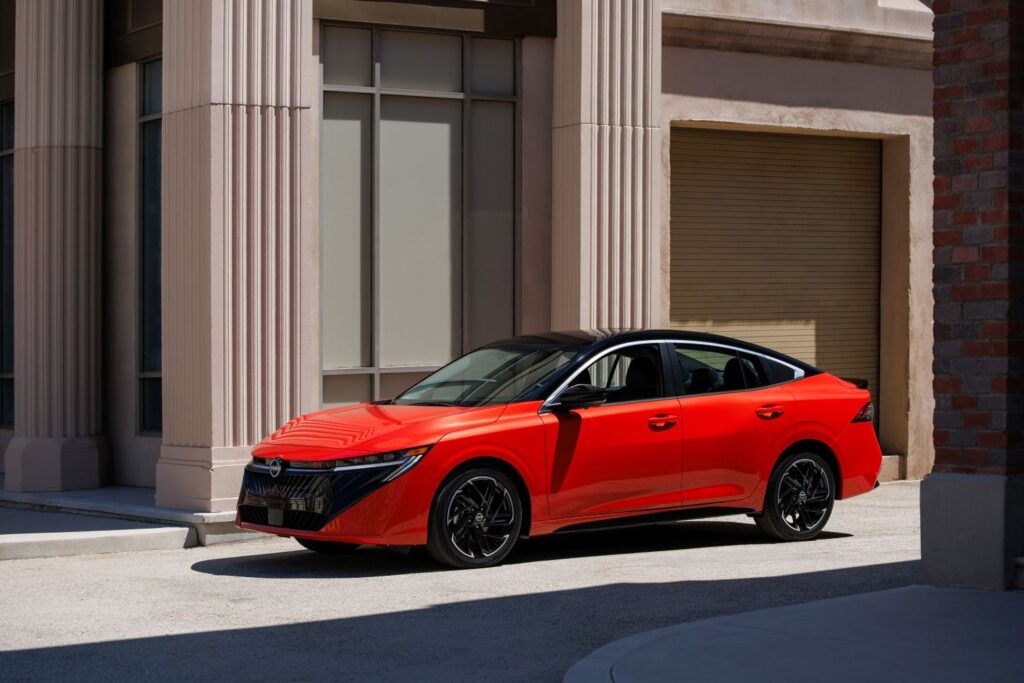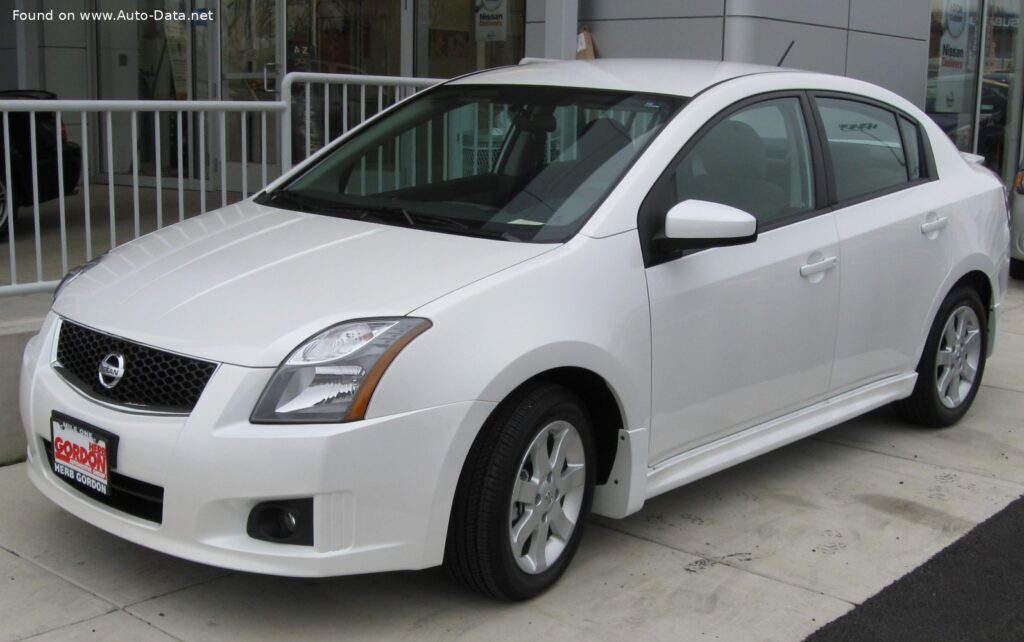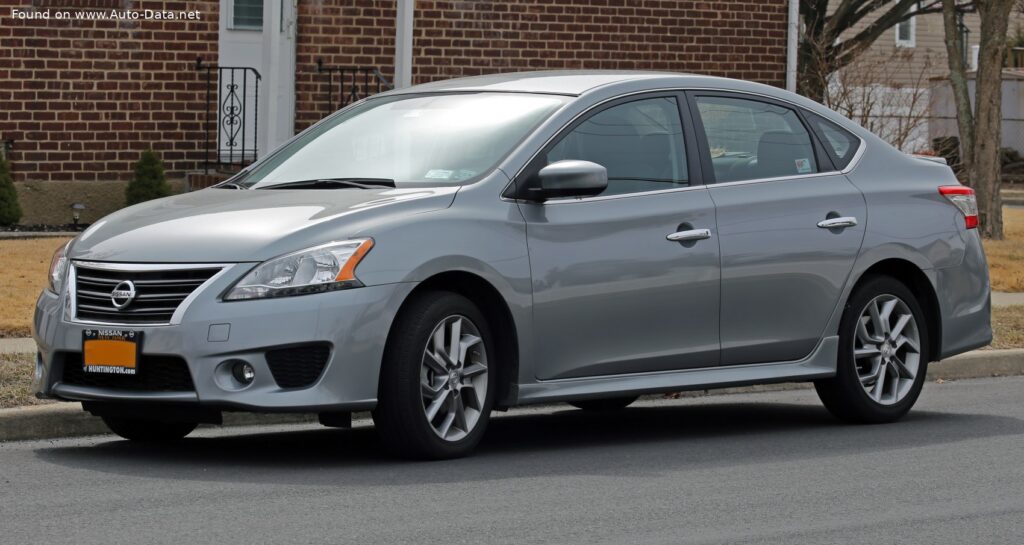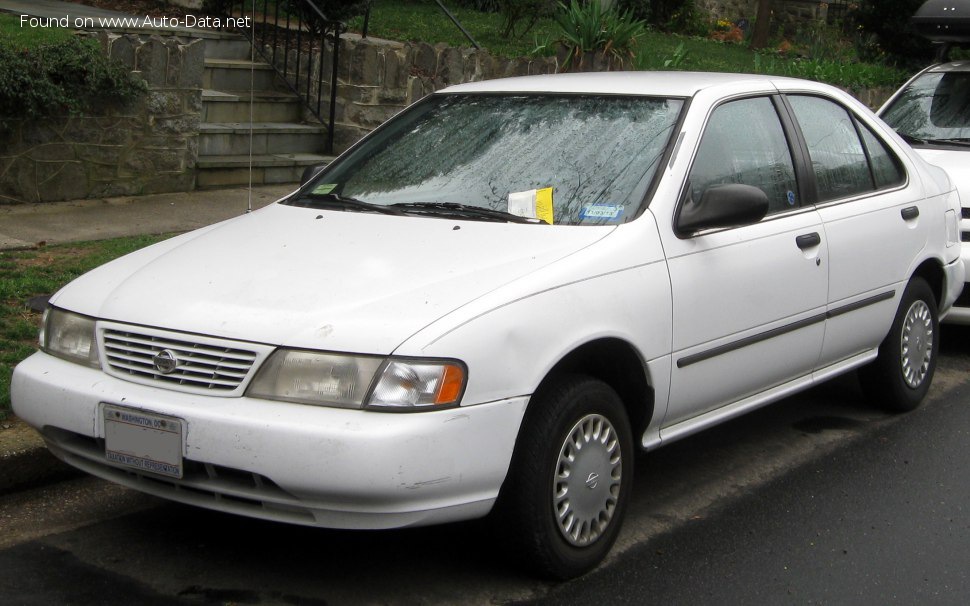
The Nissan Sentra B14, produced between 1994 and 1999, represented a significant step forward for Nissan’s compact sedan offering. Within the B14 generation, the 1.4-liter (86 hp) variant occupied the entry-level position in many markets, particularly outside of North America. This model aimed to provide affordable and reliable transportation, prioritizing fuel efficiency over outright performance. It served as the gateway to the Sentra lineup, appealing to budget-conscious buyers and those seeking a simple, dependable vehicle for daily commuting. The B14 chassis, also known as the 1HX0 platform, was a key component of Nissan’s product strategy during this period, offering a modern and relatively spacious interior for its class.
The 1.4L GA14 Engine and its Role in the B14 Sentra
The heart of the 1.4L Sentra was the GA14 engine, a 1392cc inline-four cylinder powerplant. This engine, producing 86 horsepower at 6000 rpm and 114 Nm (84.08 lb-ft) of torque at 4000 rpm, was designed for economy and durability. While not a performance-oriented engine, it provided adequate power for typical urban and highway driving conditions. The GA14 featured a single overhead camshaft (SOHC) design, although some later iterations incorporated a dual overhead camshaft (DOHC) configuration. Fuel delivery was managed by a carburetor in earlier models, transitioning to multi-point fuel injection in later years, improving efficiency and reducing emissions. The engine’s 9.5:1 compression ratio was a compromise between power output and fuel consumption. The GA14 was known for its relative simplicity, making it easier and less expensive to maintain compared to more complex engine designs.
Powertrain & Transmission Options
The 1.4L Sentra was primarily offered with a five-speed manual transmission. However, a three-speed or four-speed automatic transmission was also available, catering to drivers who preferred the convenience of automatic operation. The automatic transmission, while providing ease of use, did noticeably impact acceleration and fuel economy compared to the manual version. The gear ratios in the automatic were optimized for fuel efficiency rather than spirited driving. The front-wheel-drive configuration was standard across all B14 Sentra models, contributing to its predictable handling and relatively low weight.
Driving Characteristics of the 1.4L Automatic Sentra
The 1.4L automatic Sentra delivered a comfortable, albeit uninspiring, driving experience. Acceleration from 0 to 60 mph took approximately 12.3 seconds, and 0-100 km/h in 12.9 seconds, making it slower than higher-trim Sentra models equipped with larger engines. The automatic transmission’s shift points were designed to prioritize fuel economy, resulting in a somewhat sluggish response during overtaking maneuvers. However, for everyday commuting and city driving, the engine provided sufficient power. The steering was light and easy to use, making it maneuverable in tight spaces. The suspension, tuned for comfort, absorbed bumps and road imperfections reasonably well, although it wasn’t particularly sporty. Compared to the more powerful 1.6L or 1.8L Sentra variants, the 1.4L automatic felt noticeably less responsive and lacked the same level of refinement.
Equipment & Trim Levels
The 1.4L Sentra typically came with a basic level of standard equipment. This generally included features such as manual windows and door locks, a basic AM/FM radio, and cloth upholstery. Air conditioning was often an optional extra. Interior trim was functional and durable, prioritizing practicality over luxury. Higher trim levels, available with the larger engines, offered features like power windows and locks, upgraded audio systems, and more comfortable seating. The 1.4L model was often seen as a “base” model, intended to be an affordable entry point into the Sentra range. Optional extras could include a sunroof, alloy wheels, and upgraded interior trim packages.
Chassis & Braking System
The B14 Sentra utilized a front suspension system consisting of MacPherson struts, while the rear suspension employed a double wishbone setup. This configuration provided a good balance between ride comfort and handling. The braking system featured ventilated discs on the front wheels and drum brakes on the rear. Anti-lock Braking System (ABS) was available as an option, enhancing safety by preventing wheel lockup during hard braking. The tires were typically 155/80 R13 size, prioritizing fuel efficiency and ride comfort over grip. The chassis was relatively lightweight, contributing to the car’s overall fuel efficiency and maneuverability.
Market Reception & Comparison
The 1.4L Sentra was generally well-received as an affordable and reliable compact sedan. Critics praised its fuel economy and practicality, but noted its lack of performance. Compared to other vehicles in its class, such as the Honda Civic and Toyota Corolla, the Sentra offered a competitive price point and a spacious interior. However, it often lagged behind in terms of refinement and driving dynamics. Within the Sentra lineup, the 1.4L model was positioned as the entry-level option, appealing to buyers who prioritized affordability and fuel efficiency over performance and features. The larger engine options, such as the 1.6L and 1.8L, offered a more engaging driving experience and a higher level of equipment, but came at a higher price.
Technical Specifications
| Engine Model/Code | GA14 |
| Engine Displacement | 1392 cm3 (84.95 cu. in.) |
| Number of Cylinders | 4, Inline |
| Cylinder Bore | 73.6 mm (2.9 in.) |
| Piston Stroke | 81.8 mm (3.22 in.) |
| Compression Ratio | 9.5:1 |
| Number of Valves per Cylinder | 4 |
| Fuel Injection System | Carburetor (early models) / Multi-point Fuel Injection (later models) |
| Engine Aspiration | Naturally Aspirated |
| Maximum Power | 86 Hp @ 6000 rpm |
| Maximum Torque | 114 Nm (84.08 lb.-ft.) @ 4000 rpm |
| Fuel Consumption (Combined) | 8.5 l/100 km (27.7 US mpg, 33.2 UK mpg, 11.8 km/l) |
| Acceleration 0-100 km/h | 12.9 sec |
| Acceleration 0-60 mph | 12.3 sec |
| Maximum Speed | 176 km/h (109.36 mph) |
| Kerb Weight | 960 kg (2116.44 lbs.) |
| Fuel Tank Capacity | 50 l (13.21 US gal, 11 UK gal) |
| Length | 4230 mm (166.54 in.) |
| Width | 1670 mm (65.75 in.) |
| Height | 1395 mm (54.92 in.) |
| Wheelbase | 2430 mm (95.67 in.) |
| Transmission | 5-speed manual or 3/4-speed automatic |
Legacy
The GA14 engine, while not known for its high performance, proved to be a reliable and durable powerplant. Many 1.4L Sentra B14s remain on the road today, a testament to their build quality and relatively simple design. The automatic transmission, while less efficient than the manual, also proved to be reasonably reliable with proper maintenance. In the used car market, the 1.4L Sentra B14 is often sought after by buyers looking for an affordable and dependable vehicle for basic transportation. While it may not offer the same level of refinement or performance as more modern vehicles, its simplicity and low running costs make it an attractive option for budget-conscious buyers. The B14 Sentra, and particularly the 1.4L variant, holds a place in automotive history as a practical and accessible compact sedan that provided reliable transportation for a generation of drivers.