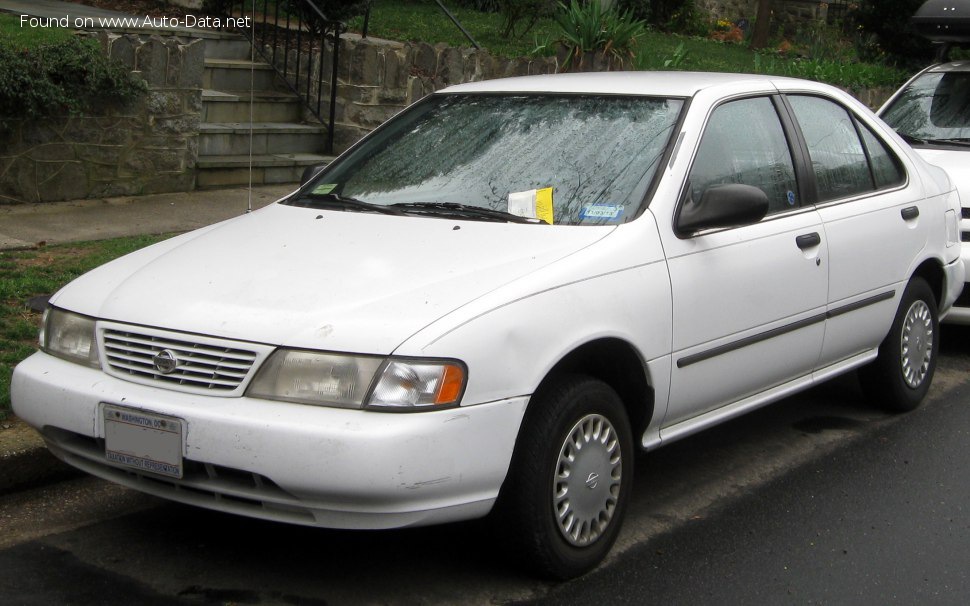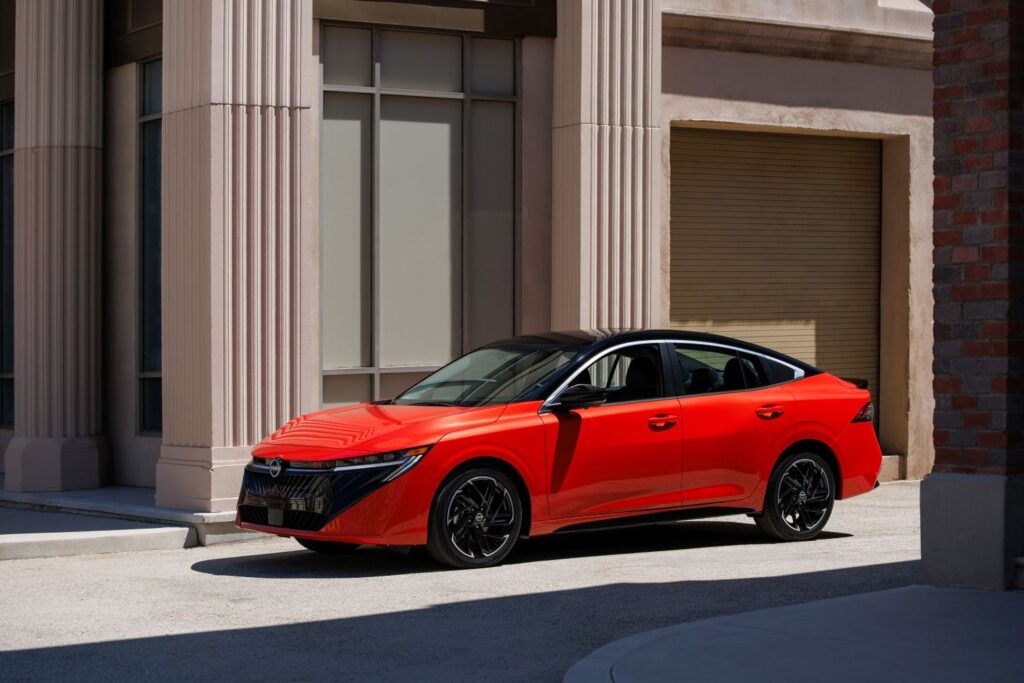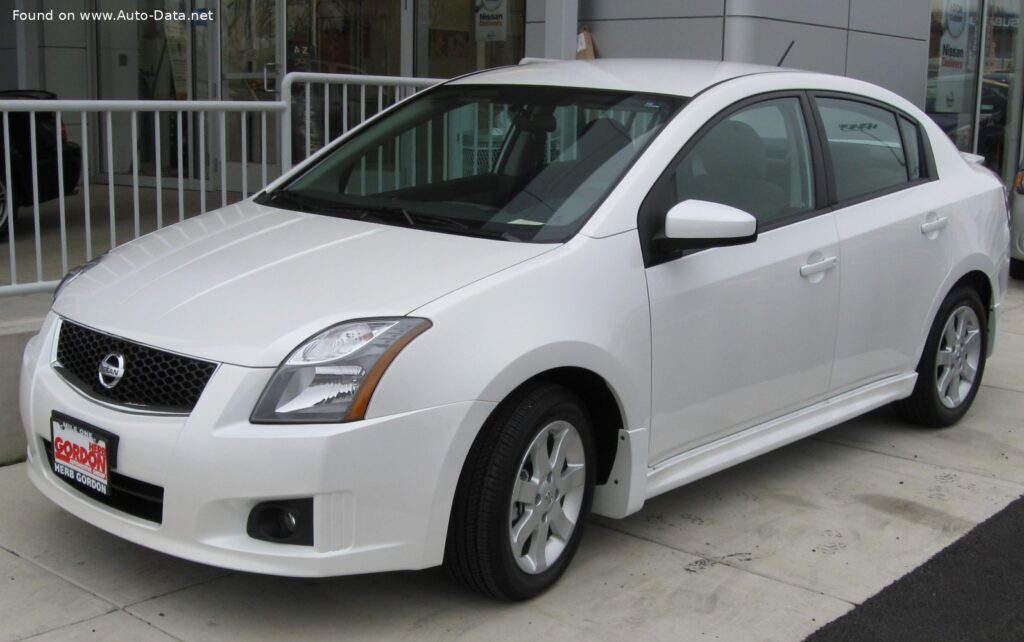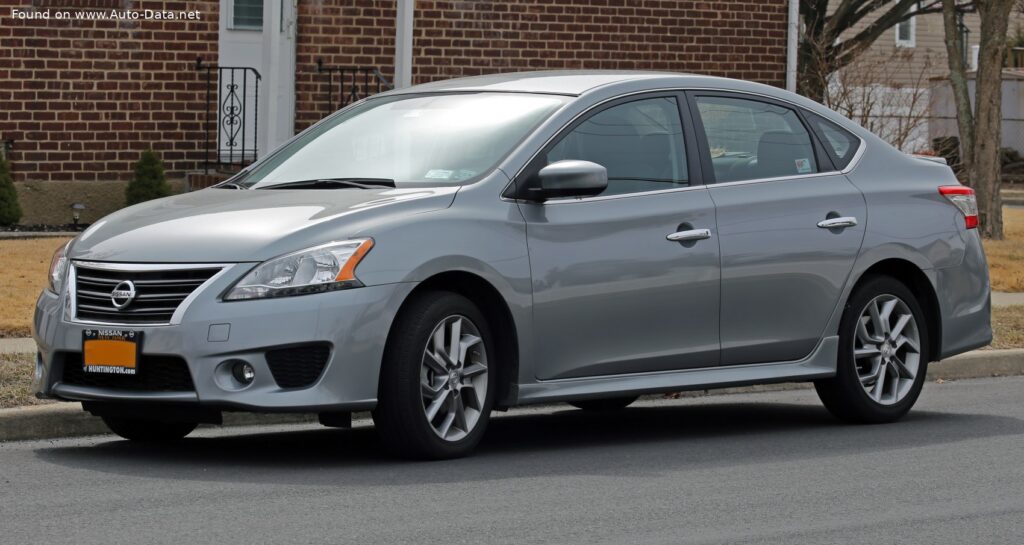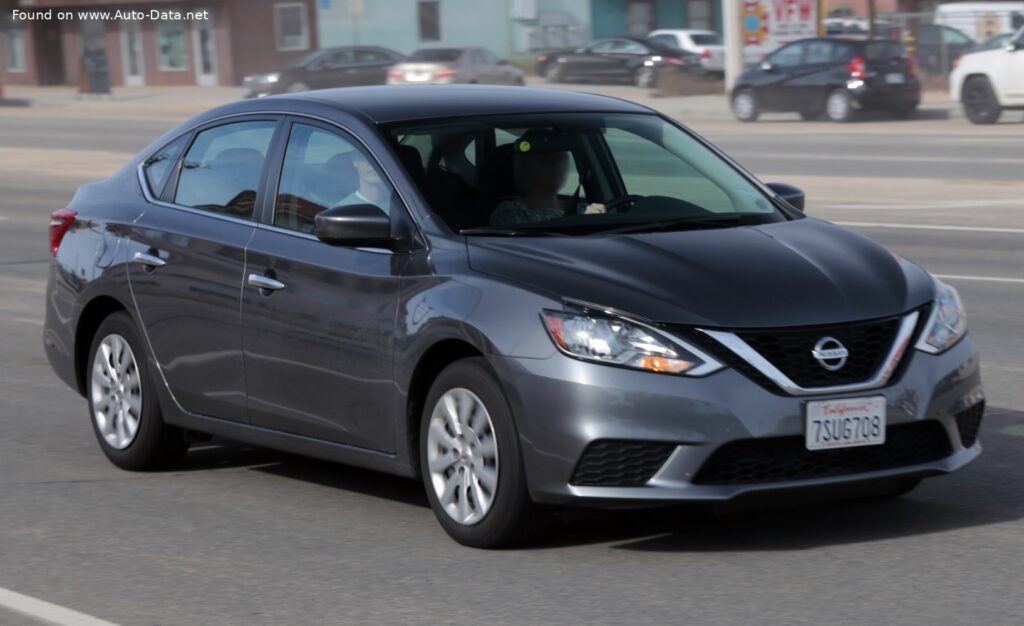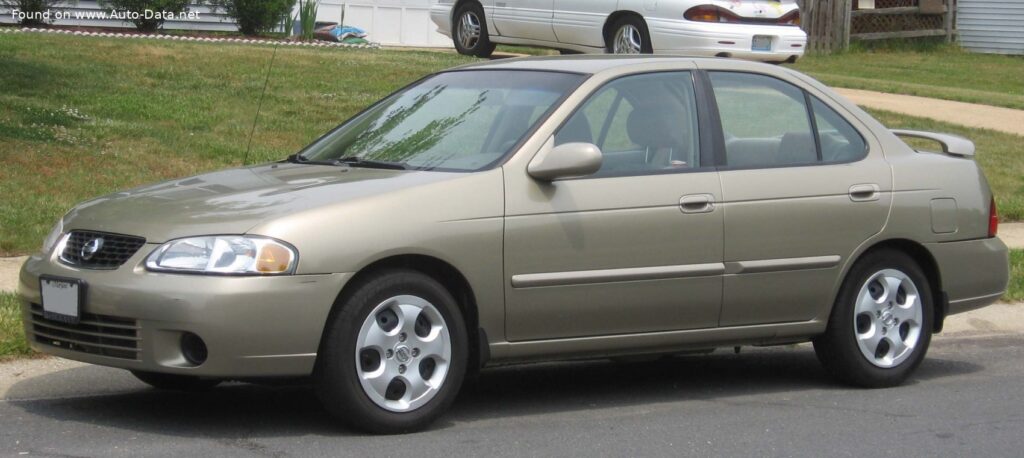
The Nissan Sentra B15, produced from 2000 to 2006, represented a significant step forward for Nissan’s compact sedan offering. Within the B15 generation, the 1.8 i 16V XE (127 Hp) variant occupied the position of a well-rounded, mainstream trim level. It aimed to balance affordability with a reasonable level of equipment and performance, making it a popular choice for families and commuters. This model was a key component of Nissan’s strategy to compete in the highly contested compact car segment against rivals like the Honda Civic and Toyota Corolla.
The 1.8L QG18DE Engine and Powertrain
At the heart of the 1.8 i 16V XE was the QG18DE engine, a 1.8-liter inline-four cylinder gasoline engine. This engine was part of Nissan’s QG engine family, known for its relatively simple design and focus on reliability. The QG18DE featured a cast iron block and an aluminum cylinder head, contributing to a reasonable weight for its size. It utilized a multi-port fuel injection system, delivering fuel directly into the intake ports, and a dual overhead camshaft (DOHC) valvetrain with four valves per cylinder (16V) to optimize breathing and power output. The engine produced 127 horsepower at 6000 rpm and 175 Nm (129.07 lb-ft) of torque at 2400 rpm.
While a five-speed manual transmission was available on some Sentra B15 models, the 1.8 i 16V XE was most commonly paired with a four-speed automatic transmission. This automatic was a conventional hydraulic control unit, offering smooth, if not particularly sporty, shifts. The gear ratios were tuned for fuel efficiency and comfortable cruising rather than aggressive acceleration. First gear was relatively short for quick take-offs, while the higher gears were spaced to keep engine speeds low during highway driving.
Engine Code Specifics and Maintenance
The QG18DE engine is identified by its engine code, which is crucial for sourcing correct parts and service information. Common issues with the QG18DE, though generally reliable, included potential for oil consumption as the engine aged, often due to worn piston rings or valve stem seals. Regular oil changes with the correct specification (consult the owner’s manual) were vital for longevity. The timing chain, while designed to last the life of the engine, could occasionally require inspection or replacement at higher mileages. The four-speed automatic transmission, while generally durable, benefited from regular fluid changes to prevent internal wear and maintain smooth operation.
Driving Characteristics
The driving experience in the 1.8L Sentra B15 was characterized by comfort and ease of use. The 127 hp engine provided adequate power for everyday driving situations, such as commuting and merging onto highways. However, it wasn’t a particularly quick car, and acceleration was noticeably slower compared to models equipped with the larger 2.0L engine or manual transmission. The automatic transmission contributed to this, prioritizing smooth shifts over rapid acceleration. The power delivery was linear, with the peak torque available at a relatively low 2400 rpm, making it feel responsive around town. On the highway, the engine felt somewhat strained when attempting to overtake or climb hills.
Compared to the manual transmission versions, the automatic offered a more relaxed driving experience, particularly in stop-and-go traffic. However, the manual provided better control and allowed the driver to exploit the engine’s power more effectively. The 1.8L automatic was a clear step down in performance from the higher-spec 2.0L models, which offered significantly more horsepower and torque.
Equipment & Trim Levels
The 1.8 i 16V XE trim level offered a good balance of features for its price point. Standard equipment typically included air conditioning, power windows and locks, a basic audio system (often a CD player with AM/FM radio), and cloth upholstery. Safety features such as dual front airbags were also standard. The interior was functional and reasonably well-built, though the materials were not particularly luxurious. The dashboard layout was straightforward and easy to use.
Optional extras available for the 1.8 i 16V XE included alloy wheels, a sunroof, upgraded audio systems, and cruise control. Some models also offered a factory-installed security system. The XE trim was positioned above the base model and below the more fully equipped SE trim, which typically featured sportier styling cues and additional features.
Chassis & Braking
The Nissan Sentra B15 utilized a front-wheel-drive layout with independent coil spring suspension in the front and a twist-beam rear suspension. This suspension setup provided a comfortable ride quality, absorbing bumps and imperfections in the road effectively. The front suspension geometry was tuned for stability and predictable handling. The rear twist-beam suspension was a cost-effective solution that offered adequate performance for everyday driving.
Braking duties were handled by ventilated disc brakes in the front and solid disc brakes in the rear. Anti-lock Braking System (ABS) was standard, enhancing braking performance and stability, particularly in slippery conditions. The steering was rack-and-pinion with hydraulic power assistance, providing light and easy steering feel. The standard tire size was 185/65 R14, offering a good balance of ride comfort and handling.
Market Reception & Comparison
The 1.8L Sentra B15 with the automatic transmission received generally positive reviews from automotive critics. It was praised for its comfortable ride, spacious interior, and good fuel economy. However, it was also criticized for its lack of power and somewhat uninspired driving dynamics. Compared to other trims in the Sentra lineup, the 1.8L automatic offered the best value for budget-conscious buyers. It provided a practical and reliable transportation solution without the added cost of the more powerful engines or premium features.
Fuel economy was a strong point for the 1.8L Sentra, achieving approximately 8.7 l/100 km (27 US mpg) in urban driving and 6.7 l/100 km (35.1 US mpg) on the highway. Reliability was also a key strength, with the QG18DE engine proving to be durable and long-lasting when properly maintained.
Technical Specifications
| Brand | Nissan |
| Model | Sentra |
| Generation | Sentra (B15) |
| Type | 1.8 i 16V XE (127 Hp) |
| Start of production | 2000 |
| End of production | 2006 |
| Engine | QG18DE |
| Engine Displacement | 1769 cm3 (107.95 cu. in.) |
| Number of Cylinders | 4 |
| Power | 127 Hp @ 6000 rpm |
| Torque | 175 Nm (129.07 lb.-ft.) @ 2400 rpm |
| Fuel Type | Petrol (Gasoline) |
| Transmission | 4-speed Automatic |
| Kerb Weight | 1165 kg (2568.39 lbs.) |
| Fuel Consumption (Urban) | 8.7 l/100 km (27 US mpg) |
| Fuel Consumption (Extra Urban) | 6.7 l/100 km (35.1 US mpg) |
| Fuel Tank Capacity | 50 l (13.21 US gal) |
| Trunk Space | 329 l (11.62 cu. ft.) |
| Maximum Speed | 175 km/h (108.74 mph) |
Legacy
The Nissan Sentra B15 1.8 i 16V XE remains a relatively common sight on used car lots today. The QG18DE engine and four-speed automatic transmission have proven to be reasonably reliable, and parts availability is generally good. While not a performance standout, this variant offers a practical and affordable transportation option for those seeking a dependable compact sedan. Its reputation for reliability and fuel efficiency continues to make it a popular choice among budget-conscious buyers. However, potential buyers should be aware of the possibility of oil consumption issues and ensure that the vehicle has been properly maintained throughout its life.